
Situated in the heart of South Korea, Jeonju is a picturesque city known for its traditional architecture, rich cultural heritage, and distinctive cuisine. It is a popular destination for both international visitors and Koreans. The city is home to more than 700 preserved hanok, or traditional Korean houses, characterised by their curved tiled roofs, which contrast with the modern urban landscape. Jeonju is also widely regarded as South Korea’s culinary capital, famous for its authentic bibimbap and diverse street food. For a more immersive cultural experience, visitors can stay overnight in a traditional wooden house. Jeonju Hanok Village allows visitors to step away from their busy routines and explore the historic sites scattered throughout South Korea’s largest traditional housing complex. Here are some of the best things to do in Jeonju.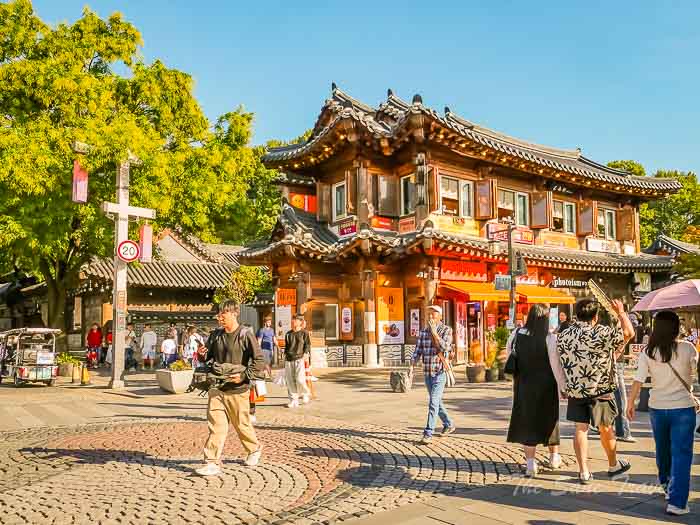
Hanok Village
Jeonju Hanok Village is a popular destination for Korean and international tourists, offering visitors an insight into traditional Korean culture. It contains approximately 700 hanok buildings, making it Korea’s largest traditional hanok village and the country’s only urban hanok village. The village was established in the early 20th century and continued to develop in later decades. 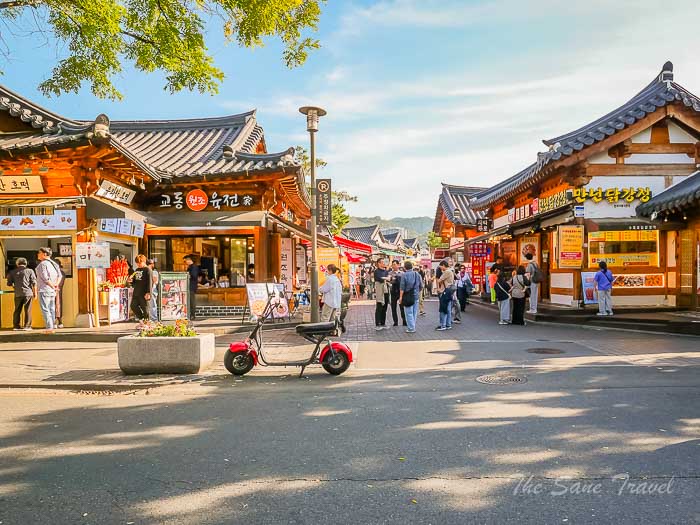
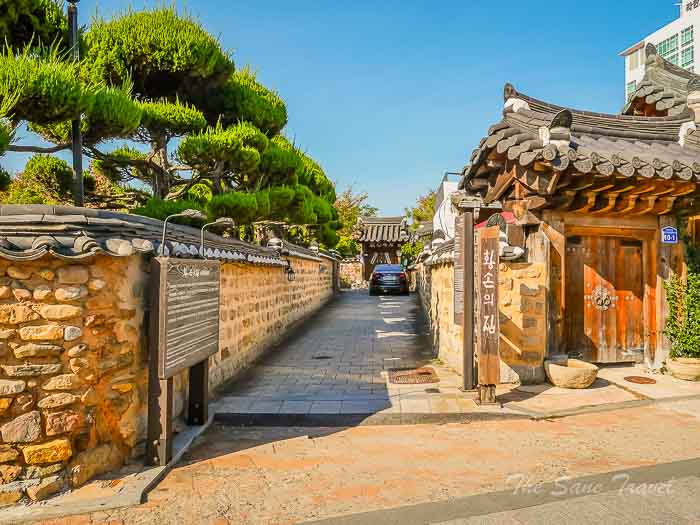
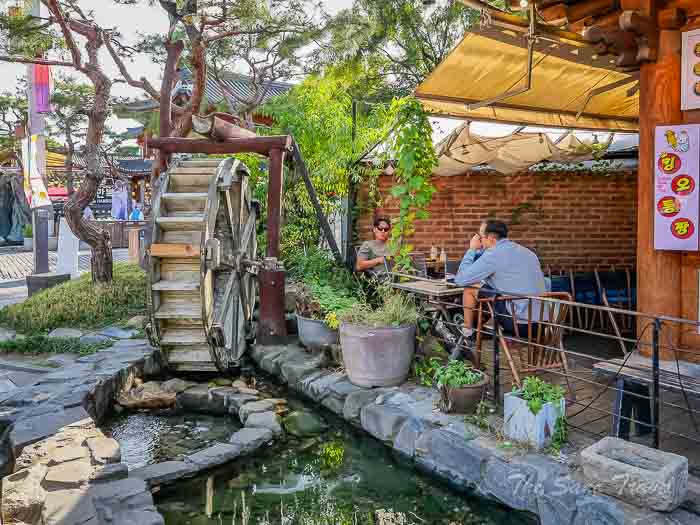 Visitors can experience traditional hanok culture by staying in a hanok accommodation or visiting the Hanok Life Experience Hall.
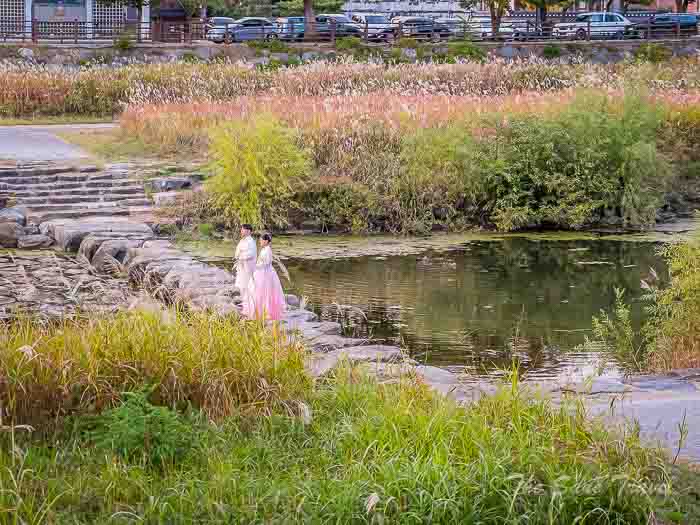
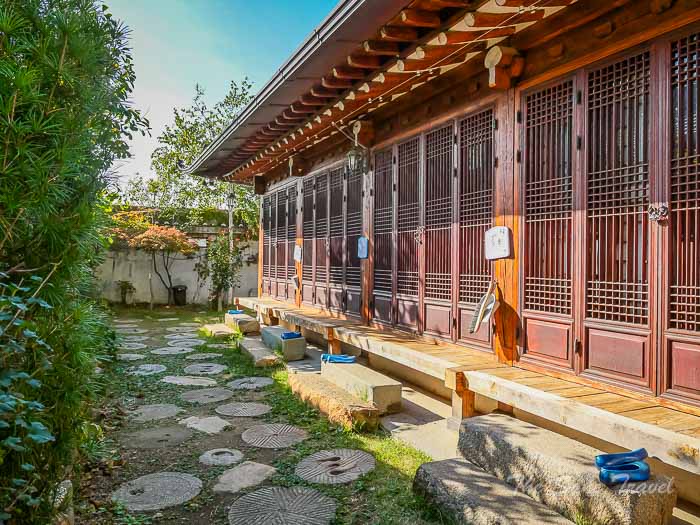 Renting a hanbok is also a popular option.
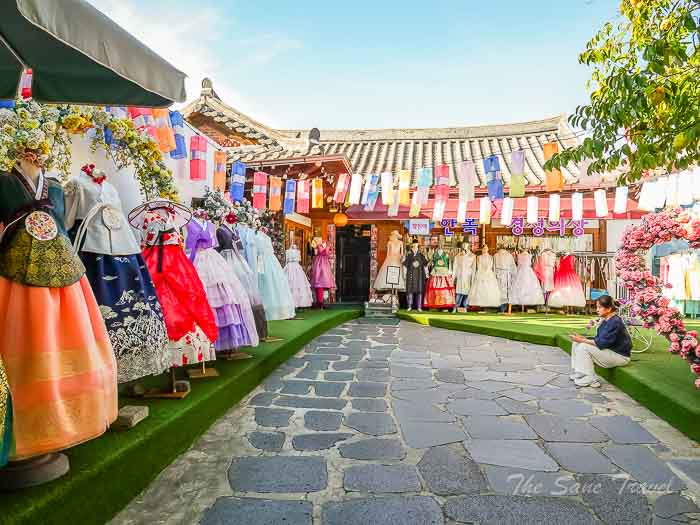
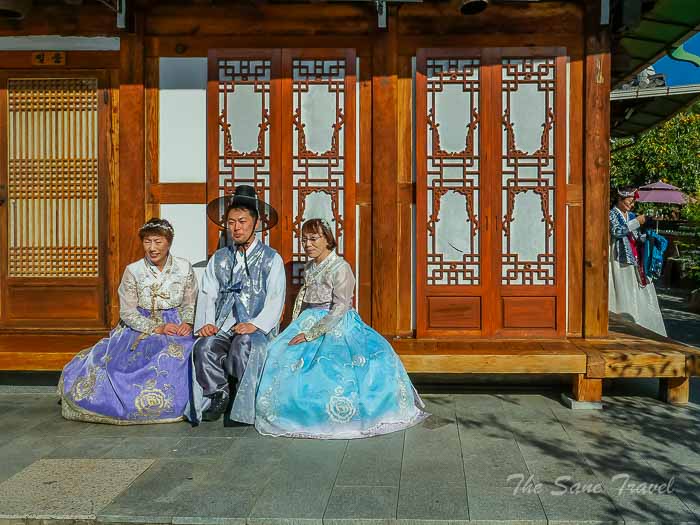
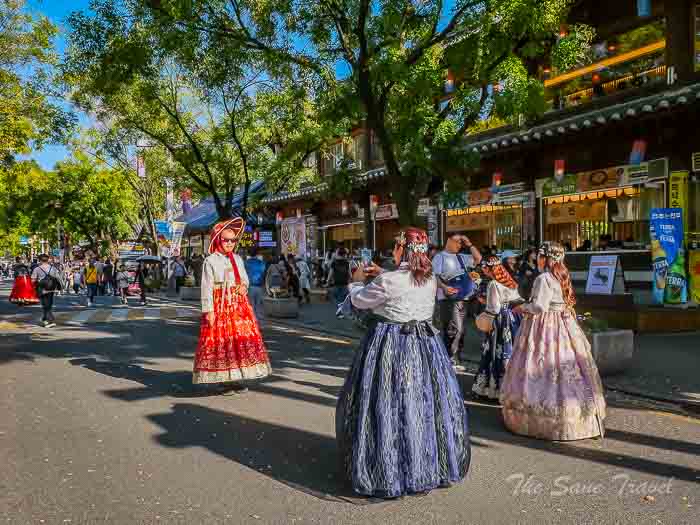
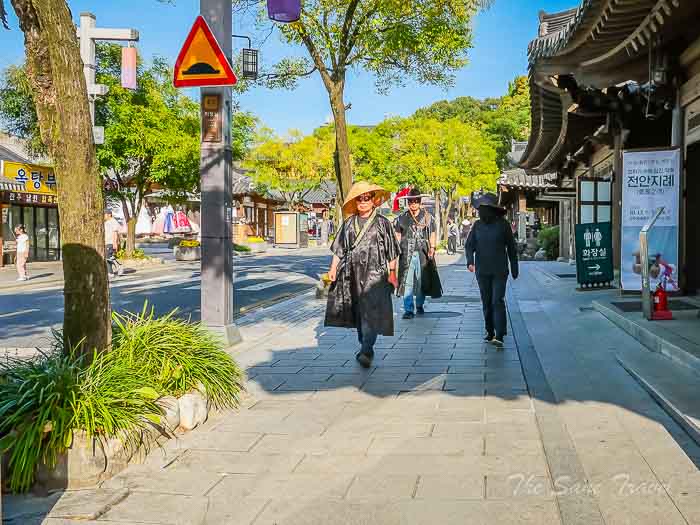 Rather than being a staged village preserved at a particular point in history, Jeonju Hanok Village is a living community where residents go about their daily lives in close interaction with their surroundings. The village is lively and vibrant, with people and activity filling its streets. It is also home to numerous historic sites and monuments, including Gyeonggijeon Shrine, Pungnammun Gate, Jeondong Cathedral, Jeonju Hyanggyo – a traditional educational institution – and Omokdae, a historically significant hill.
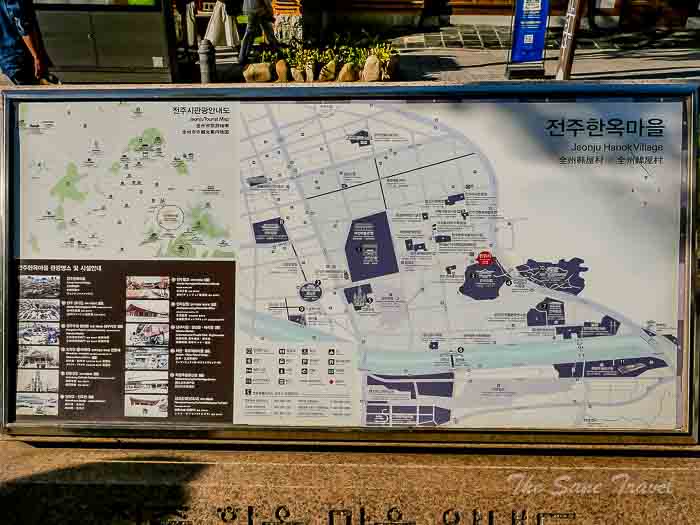
Gyeonggijeon Shrine
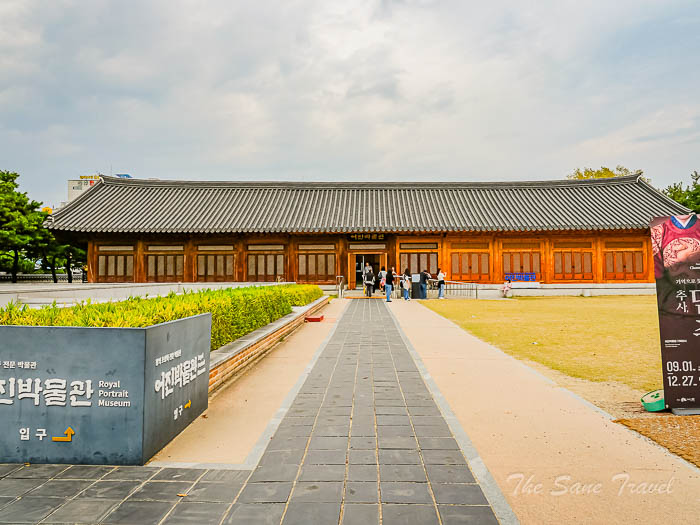
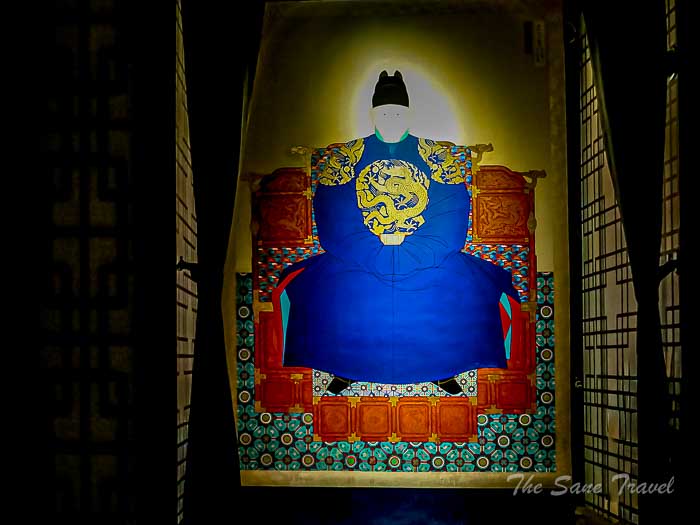
Gyeonggijeon Shrine was built to commemorate the founding of the Joseon dynasty. After establishing the dynasty in 1392, King Taejo ordered the shrine's construction in Jeonju, the ancestral home of the Jeonju Yi clan, to house his portrait and honour the newly established dynasty. The name “Gyeonggijeon” means “a blessed land where a new dynasty began”. 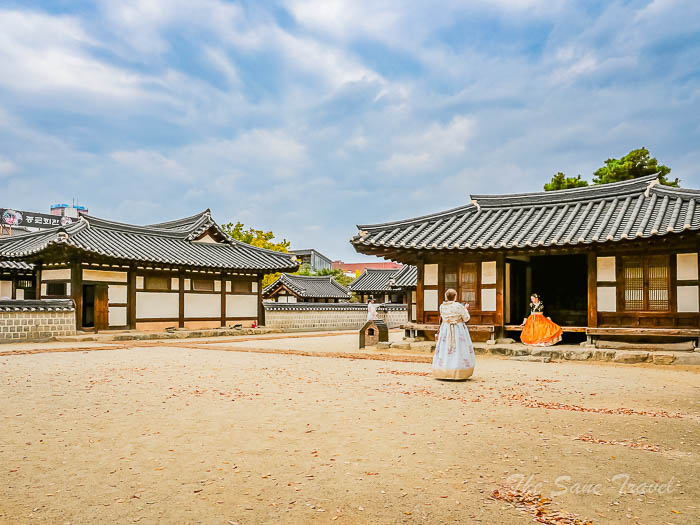 The complex includes Jogyeongmyo Shrine, dedicated to Yi Han, the founder of the Jeonju Yi clan, and his wife; the placental chamber of King Yejong, the eighth ruler of Joseon; and the Royal Portrait Museum.
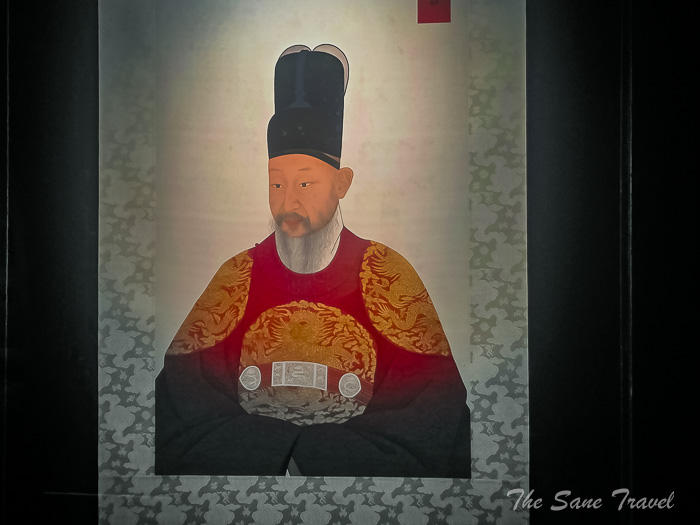
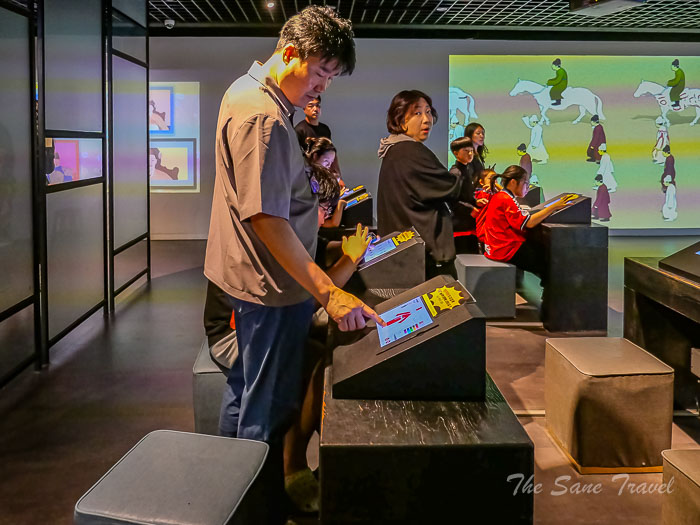
 The museum explores the history of Gyeonggijeon and displays portraits of Joseon rulers, including King Taejo, King Sejong, King Yeongjo, King Jeongjo, King Cheoljong, Emperor Gojong, and Emperor Sunjong. It is a modern, interactive museum where visitors can draw, take selfies in a historic setting, and participate in various other activities.
Jeondong Cathedral
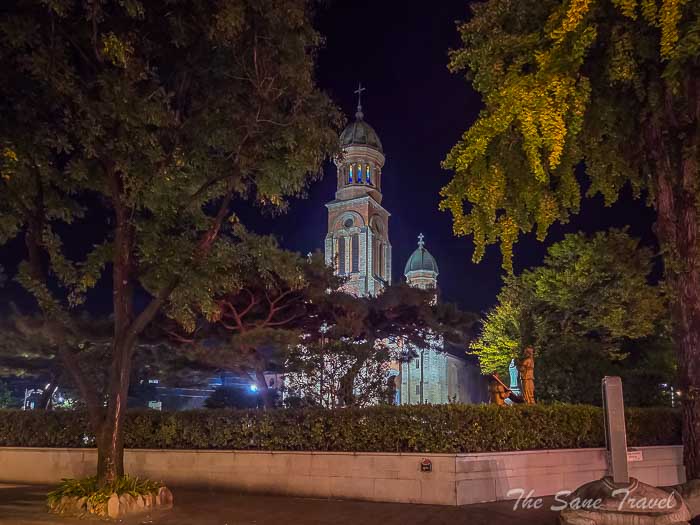
Jeondong Cathedral is located opposite Gyeonggijeon Pavilion, at the beginning of Jeonju Hanok Village’s main east–west road. This historically significant Catholic church was built on the site where Yun Ji-chung and Gwon Sang-yeon, two early Korean Christians, were martyred in 1791. The cathedral is a notable example of Romanesque architecture, characterised by its graceful curves and impressive scale. Its central belfry, with 12 windows and flanked by two domed towers on either side of the main spire, is one of the building’s most distinctive architectural features. Unfortunately, I missed the opportunity to see the cathedral’s interior because a service was taking place during my visit. Interestingly, Christianity is the largest religion in South Korea, with approximately 30% of the population identifying as Christian. Its growth has been closely associated with Korean nationalism, modern education, and post-war recovery.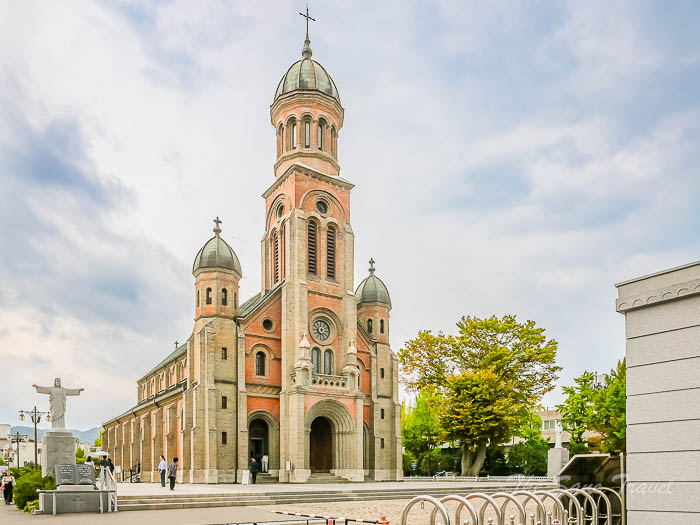
Pungnammun Gate
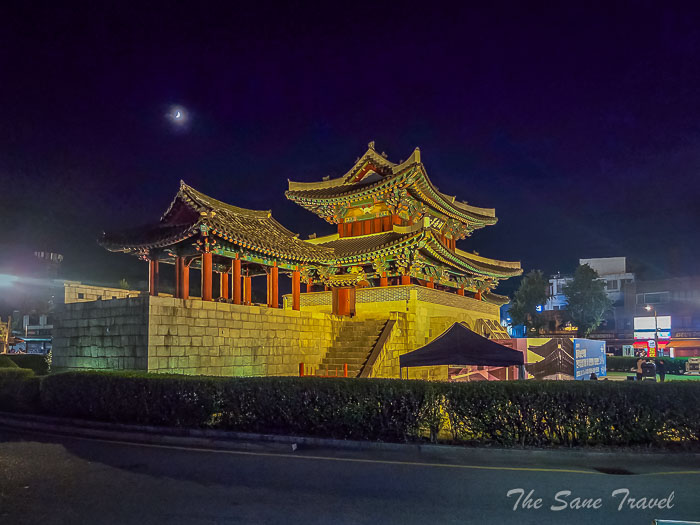
Pungnammun is the southern gate of Jeonju Fortress, which served as the administrative centre of Jeolla-do Province during the Joseon period. It is the only one of the fortress’s four gates to have survived. Originally built during the Goryeo period, the gate was damaged during the Japanese invasion of 1597 and subsequently destroyed by fire in 1767. It was rebuilt in 1768 by order of Governor Hong Nak-in and named Pungnammun. The gate is distinguished by columns extending across both levels of its wooden structure. Although Jeonju Fortress was demolished in 1907 under an order issued during the Japanese colonial period, Pungnammun remains the only surviving remnant of the fortress in Jeonju’s historic city centre.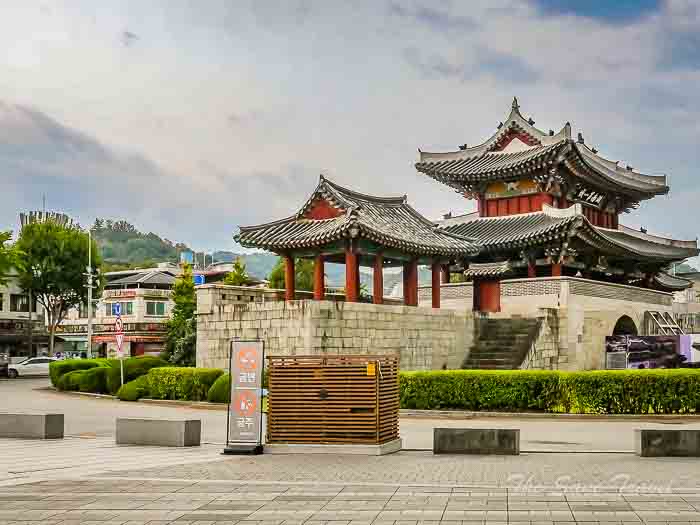
Statue of Peace
Beside Pungnammun Gate stands one of Jeonju’s most poignant landmarks: the Statue of Peace. This moving monument commemorates the “comfort women” (wianbu) – the hundreds of thousands of girls and women, mostly Korean, who were forced into sexual slavery by the Imperial Japanese Army during the Second World War. Every detail carries deep symbolism: the young girl’s clenched fists reflect suppressed anger, her slightly raised bare heels signify a life without rest, and the bird on her shoulder serves as a bridge between the living and the dead. Beside her, an empty chair invites visitors to sit in solidarity with victims who died before receiving justice. Her shadow, cast in the shape of an elderly woman, serves as a haunting reminder of a lifetime spent carrying this trauma. Both a tribute to human rights and a quiet call for an official apology, the monument is an essential stop for reflection in the heart of the city.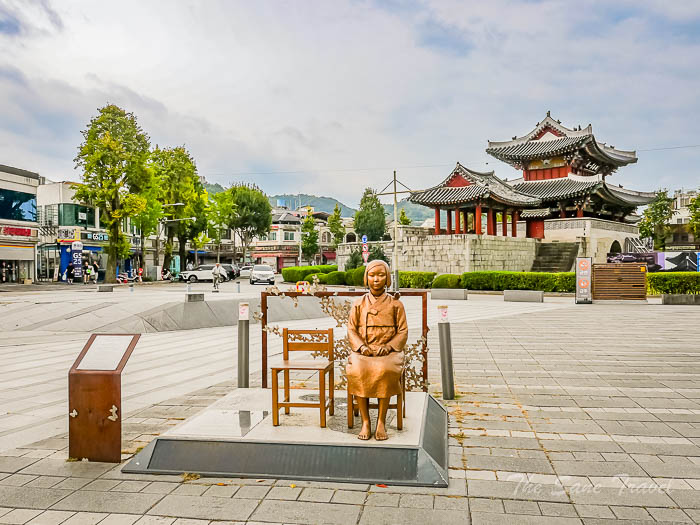
Omokdae Hill
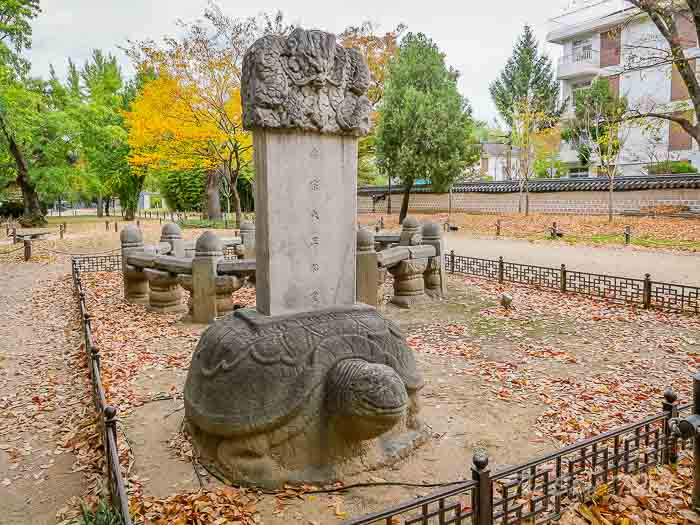
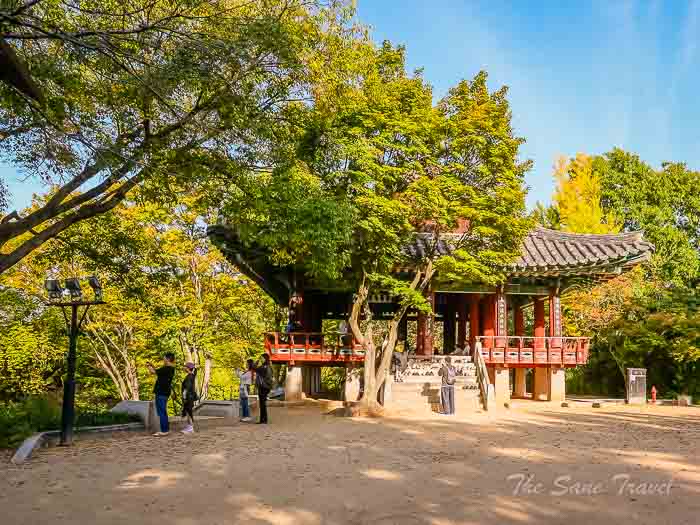
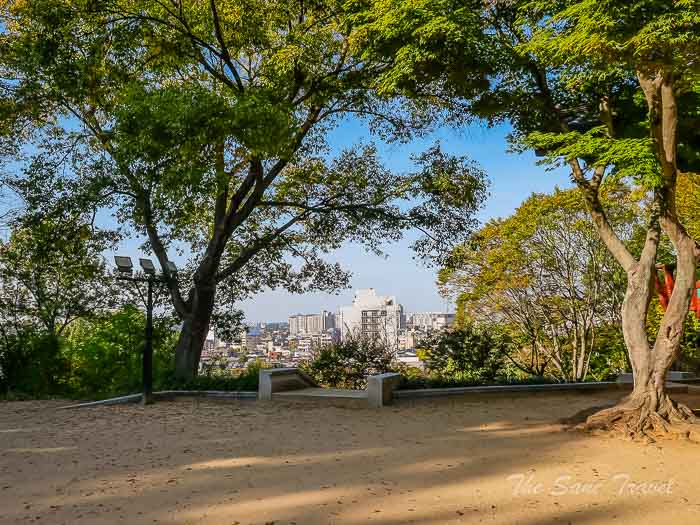
Omokdae is a historic hilltop site offering views over Jeonju Hanok Village. In 1380, Yi Seong-gye, the founder of the Joseon dynasty, later known as King Taejo, held a banquet there after defeating Japanese pirates at the Battle of Hwangsan, near Unbong Peak. During the celebrations, he expressed his ambitions to establish a new dynasty. After the Joseon dynasty was founded, a pavilion was constructed on the hill. In 1900, after proclaiming the Korean Empire, Emperor Gojong erected a monument at the site bearing his own calligraphy to commemorate King Taejo’s visit. Today, visitors can explore the traditional wooden Omokdae Pavilion and enjoy panoramic views of Jeonju Hanok Village’s curved rooftops. Emperor Gojong’s monument stands beside the pavilion.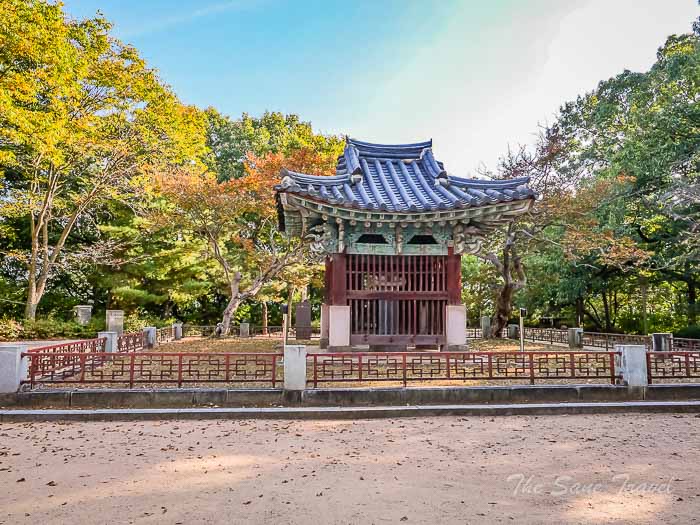
Jaman Mural Village
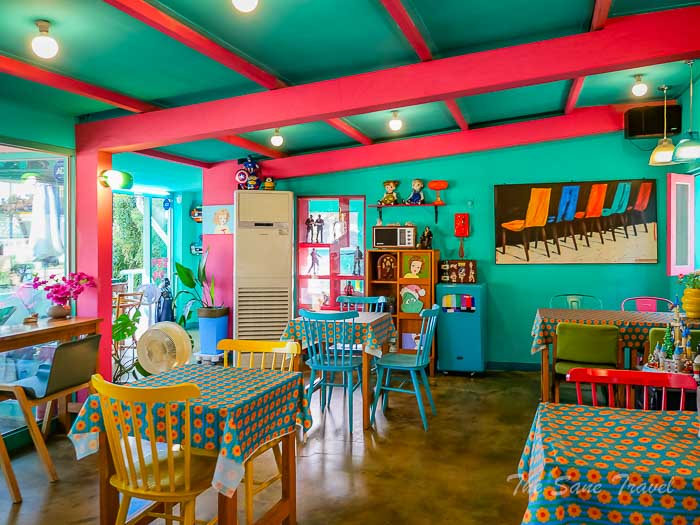
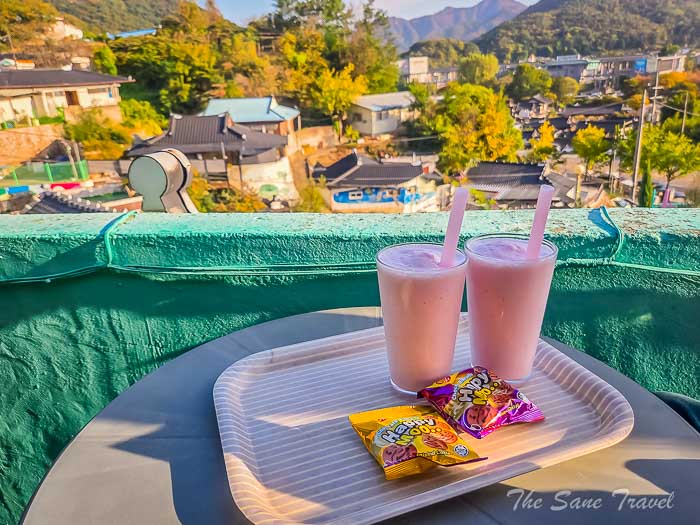
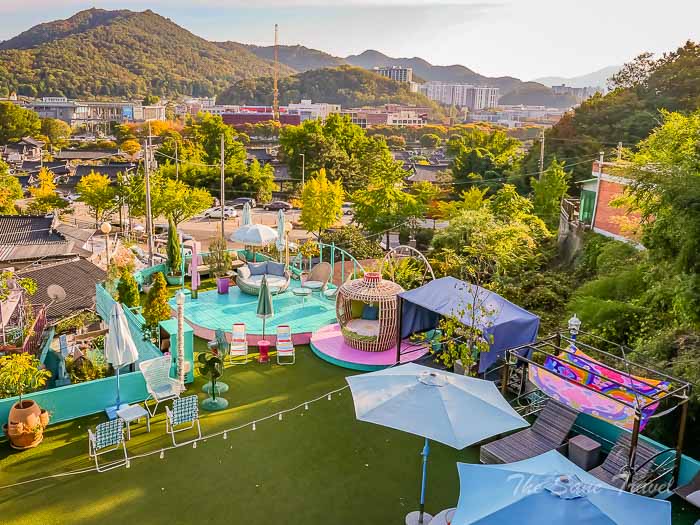
Jaman Mural Village began as a hillside settlement for refugees during the Korean War. Situated on a slope opposite Jeonju Hanok Village, it is known for its winding alleys, pop-culture murals, hilltop cafés, and views of traditional tiled rooftops. In 2012, a city-led revitalisation project transformed the area into a colourful open-air street art gallery. As part of efforts to tackle neighbourhood decline and improve ageing buildings, more than 40 murals were created. Local artists, residents, and cultural organisations decorated walls, doors, and stairways, creating an evolving community art space. Visitors can explore the narrow lanes and discover murals inspired by classic animation, comics, and popular culture, including Spirited Away, My Neighbour Totoro, Adventure Time, and The Beatles. Some artworks have small plaques identifying the artists. The village’s steep paths and stairways lead to viewpoints overlooking Jeonju Hanok Village and the surrounding city. 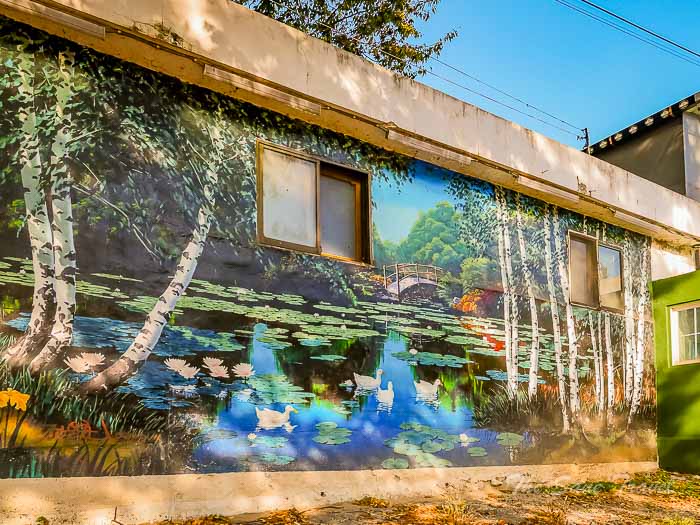
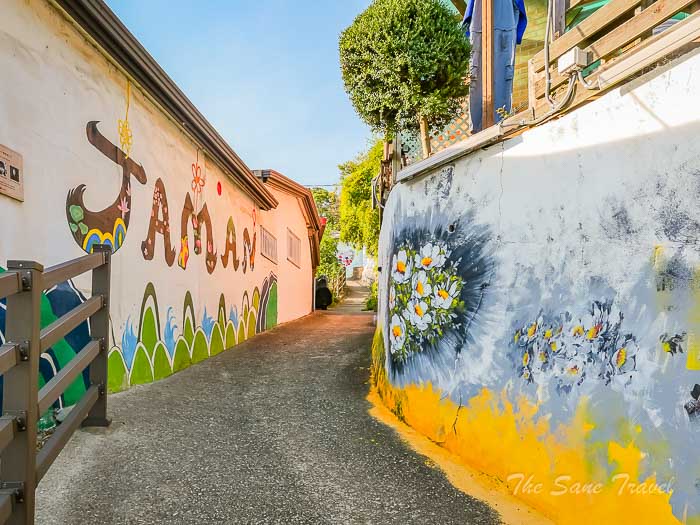
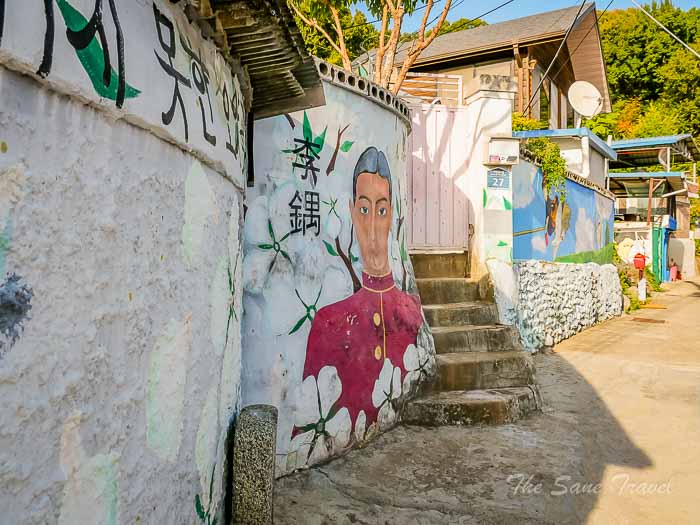
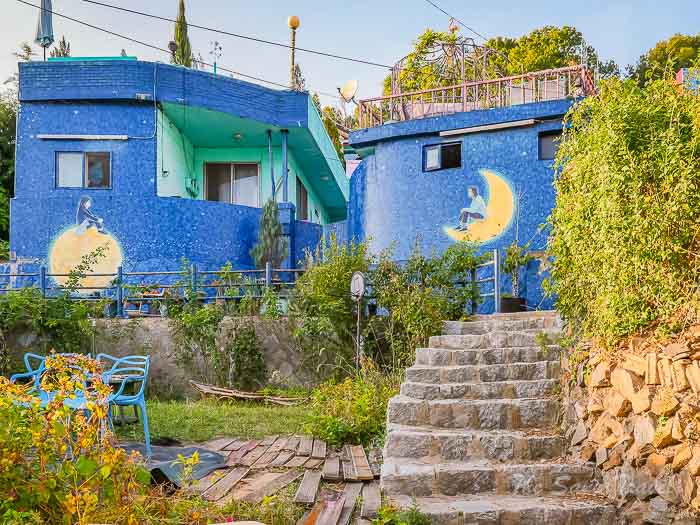 Many former homes have been converted into cafés, small shops, and guesthouses. I had a mouth-watering cocktail at one of the colourful cafés there.
Namcheongyo Bridge
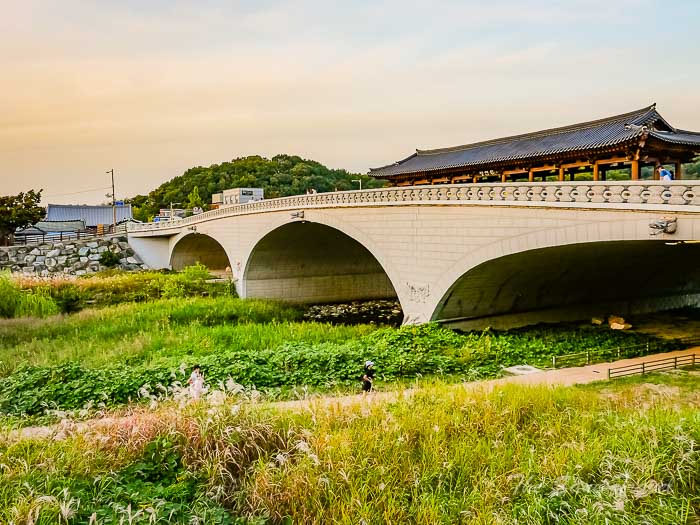
Namcheongyo Bridge is a scenic bridge spanning Jeonjucheon Stream in Jeonju. It connects Jeonju Hanok Village with Seohak-dong and features the traditional wooden Cheongyeonru Pavilion. The current bridge was built in 2009, with the pavilion added later that year. A popular spot for a stroll, the bridge offers views of the gently flowing stream and the surrounding scenery. The riverside takes on a different character with each season: cherry blossoms bloom in spring, lush greenery covers the landscape in summer, and reeds and maple leaves bring shades of silver and red in autumn. From Cheongyeonru Pavilion, visitors can enjoy peaceful views that capture the relaxed rhythm of everyday life in Jeonju. 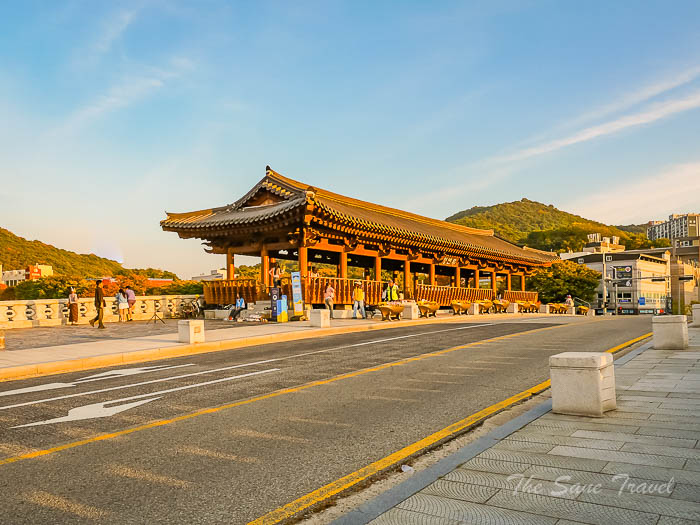
The path along Jeonjucheon, starting from Cheongyeonru Pavilion, offers views of the historic bridge, flowing water, and daily life. In the mornings, joggers and walkers frequent the area, while families and couples visit the bridge in the evenings. Away from the city’s busier streets, it provides a peaceful setting to listen to the water, gather your thoughts, and experience Jeonju’s slower pace.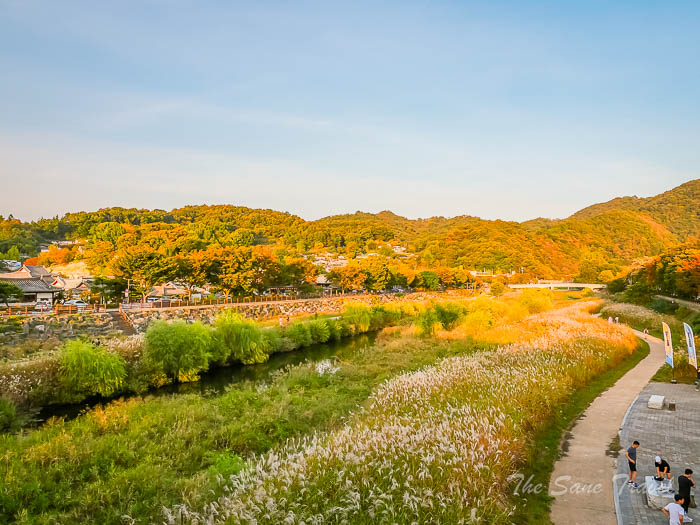
Jeonju’s Jeolla Gamyeong
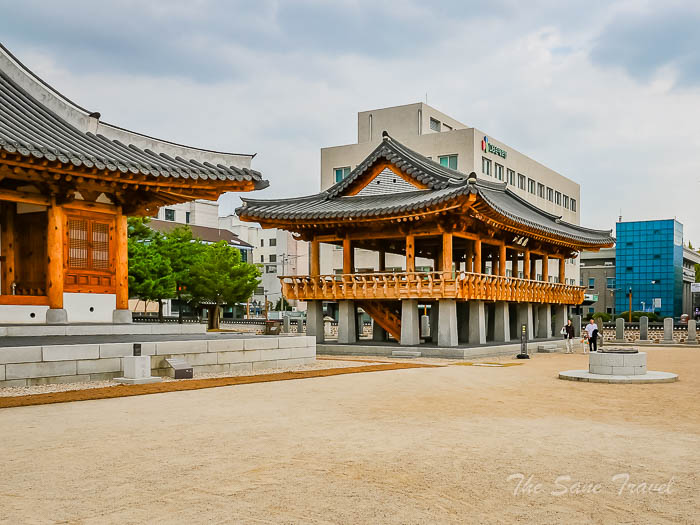
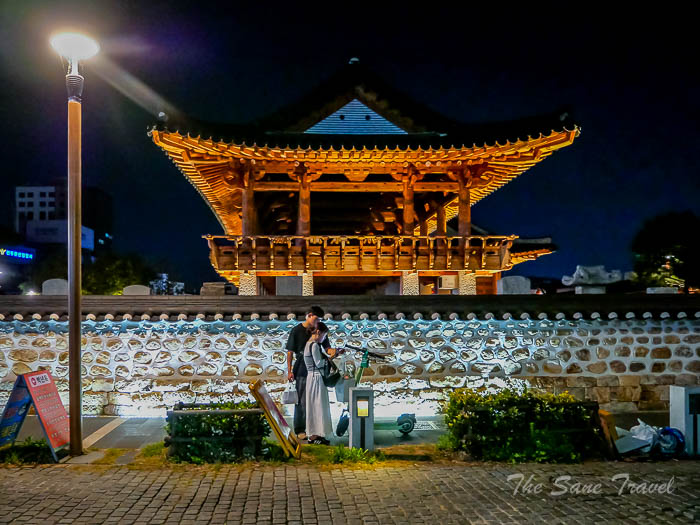
For over 500 years, Jeonju’s Jeolla Gamyeong served as the administrative heart of the entire Jeolla region during the Joseon dynasty. It has since been beautifully restored. After the original 40-building complex was lost, a major restoration project saw its key historic structures, including the governor’s office (Seonhwadang) and Gwanpunggak Pavilion, reopen in late 2020. Today, this easily walkable cultural hub invites visitors to explore interactive history exhibitions, join free daily guided tours (at 11:00 am, 2:00 pm, and 4:00 pm), and enjoy live music and evening events all year round, all with free admission. 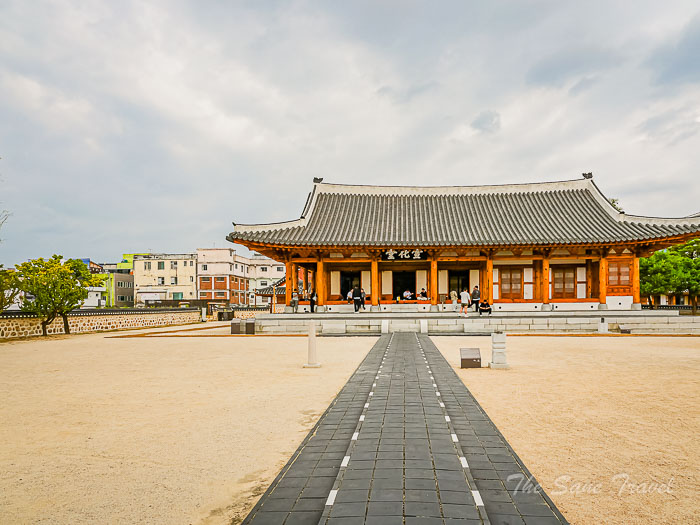
 I found it particularly atmospheric when illuminated at night.
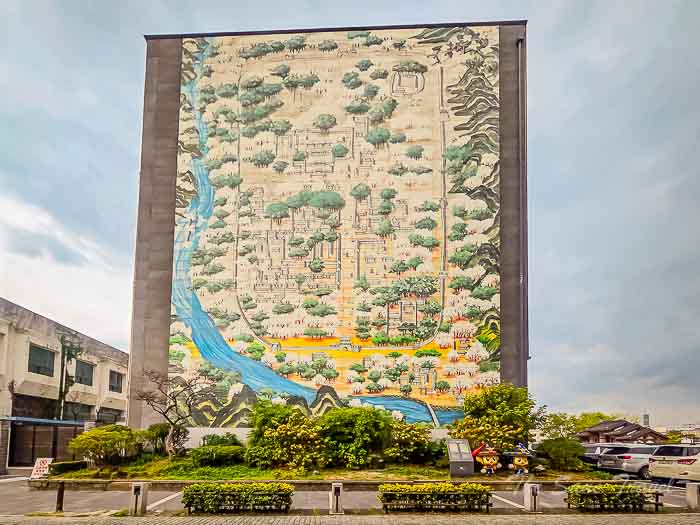
Check out the mural depicting the historic map of Jeounju next to the Jeolla Gamyeong.
Eat more bibimbap
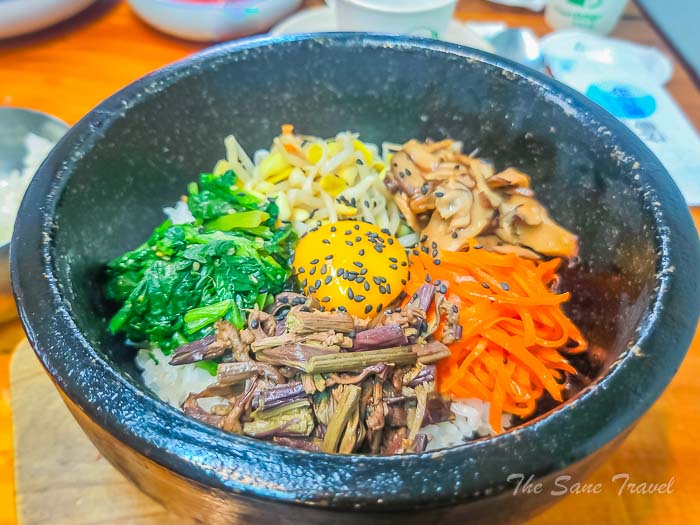
Jeonju is widely regarded as the birthplace and culinary centre of Jeonju bibimbap, one of Korea’s signature dishes, making it an ideal place to try it. The word “bibim” means mixing, while “bap” means cooked rice. This traditional dish typically includes rice, egg, a variety of vegetables, and sometimes cooked or raw meat. When dining in Jeonju, consider pairing the bibimbap with the local version of makgeolli, a traditional Korean rice wine.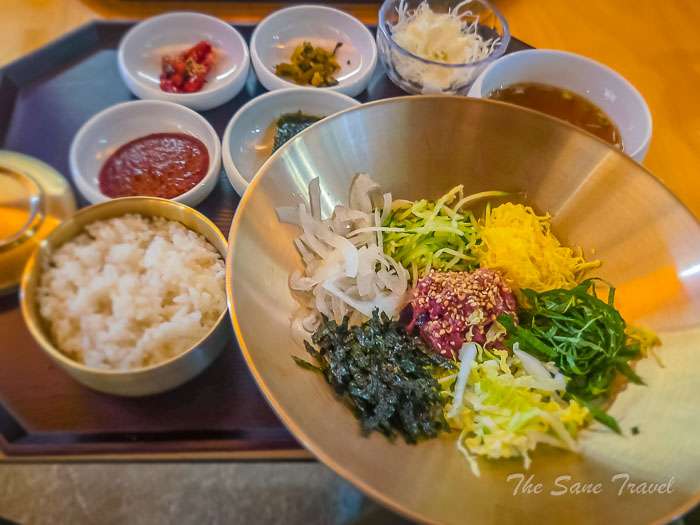
How to get to Jeonju
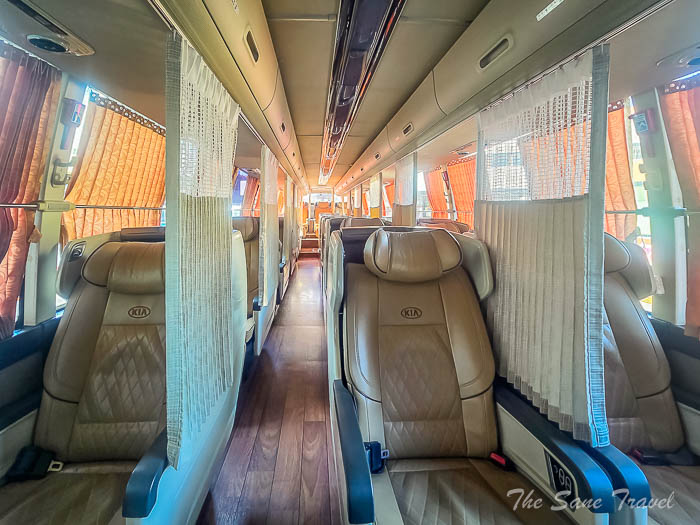
Located in western South Korea, roughly halfway between Seoul and Busan, Jeonju can be reached by highway bus or KTX high-speed train. It lies slightly off the main high-speed rail route connecting Seoul, Gyeongju, and Busan. The KTX journey from Seoul takes approximately two to three hours. Train tickets can be purchased through Trip.com or at the station. The bus from Seoul takes about two hours and 45 minutes and arrives at Jeonju Express Bus Terminal. I travelled by bus and found the journey enjoyable. I also took the bus to my next stop, Gyeongju.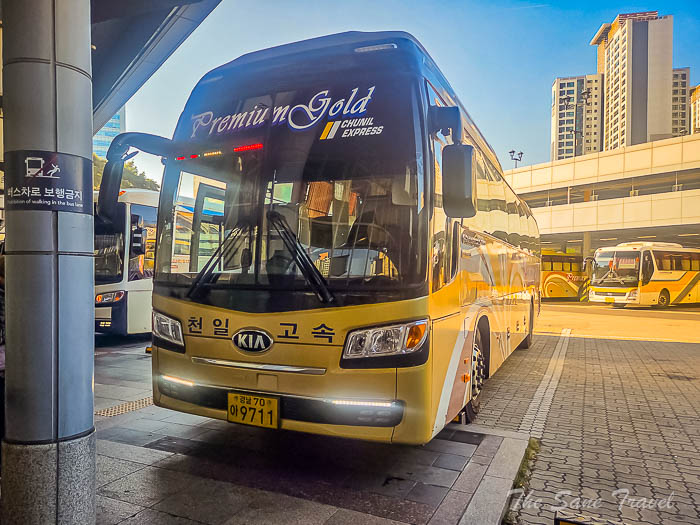
Like it? Pin it!
What did you think? Have you been to Jeonju or South Korea? I would love to hear from you, so please add your comment below.
Author: Anita Sane

About the author
Anita is a part-time traveller, passionate photographer and a retired career woman from Latvia, travelling mostly solo for more than 15 years. She is a skilled travel planner who plans and executes her travels by herself. Anita wants to show you how to travel the world and open your mind to new experiences. Follow her on Facebook, Instagram, Pinterest, Twitter and Bloglovin.
Report
My comments