
Craving a taste of authentic Spain beyond Valencia’s vibrant streets? Forget packing your bags and hotel hopping – day trips are the answer! Just a short hop from Valencia, you will find a treasure trove of historic castles, charming coastal towns, lush nature reserves, and sun-drenched wine regions. Among them, at the very top of my list sits Xàtiva, a captivating destination perfect for history buffs, architecture enthusiasts, and anyone seeking a slower pace of life. Only an hour away, Xàtiva offers stunning panoramic views, a remarkably well-preserved medieval fortress, and a compact city centre brimming with cultural gems. Let’s dive in, shall we?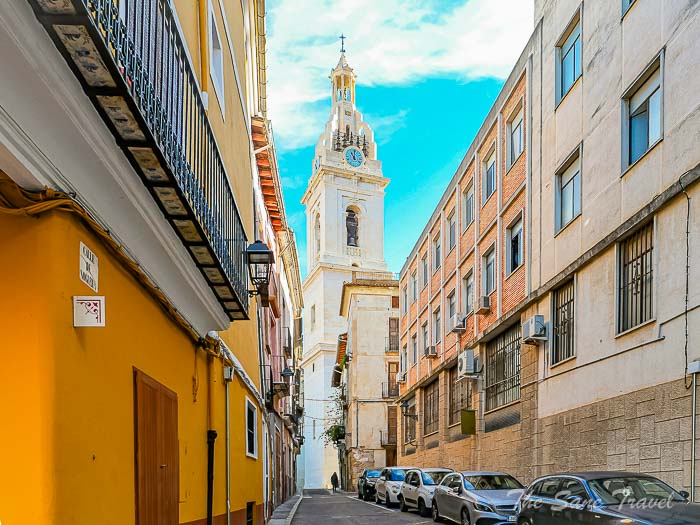
Xàtiva City: where the past comes alive
Nestled among the rolling Valencian hills, Xàtiva is a city where history is not merely read about – it is felt beneath your feet. The imposing Xàtiva Castle dominates the skyline, while winding medieval streets whisper tales of bygone eras. This is a place to slow down, breathe in the history, and immerse yourself in the legacy of the civilisations that have shaped this unique destination. Did you know that Xàtiva was the birthplace of the Borgias, the infamous family who gave the world two popes? Calixtus III and Alexander VI left an indelible mark on the city, their influence still echoing through its landmarks and stories.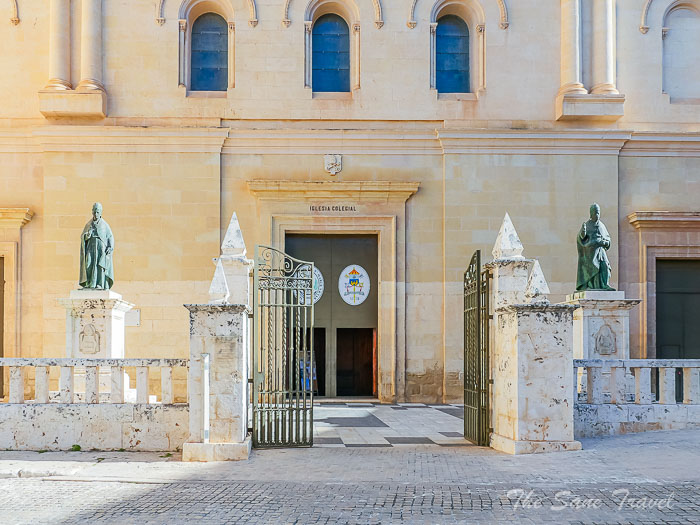 Xàtiva’s history, however, is not all gilded halls and papal pronouncements. In 1707, during the War of the Spanish Succession, King Philip V ordered the city to be burned to the ground as punishment for its resistance. Yet the resilient people of Xàtiva rebuilt it from the ashes, their spirit unbroken. As a symbol of defiance, the local museum displays an upside-down portrait of Philip V – a powerful reminder of the city’s enduring strength.
Xàtiva Castle: a fortress with a view
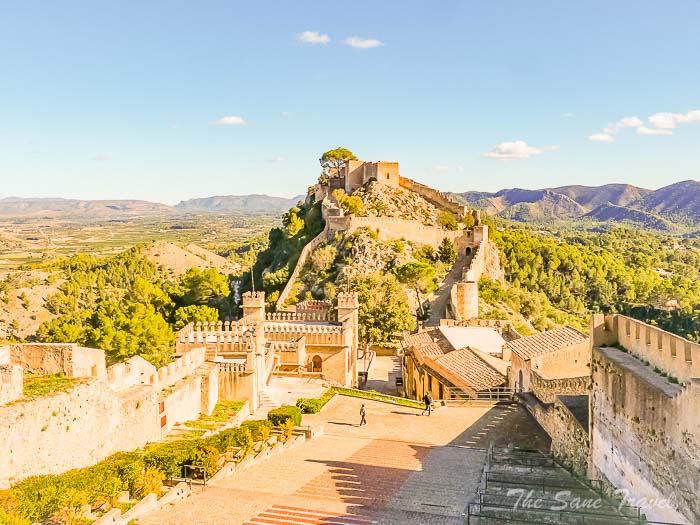
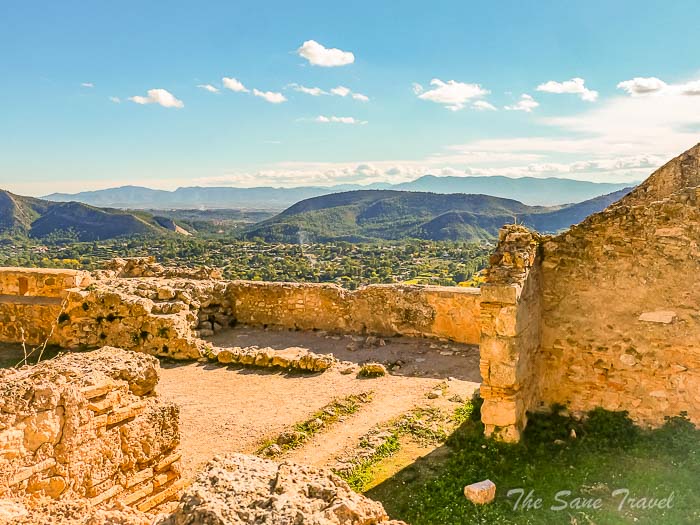
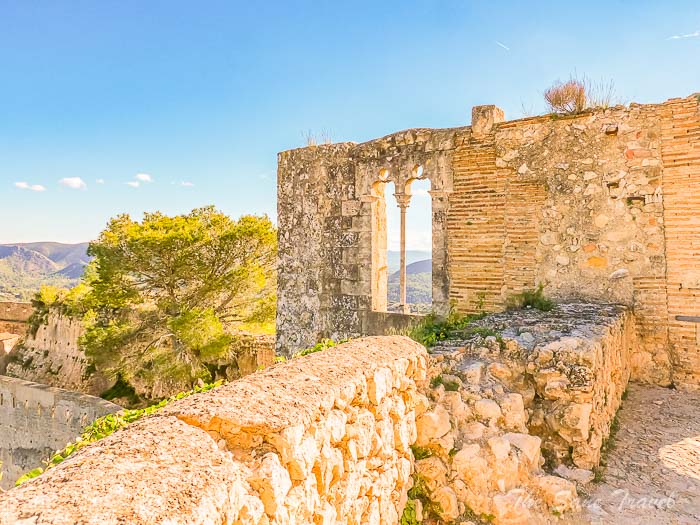
Perched atop a steep hill, the Castell de Xàtiva is the city’s undisputed crown jewel. With origins stretching back to Iberian and Roman times, this magnificent fortress offers breathtaking panoramic views across the surrounding landscape – and the climb is well worth the effort. The castle is divided into two sections: the Castell Menor, the oldest part, with Iberian and Roman foundations, and the Castell Major, the best-preserved section, whose Islamic walls and towers were later adapted during the Christian Reconquista. As you wander through its ancient walls and hidden passageways, you can almost hear the echoes of the events that once unfolded within this stone stronghold. Explore the cisterns used for water storage, the Gothic chapel of Queen María, and even the cells that housed prisoners during the Crown of Aragon. The castle has played a pivotal role throughout history, from Hannibal’s campaigns to the wars against Castile. It even served as a prison for high-profile captives. A visit to Xàtiva Castle is a journey through time, leaving an impression that lingers long after you have left.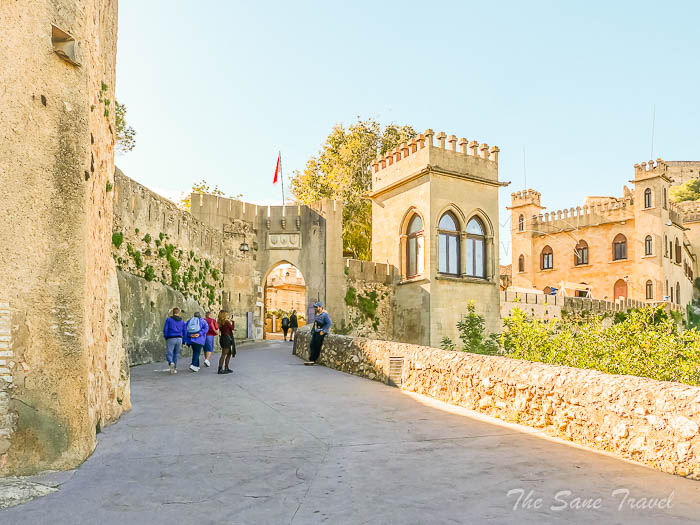
Old Town: a labyrinth of charm
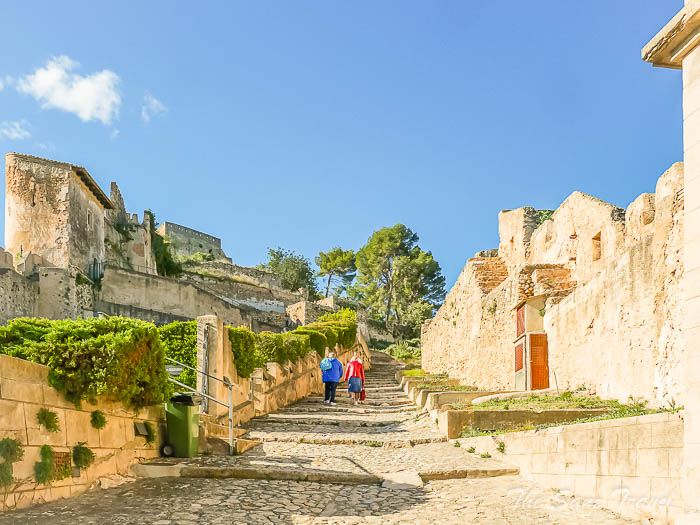
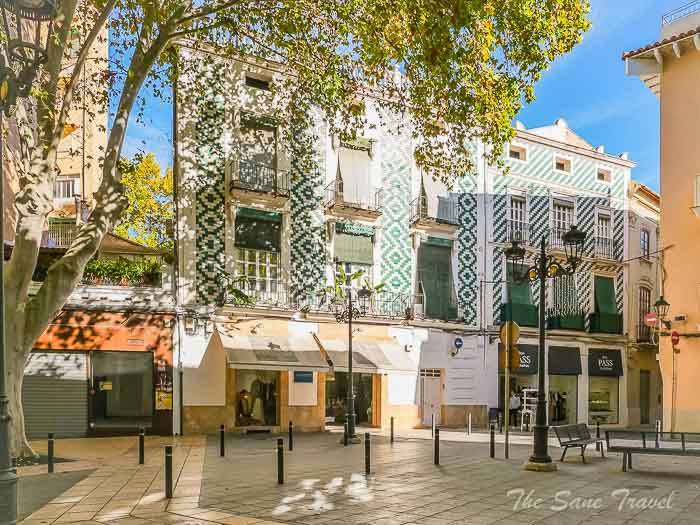
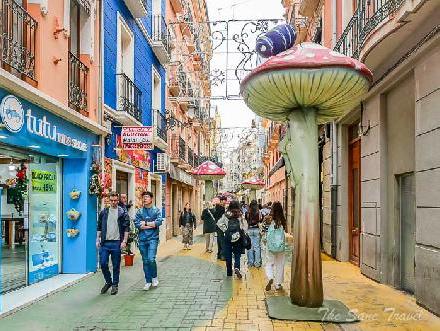
Lose yourself among the cobbled streets, tranquil plazas, and family-run cafés of Xàtiva’s old town. Let yourself be swept away by its quiet alleyways, Moorish layout, and imposing façades. Admire the intricate tiles adorning the balconies, the vibrant Valencian ceramics, and soak up the history that permeates every corner. Rest assured that wandering through Xàtiva’s old town is a genuine pleasure for any traveller.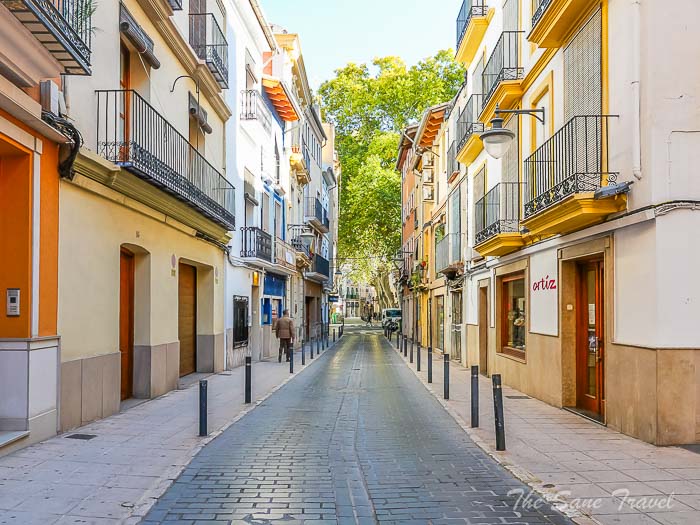
Santa María Collegiate Church: an unfinished masterpiece
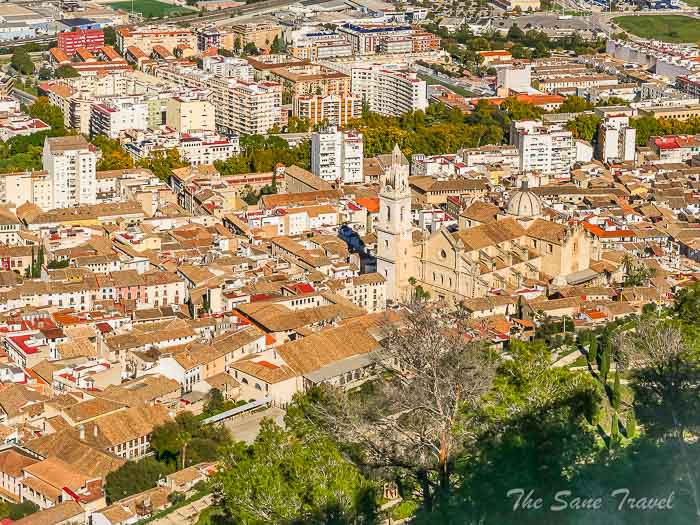
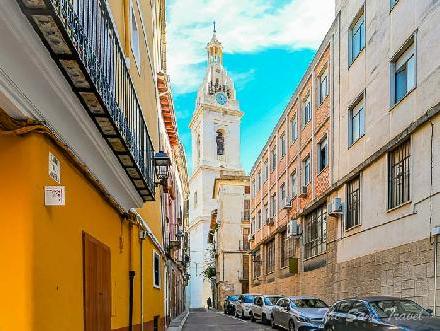
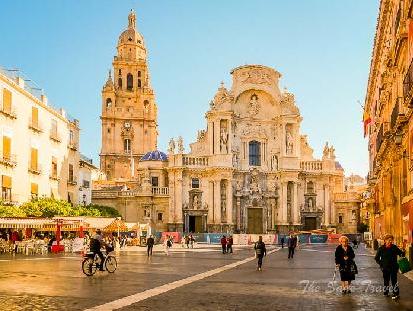
Prepare to be impressed by the Santa María Collegiate Church, also known as La Seo or La Seu. It is absolutely enormous – even bigger than Valencia Cathedral! Although construction of the basilica began in the mid-16th century, it has never been fully completed, which only adds to its unique charm. Together with the castle, it is one of the city’s most iconic landmarks, blending Gothic and Baroque architectural styles. From the outside, the church is truly imposing, especially when viewed from the castle, dominating the historic centre. Inside, marvel at the ancient access doors and the main altar with its striking pink marble columns. Do not miss the Collegiate Church Museum, which houses an impressive collection of sacred art, including pieces commissioned by Pope Calixtus III. 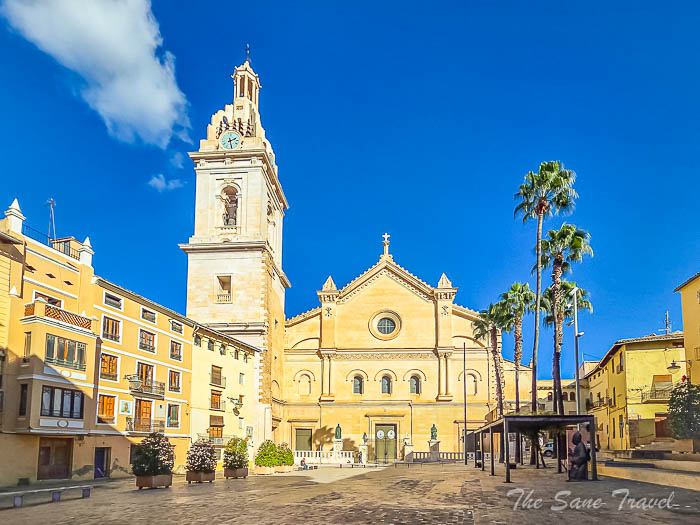
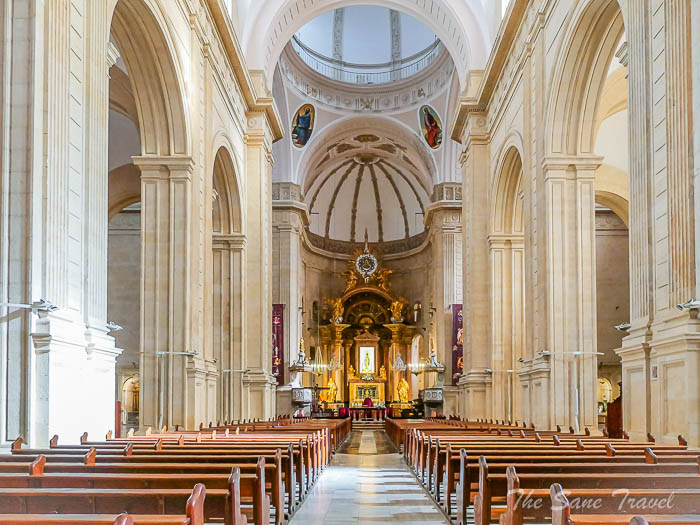
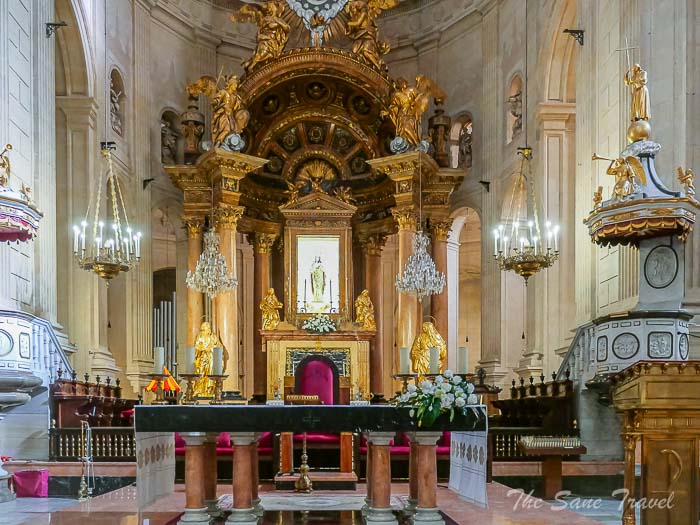
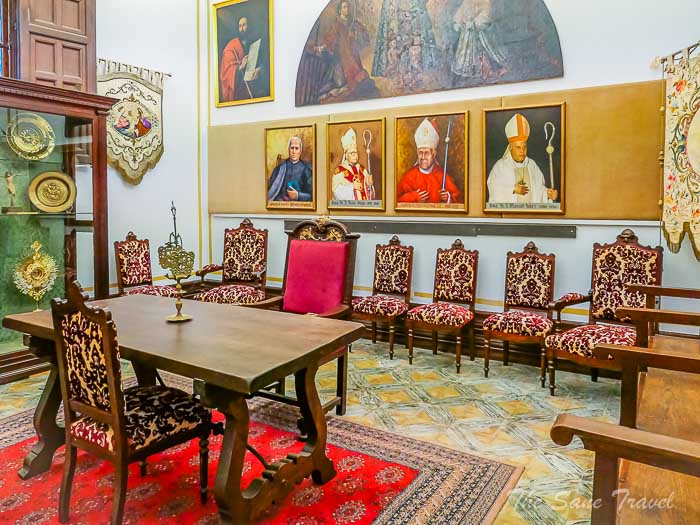 If you are feeling energetic, climb the 180 steps to the top of the 19th-century bell tower for stunning views. The bell tower also includes a small shrine honouring the Virgin of the Snows, the city’s patroness.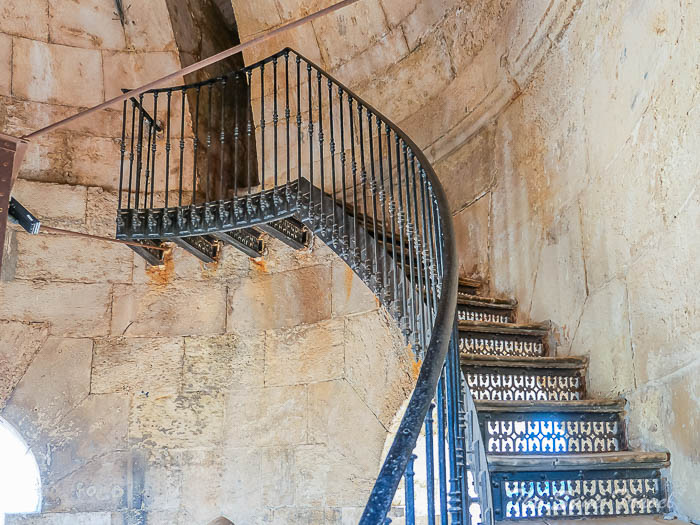
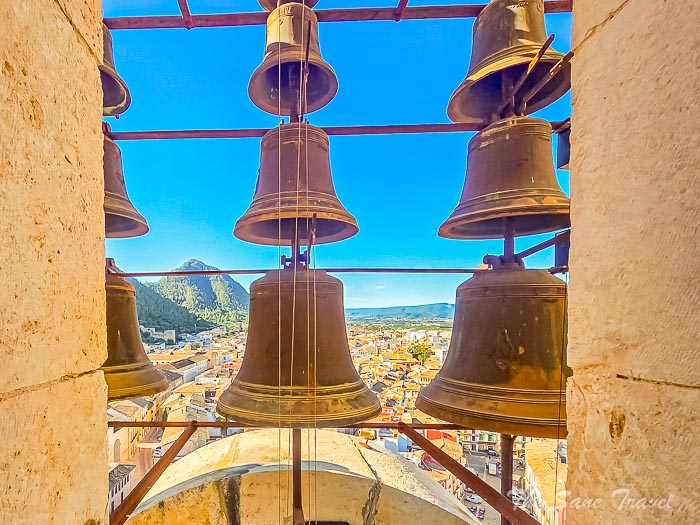
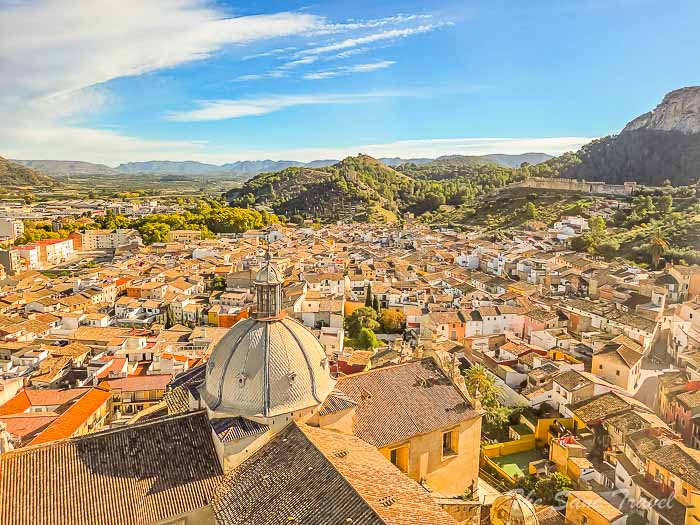
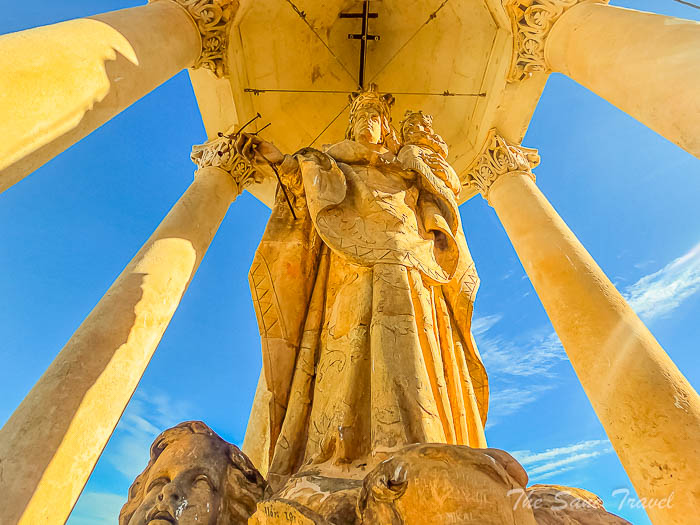
Note that the church is open only in the mornings: Tuesday to Friday, 10:30 a.m. to 1 p.m., and Saturday and Sunday, 11:30 a.m. to 1 p.m.
Old Royal Hospital: a testament to Valencian architecture
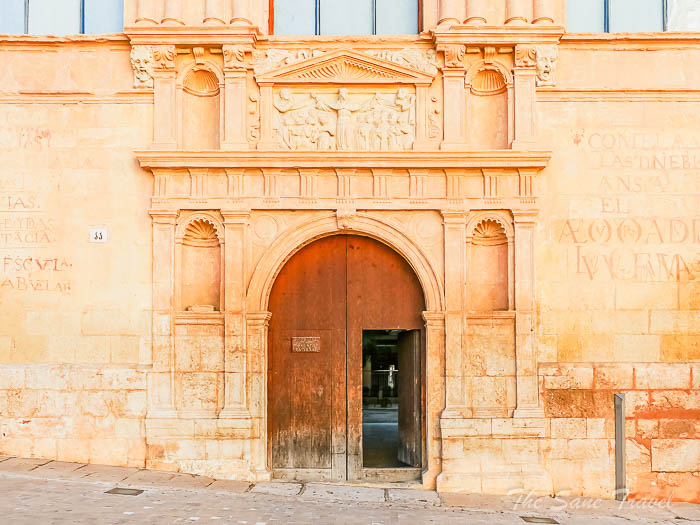
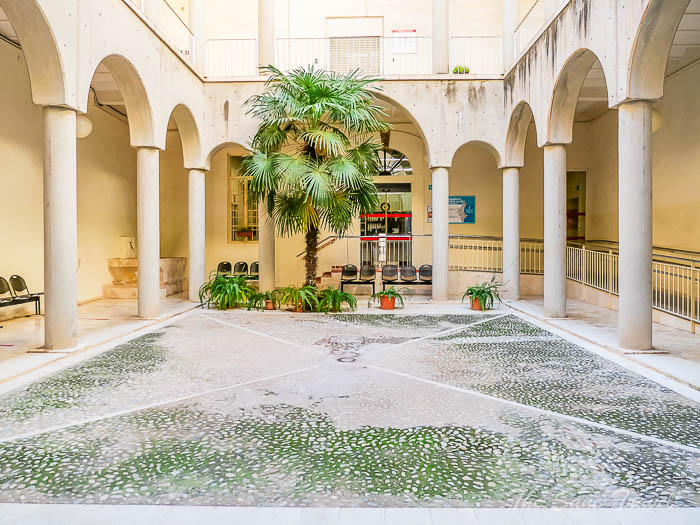
Founded in 1244 by James I, the Old Royal Hospital is one of Xàtiva’s most beautiful and intriguing monuments. Originally built to care for the health of the local population, it underwent several renovations after the Christian reconquest, eventually becoming a symbol of Valencian architecture in the 16th century. Admire the blend of Gothic and Renaissance styles, the ogee arch of the Gothic chapel doorway adorned with Flamboyant pinnacles, and the series of musical angels accompanying the image of the Virgin and Child. The central doorway, designed as a triumphal arch, is a striking example of Renaissance style.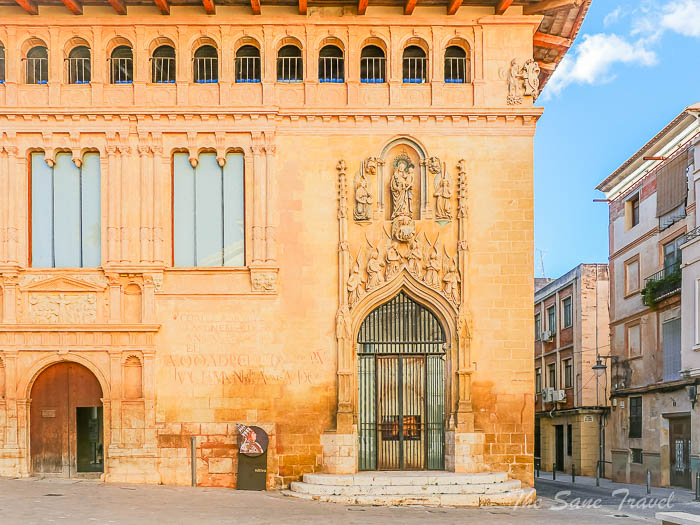
Casa Artigues: a hidden gem
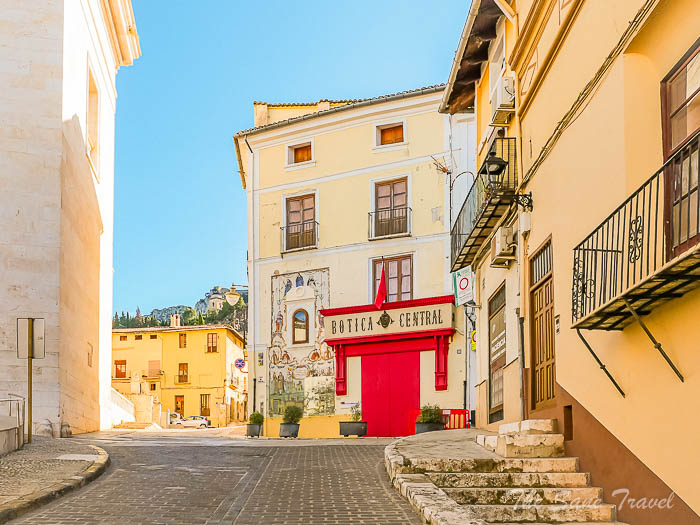
Tucked away at 10 Noguera Street, Casa Artigues is a true hidden gem. Owned by a prominent family of pharmacists, this 18th-century building boasts an eclectic, porticoed entrance that blends Modernist and Neo-Gothic elements. The real highlight, however, is the famous ceramic wall tableau depicting distinguished local figures, including the two Borgia Popes. This Rococo-style tableau, composed of approximately 288 tiles, was commissioned to pay tribute to the Virgin of La Seu and the city’s leading citizens. Although it was dismantled and restored after the Spanish Civil War, it remains a captivating piece of art and history.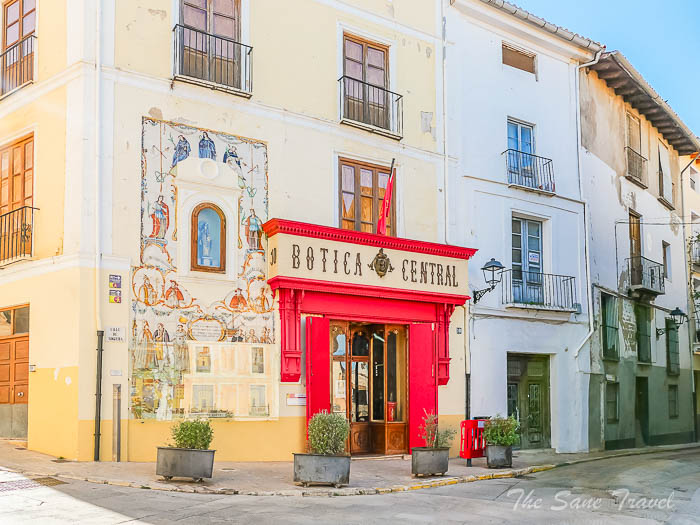
Market Square: the heart of Xàtiva
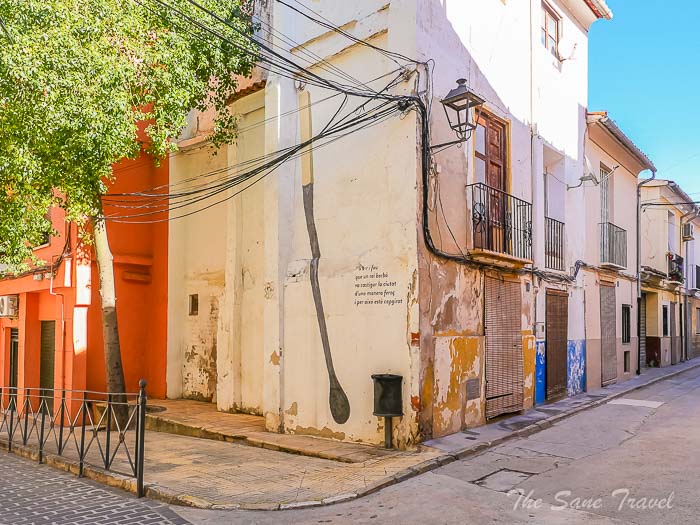
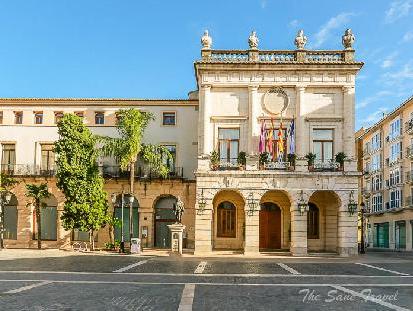
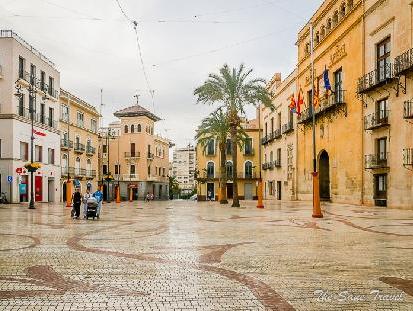
No visit to Xàtiva is complete without a stop at Market Square, known locally as Plaça del Mercat. This bustling square is the heart of the city, surrounded by historic buildings, an outdoor market, and a plethora of cafés and bars. It is also a place where visitors can admire wall paintings depicting stories from the city’s history. The square, with its arcades and colourful buildings, shifts in atmosphere as the day progresses. In the morning, it is quiet and peaceful, with cafés setting up their terraces.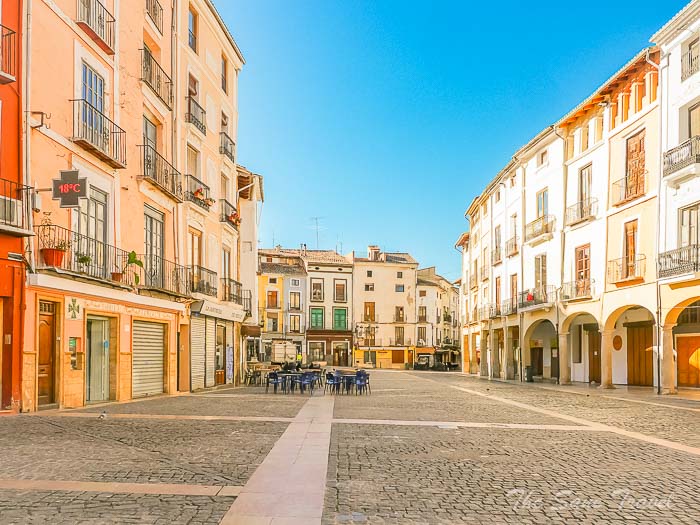
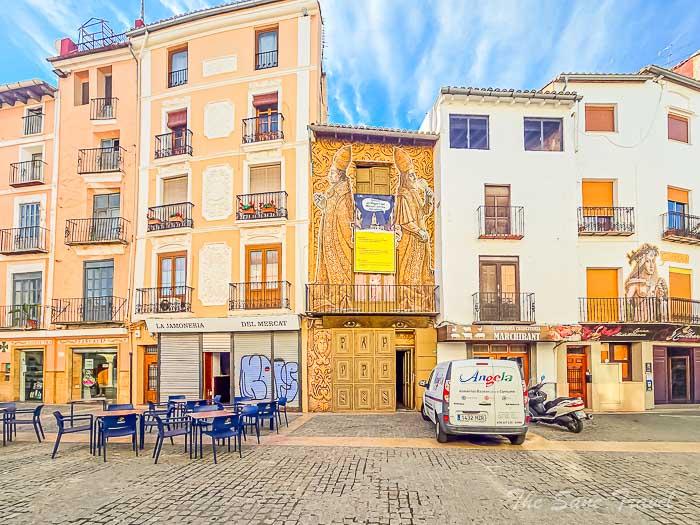
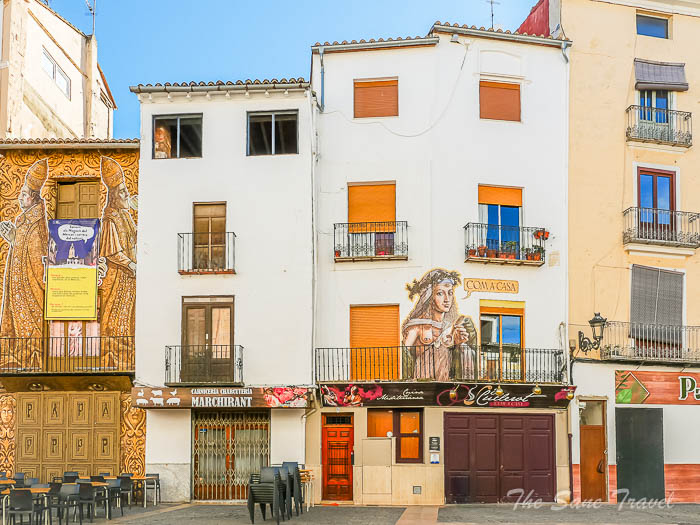 As lunchtime arrives, the restaurants begin to fill, and come evening, the square buzzes with locals enjoying tapas, drinks, and live music. Every Tuesday and Friday, market stalls sell everything from fresh fruit and vegetables to vintage clothes and flowers. The produce is excellent, particularly the local oranges and specialities from the surrounding valley.
Fuente Real Del León: a fountain of history
Xàtiva is famous for its many historical fountains, with the Fuente Real del León being a popular attraction. The Portal del Lleó gate, dating from 1788, was originally designed to have two lion-themed fountains on either side, but only one was ever completed. Built in the neoclassical style, it now stands in front of the Xàtiva tourist information office.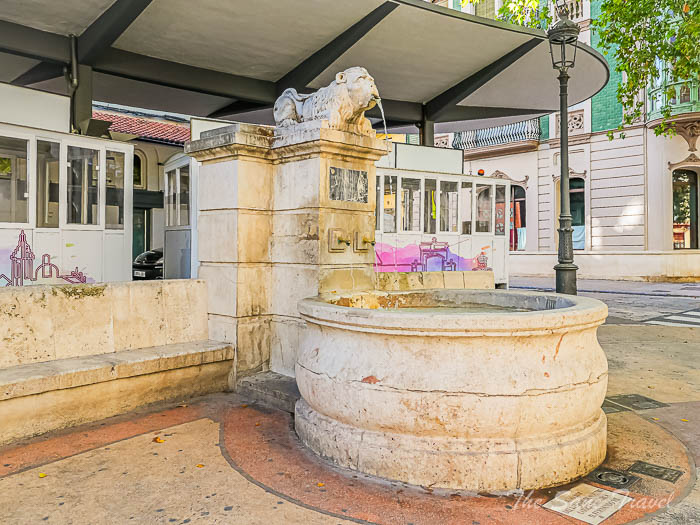
Royal Fountain of San Francisco
Many fountains in Xàtiva needed renovation due to their age and poor condition, including the Royal Fountain of San Francisco, located in the square of the same name. In 1764, the fountain was reconstructed in the Baroque style by stonemason Marcos Piqueres, featuring a mixtilinear basin, a balustrade, and a cup adorned with two coats of arms of Xàtiva. Originally, it was topped with a statue of Saint Francis, which went missing during a revolutionary event in the 19th century. The current sculpture was installed in 1985.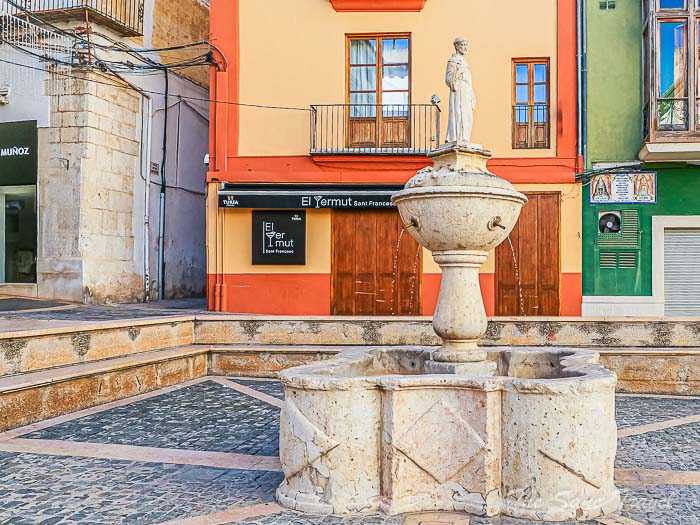
If you are keen to explore more of Xàtiva’s ancient fountains, follow the marked Water Route on this map.
Practical information: planning your day trip
Getting to Xàtiva from Valencia is easy. The C2 train runs every 30 minutes from Valencia North station, with the journey taking about an hour. 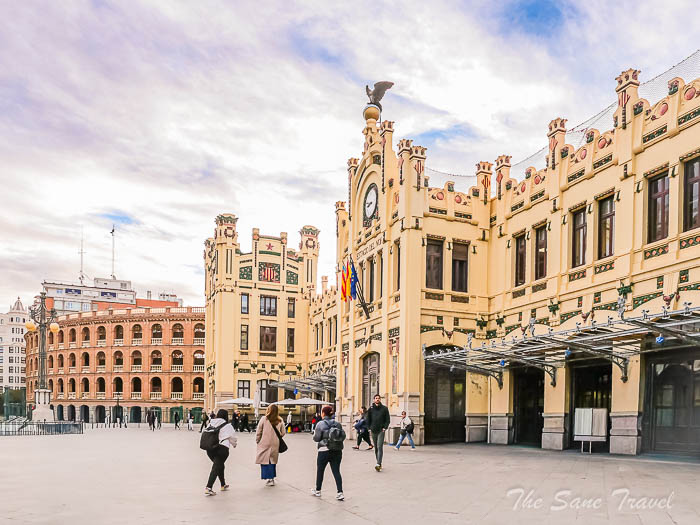 The scenic route offers lovely views of the Spanish countryside. To make the most of your day, try to arrive early, especially if you plan to visit the Colegiata Basílica de Santa María, which closes at 1 p.m.
 Visit the Tourist Information Centre on 2 Avenida de Selgas to check the tourist train departure times and get up-to-date information on other attractions and their opening hours.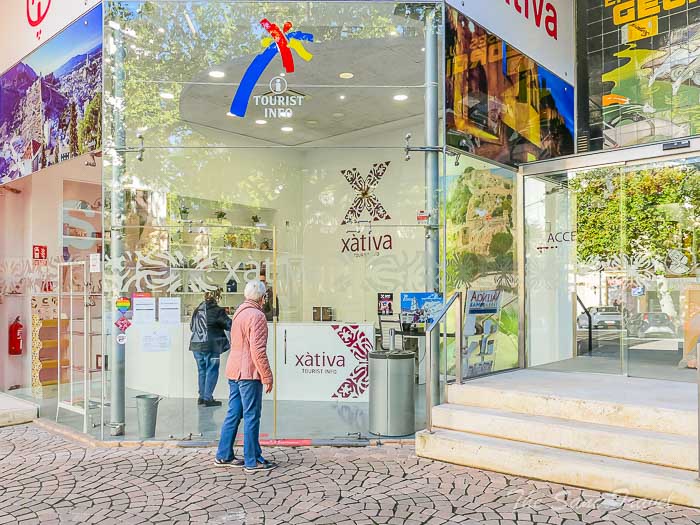
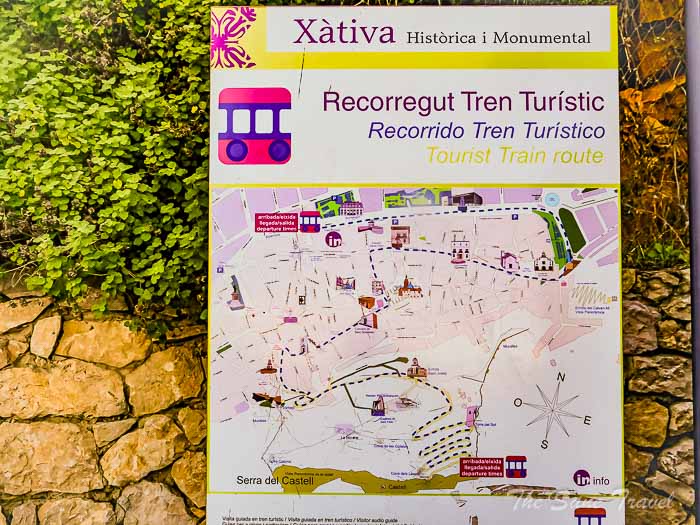
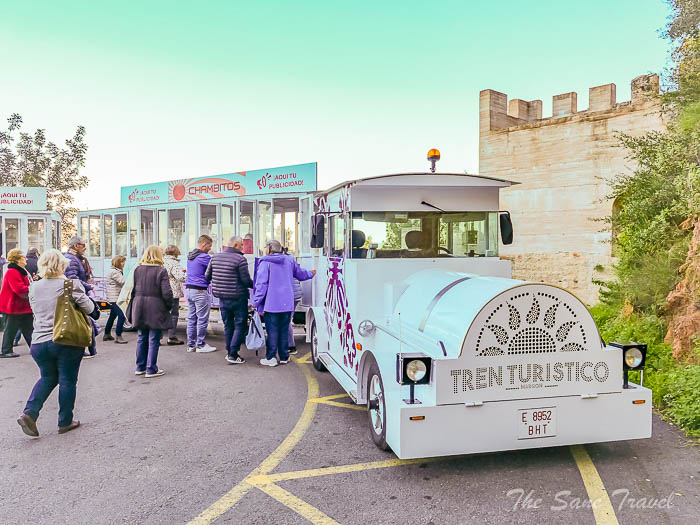
Keep in mind that some sights may close for a few hours in the middle of the day, so plan accordingly. The Xàtiva Tourism Board has also created a useful app that you can use as your guide around the city – a great way to learn more about each monument along the way. So, what are you waiting for? Escape the city and discover the captivating charm of Xàtiva – you will not be disappointed. And if you are looking for another day-trip idea, why not visit Gandia? The adventures are endless!
Like it? Pin it!
What did you think? Have you been to Xativa? I would love to hear from you, so please add your comment below.
Author: Anita Sane

About the author
Anita is a part-time traveller, passionate photographer and a retired career woman from Latvia, travelling mostly solo for more than 15 years. She is a skilled travel planner who plans and executes her travels by herself. Anita wants to show you how to travel the world and open your mind to new experiences. Follow her on Facebook, Instagram, Pinterest, Twitter and Bloglovin.





Report
My comments