
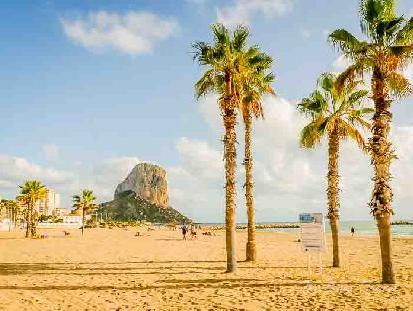
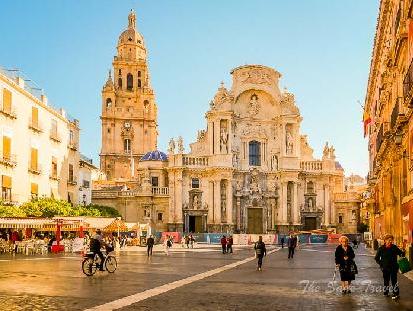
Alicante is situated on the eastern coast of Spain and serves as the capital of the province of Alicante in the Valencian Community. The city has a population of around 300,000 and recognises both Spanish and Valencian as its official languages, although Spanish is more widely spoken. With a history stretching back some 7,000 years, Alicante was conquered by King Alfonso X in 1246 and flourished in the 15th and 16th centuries through trade with South America. Historically an agricultural region from the 17th century to the mid-20th century, Alicante has since developed into a modern city with strong infrastructure, thanks in large part to the tourism boom of the 1960s. In addition, it serves as a convenient base for day trips to nearby destinations such as Murcia, Calpe, Novelda, Elche, Villajoyosa, Altea, and Guadalest.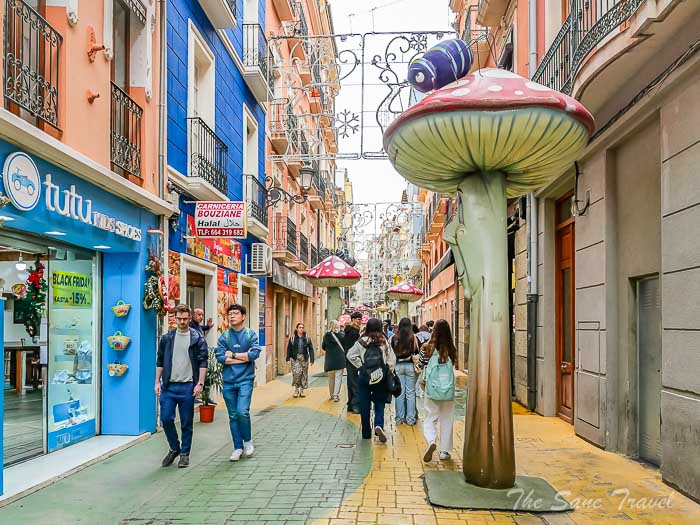
Visiting Alicante in winter
Alicante, a popular summer destination in Spain, is often overlooked as a great place to visit during winter. If you prefer a more relaxed holiday, consider going at this time of year, when temperatures average around 17°C and hotel rates are more affordable. You can enjoy leisurely walks along its palm-lined streets and sandy beaches wearing just a light jacket. Since many locals live in Alicante year-round, you will not have to worry about businesses closing for the winter season.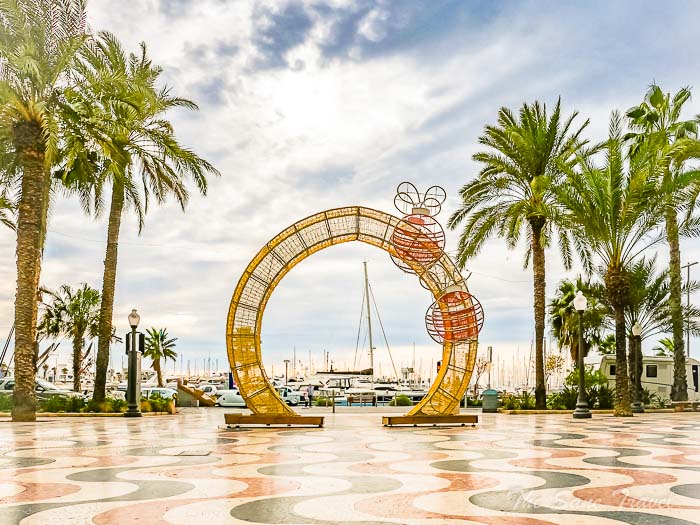 Personally, I have visited Alicante twice in November and would happily recommend visiting around that period as well. Let’s begin our winter walking tour at the bus station and make our way through Canalejas Park.
Canalejas Park
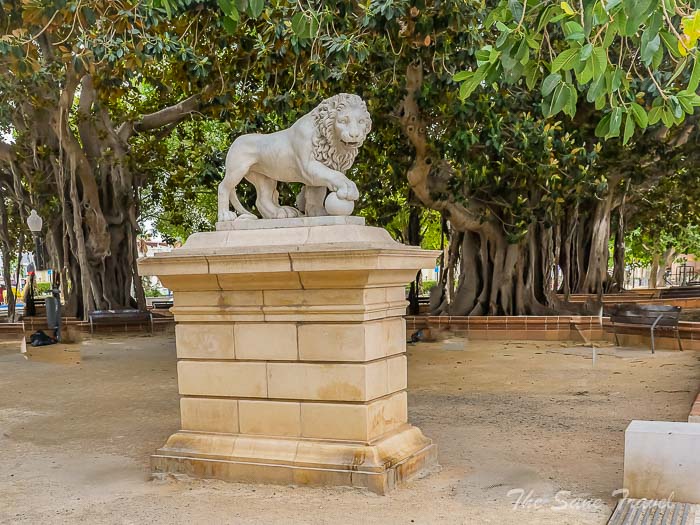
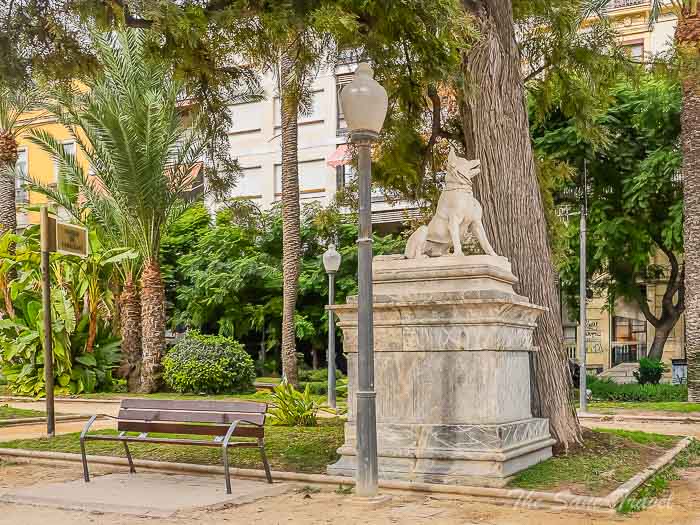
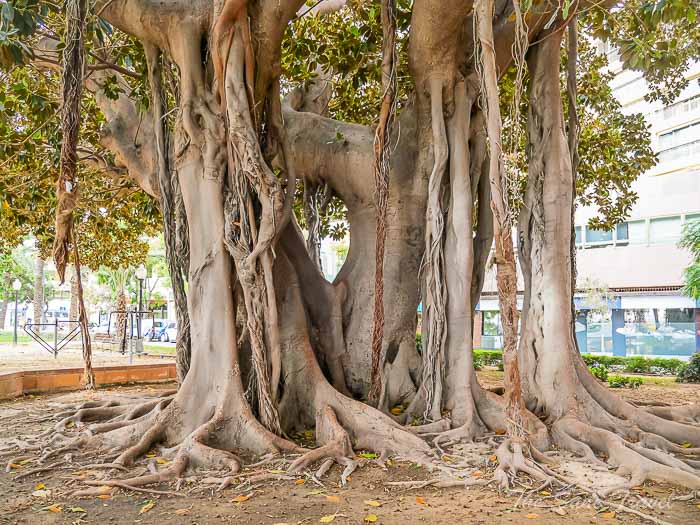
Canalejas Park in Alicante is a historic green space dedicated to José Canalejas, a prominent figure in Spain’s history. Designed by architect González Altés in 1886, the park is home to two impressive stone lions, donated by Manuel Pritz. Lined with century-old ficus trees, it offers a peaceful place for a leisurely stroll and a glimpse into the city’s history. The park sits close to Alicante harbour and connects directly to the iconic Explanada. Visitors can enter or exit through the grand gates, guarded by stone lions and dogs, and experience the tranquillity of this charming park. Its most striking feature is the majestic ficus trees, which enhance the park’s serene atmosphere.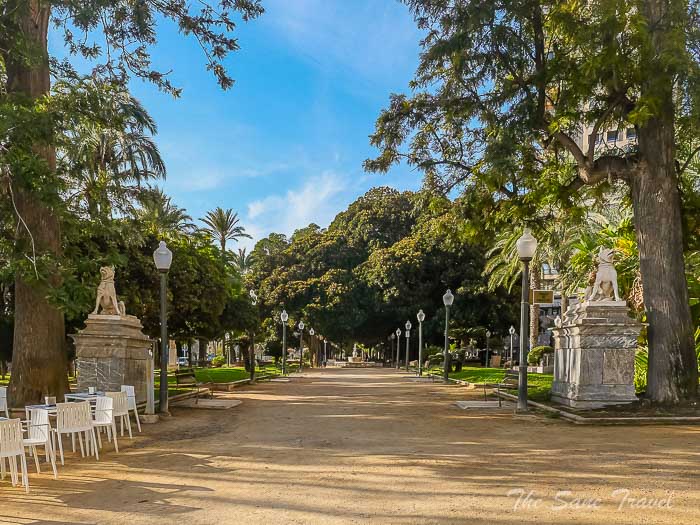
La Casa de las Brujas – House of the Witches
Designed in 1898, the mansion originally embodied the architectural elegance of the 19th century. In 1911, the building underwent expansion and renovation, during which a tower with Gothic features and Viennese-style windows was added, significantly altering its appearance and decoration. Over time, the structure fell into disrepair and earned the nickname “House of the Witches” due to years of neglect. It was renovated in 1990 for public use and currently serves as the Valencian government's headquarters in Alicante. The façade is particularly notable for its decorative elements featuring plant forms and animal figures typical of Modernism. While the interior is not usually open to tourists, it may be accessible during events such as “Open House Alicante” or cultural heritage days.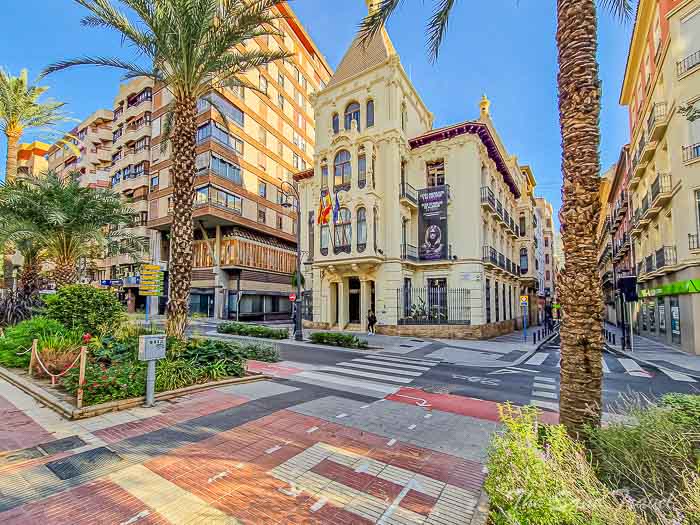
Address: Plaza de Calvo Sotelo, 1
Fountain of the Water Carrier
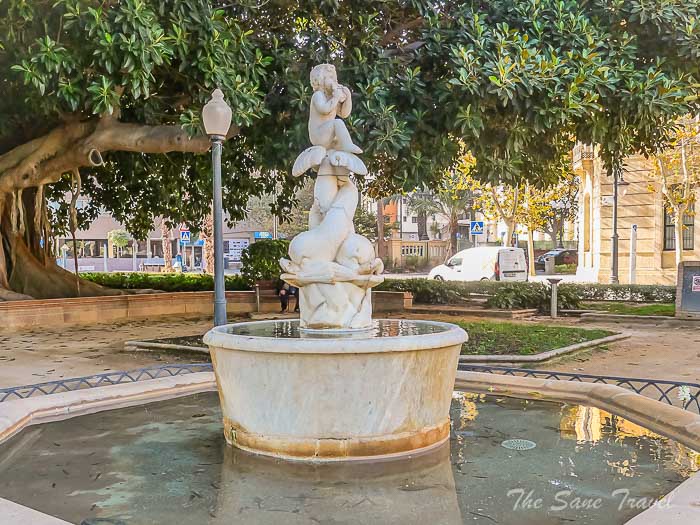
The Plaza de Gabriel Miró in Alicante is a peaceful and beautiful tribute to the writer Gabriel Miró. A notable feature of the plaza is the Fountain of the Water Carrier, La Aguadora, which was unveiled in 1918 to mark the introduction of drinking water in Alicante. The sculpture, designed by artist Vicente Bañuls, was inspired by Susana Llaneras Rico, a local woman who served as the muse for this iconic piece.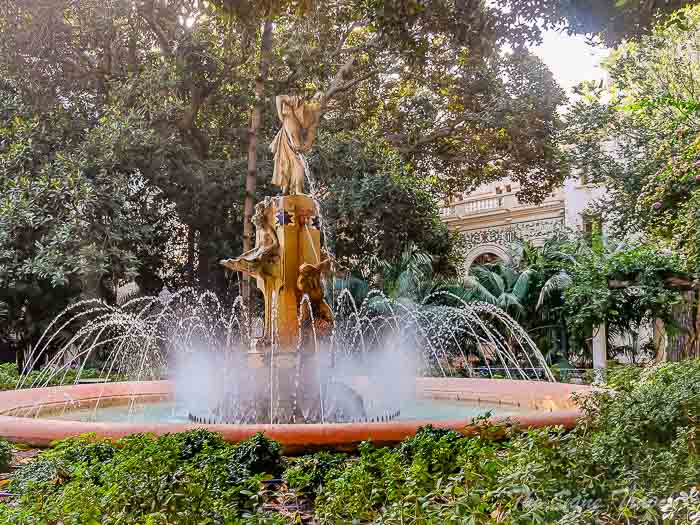
Canalejas Monument
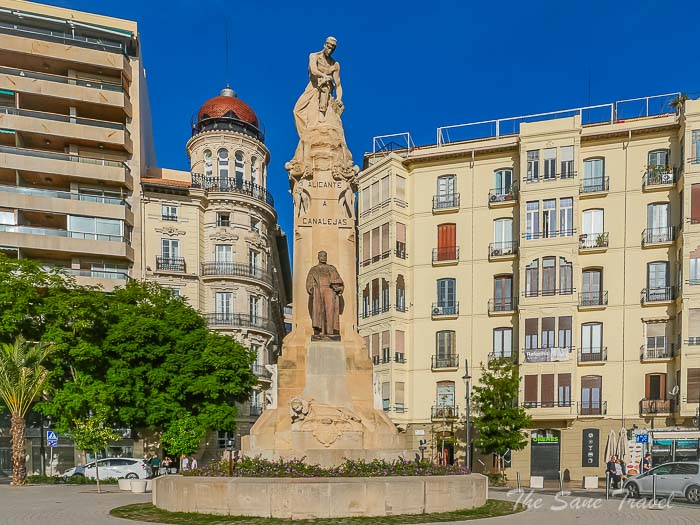
The monument, created by Vicente Bañuls Aracil between 1914 and 1916, is constructed of stone and bronze. It comprises a pedestal and a central quadrangular pillar, topped by a freestanding sculpture in the form of a spire. The four sides of the pillar feature two sculptures in the round and two bas-reliefs. The work is dedicated to José Canalejas Méndez, a Spanish politician who served as Prime Minister in 1910. Tragically, Canalejas’ promising career was cut short when he was assassinated by an anarchist in 1912.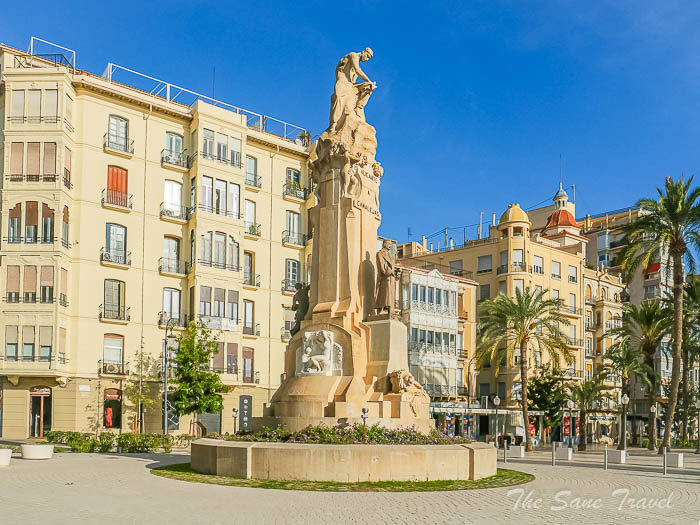
Explanada de España
The Explanada de España is widely recognised as the most popular pedestrian walkway in the city. Stretching nearly 600 metres, it runs along the port from Plaza Puerta del Mar to Parque de Canalejas. This impressive promenade, lined with tall palm trees and colourful mosaic tiles echoing the waves of the Mediterranean, is a delightful spot to enjoy Alicante’s coastal charm.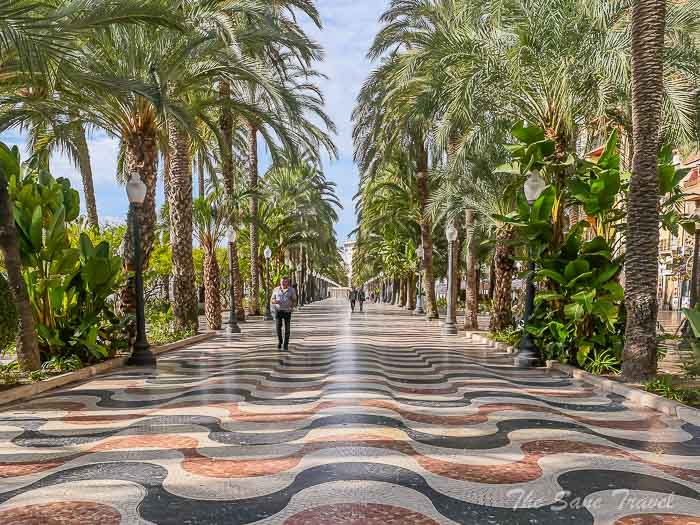
Casa Carbonell
Casa Carbonell is a well-known building in Alicante, situated at the end of the Explanada de España. Built in the 1920s by textile manufacturer Enrique Carbonell, it reflects the aspirations of the bourgeoisie of that era. The building boasts an ornate façade made from noble materials and offers stunning views. Divided into three sections with towers, the façade is characterised by a symmetrical, hierarchical design, with French-style decorations incorporating classical elements. High-quality materials such as sandstone, marble, iron, and glass were used in its construction. Casa Carbonell remains a prominent landmark in Alicante and is featured on many of the city’s tourist postcards.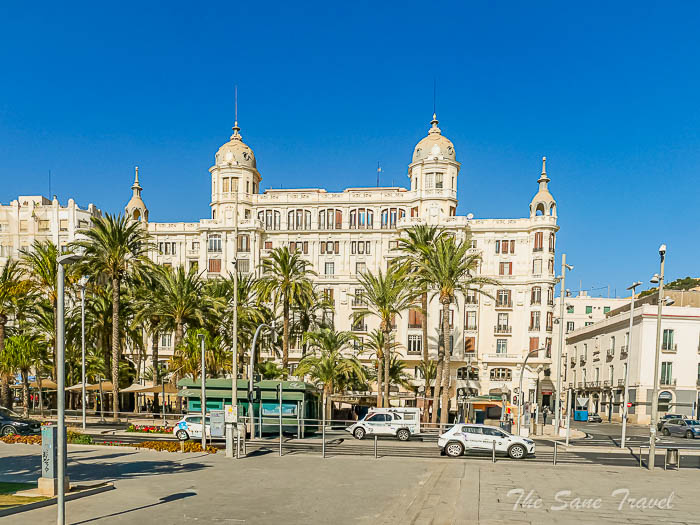
El Adivinador statue
Situated on Plaza Porta del Mar, El Adivinador is a renowned abstract sculpture in Alicante, created by sculptor Juan Ripollés. Known as The Diviner or Fortune Teller, the figure has become an iconic symbol of Alicante in recent years. Weighing four tonnes, the sculpture depicts a character with one hand outstretched, symbolising a playful outlook on the future, and the other resting on the chin in contemplation of time – past, present, and future.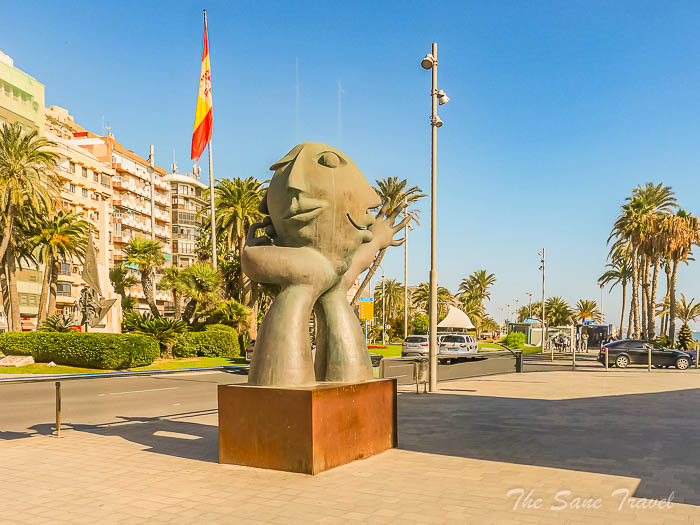
Santa Bárbara Castle
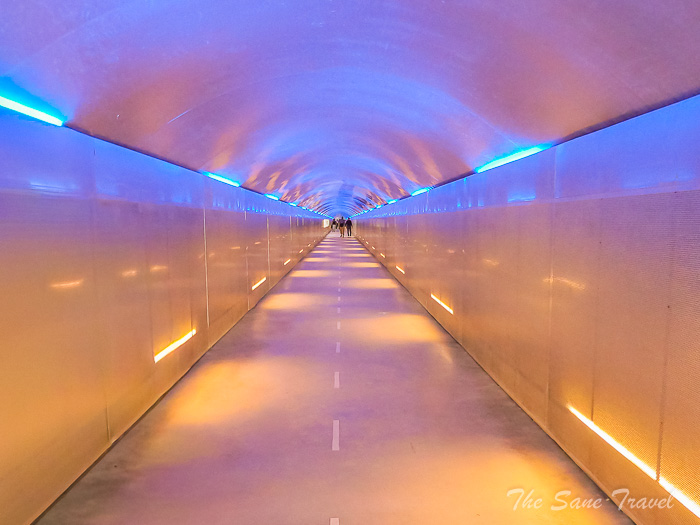
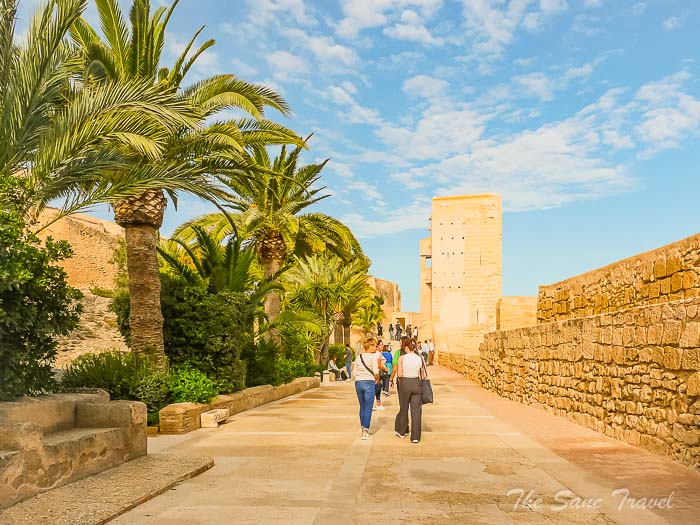
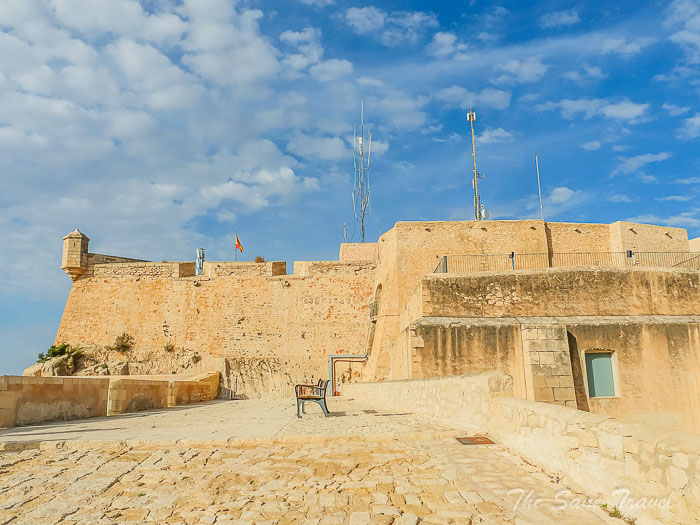
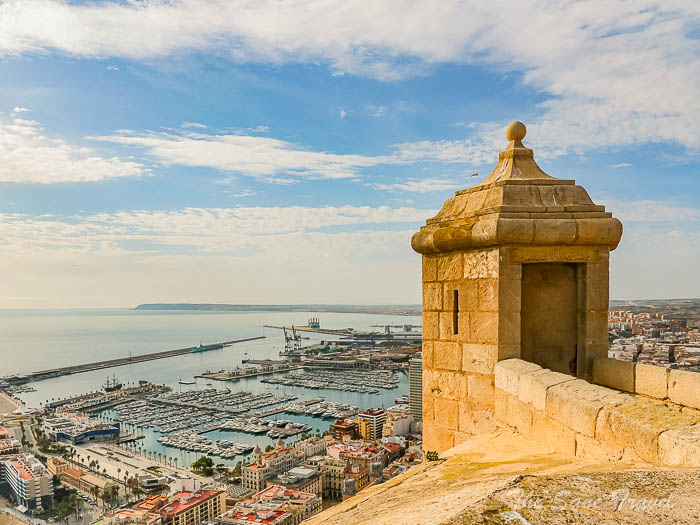
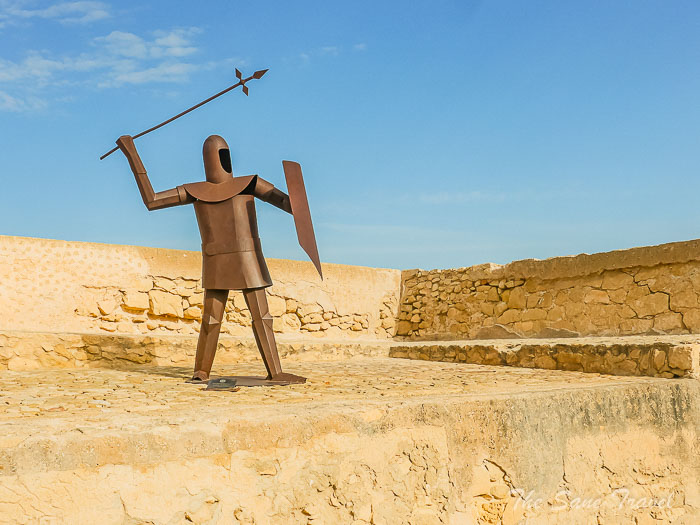
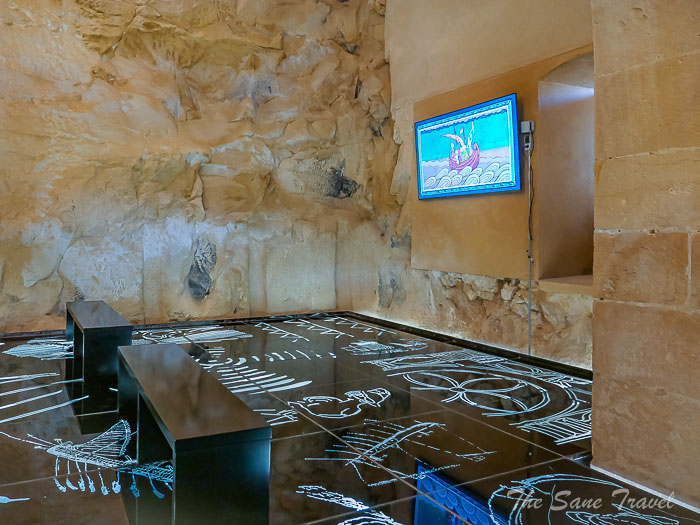
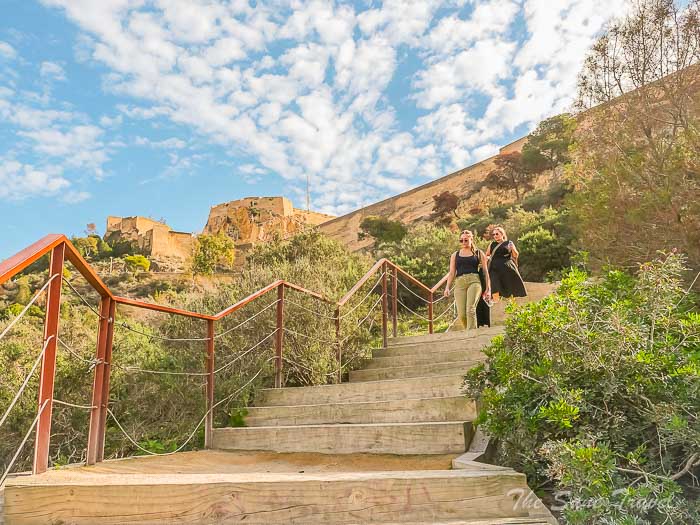
Santa Bárbara Castle, perched on Mount Benacantil, has served as a strategically important site for various civilisations throughout the centuries. The castle has undergone numerous repairs and expansions over the centuries, with the most intensive fortifications taking place in the 16th century in response to attacks by Berber pirates and the Turkish fleet. In the 18th century, it was transformed into a modern fortress with the addition of new buildings and an artillery platform. Over time, the castle lost its military significance and was eventually opened to the public in 1961 as a Historic-Artistic Monument. Visitors can explore the castle grounds, enjoy panoramic views of the city and surrounding area, and learn about its history through a museum and video presentation. For the best experience, take the elevator up and walk back down.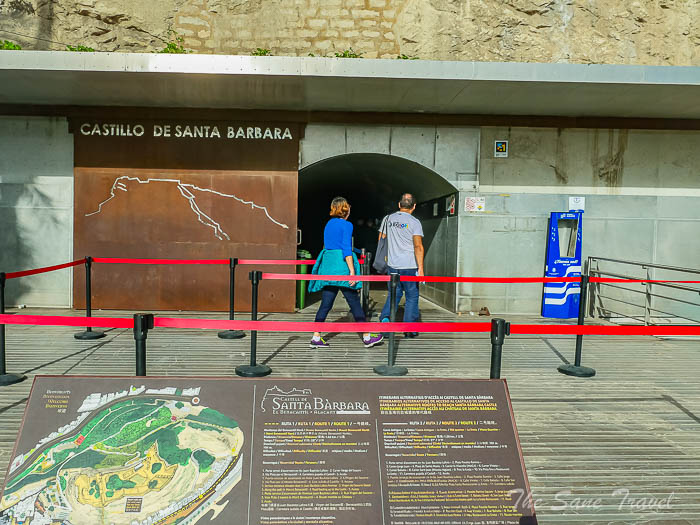
Santa Cruz neighbourhood
Nestled on the hillside of Mount Benacantil, just beneath Santa Bárbara Castle, the Barrio de Santa Cruz in Alicante is a historic and charming neighbourhood. Its narrow streets are lined with whitewashed houses decorated with colourful tiles, flowers, and bright blue doors and windows, showcasing traditional Mediterranean architecture. Once inhabited by fishermen and artisans, this neighbourhood has retained its authentic character over the years. Strolling through its streets feels like a journey into the past, where a peaceful, picturesque atmosphere unfolds alongside stunning views of the city and the sea. The area’s most popular attraction is the Casita de las Macetas Azules, though exploring Calle de San Antonio for other houses and visiting the Mirador de Santa Cruz is equally recommended.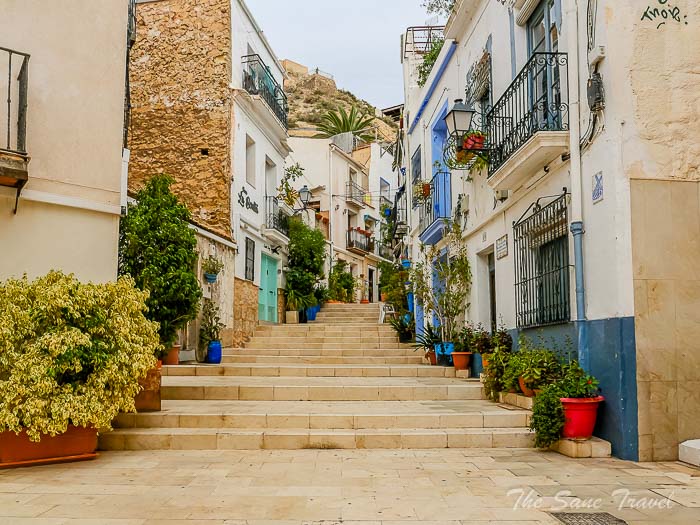
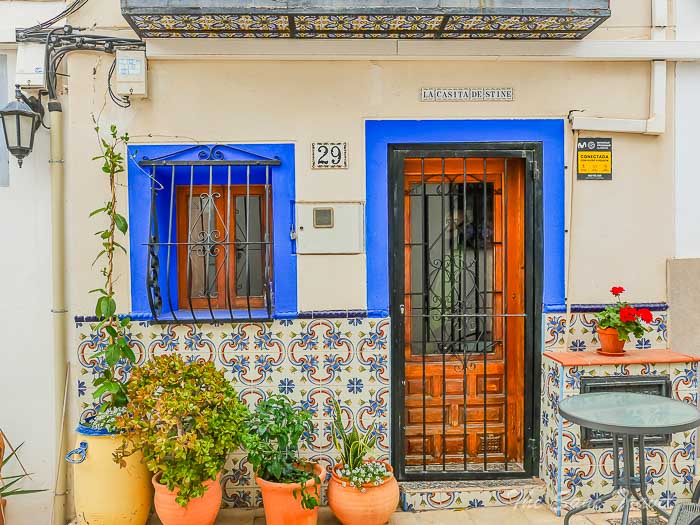
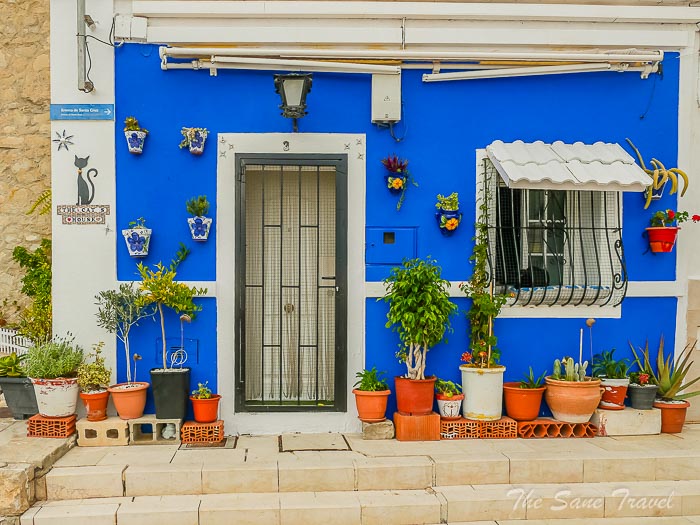
The Little House with the Blue Flowerpots, also known as Casita de las Macetas Azules, is a quaint two-storey house. The charming, colourful appearance of its walls, adorned with numerous blue ceramic flowerpots, makes it a popular spot for photos. The house’s most distinctive feature is the abundance of blue pots hanging from the walls and balconies, adding a splash of colour and creativity. Expect large crowds if you plan to visit.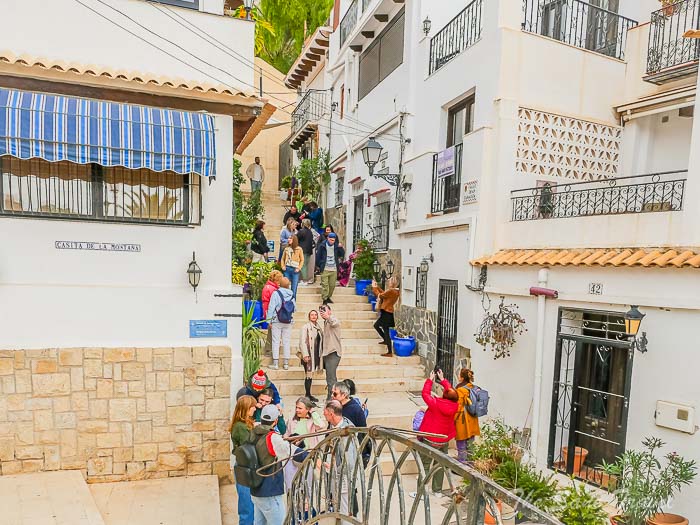
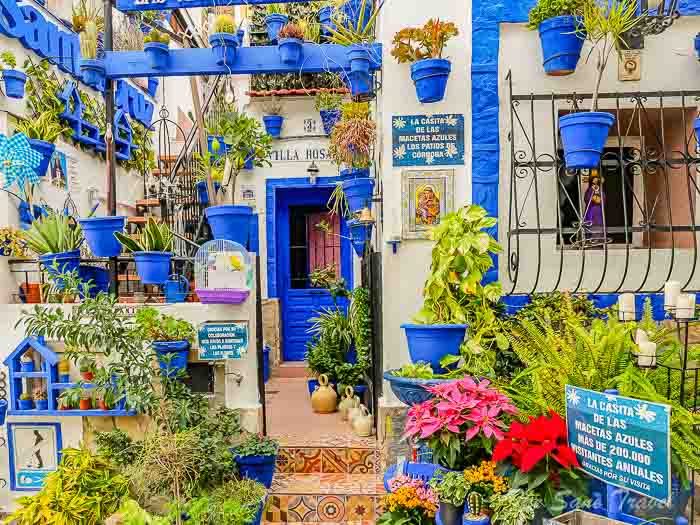
Address: C. Dean Zaragoza
Mirador de Santa Cruz
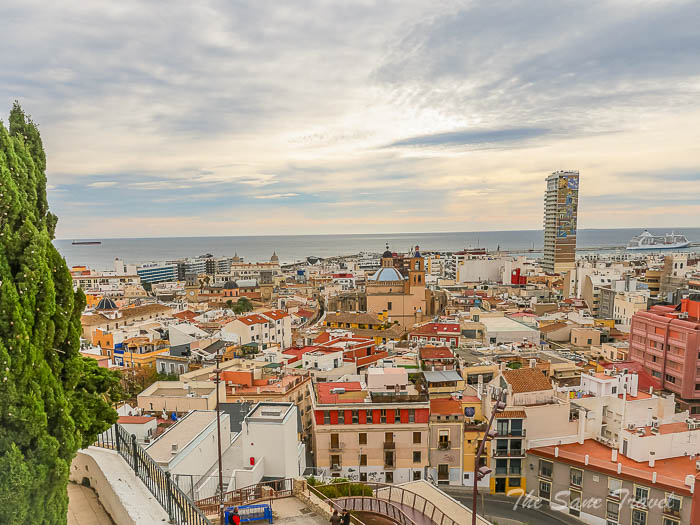
The Mirador de Santa Cruz, situated in the Santa Cruz neighbourhood, offers stunning panoramic views of the city. From its elevated position, visitors can enjoy breathtaking vistas of both the city and the sea.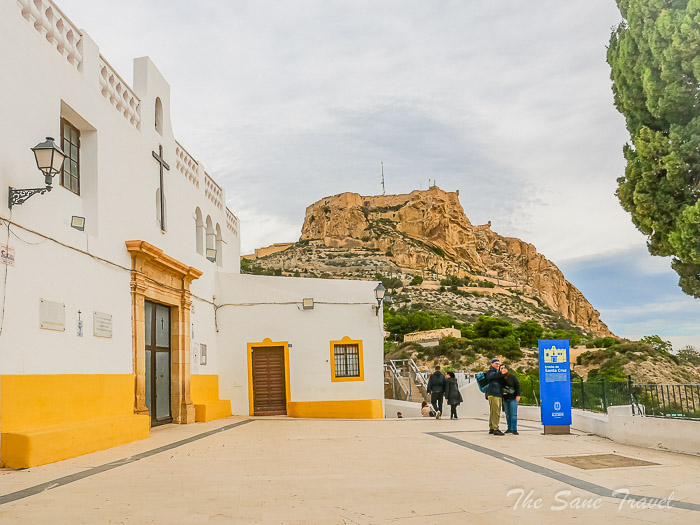
Alicante City Hall
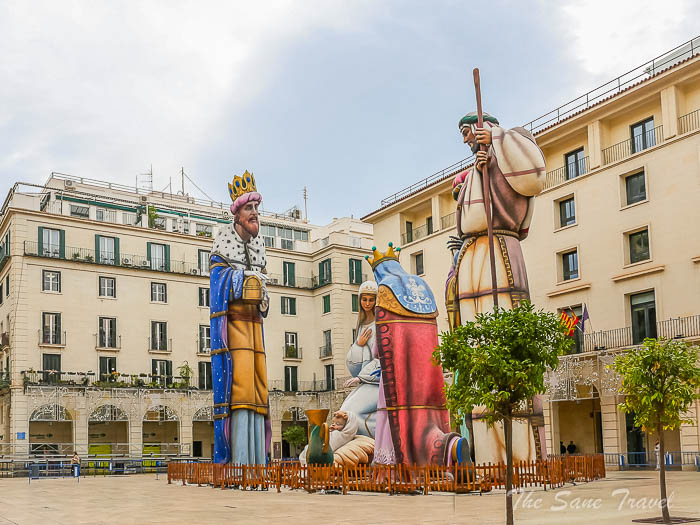
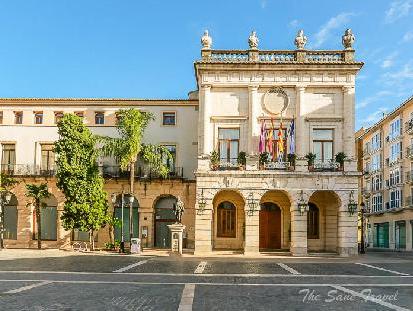
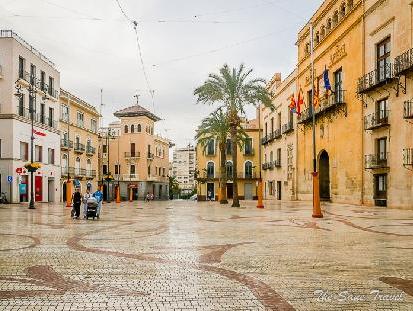
The Alicante City Hall, designed by architect Lorenzo Chápuli in the Baroque style during the 18th century, is a notable building with decorative elements such as Solomonic columns and two towers. The three-storey structure, topped with a balustrade, is open to the public, allowing visitors to explore the communal rooms free of charge. Just outside, City Hall Square features water jets known as the 'Dancing Waters' and restaurants with pleasant terraces beneath the colonnade. During Christmas, the square hosts a monumental Nativity Scene recognised by the Guinness World Records.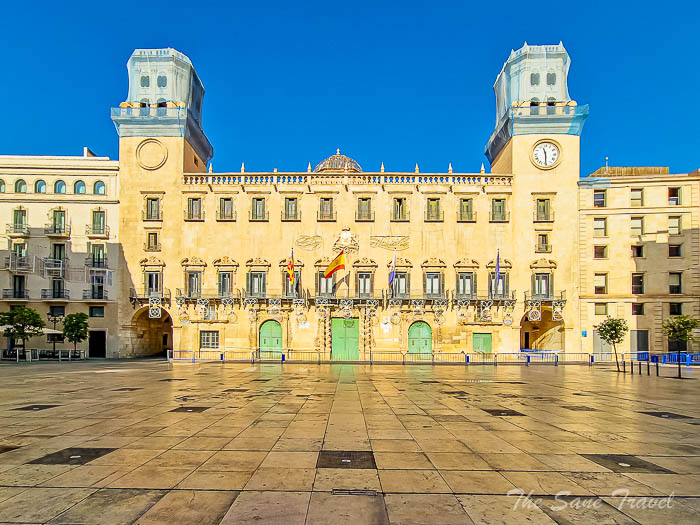
Co-Cathedral of Saint Nicholas
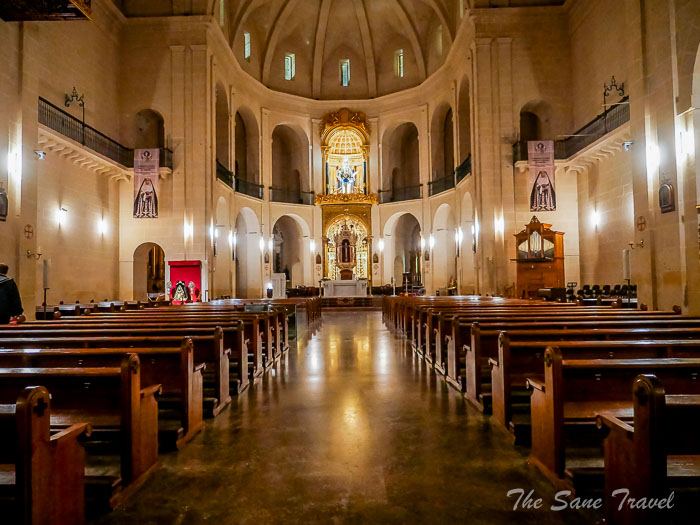
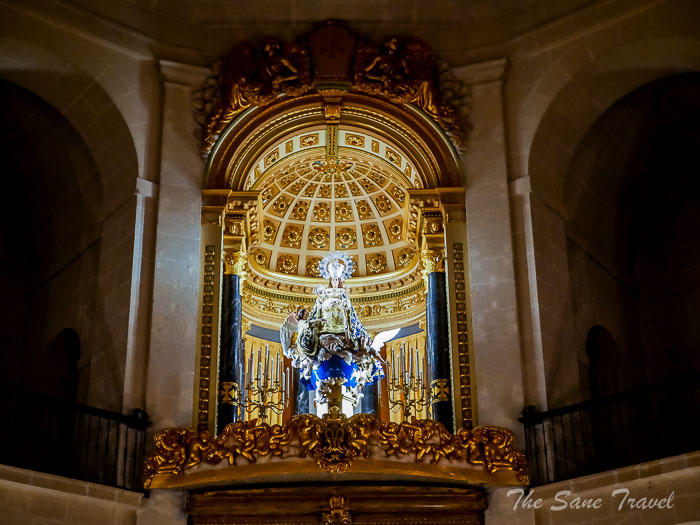
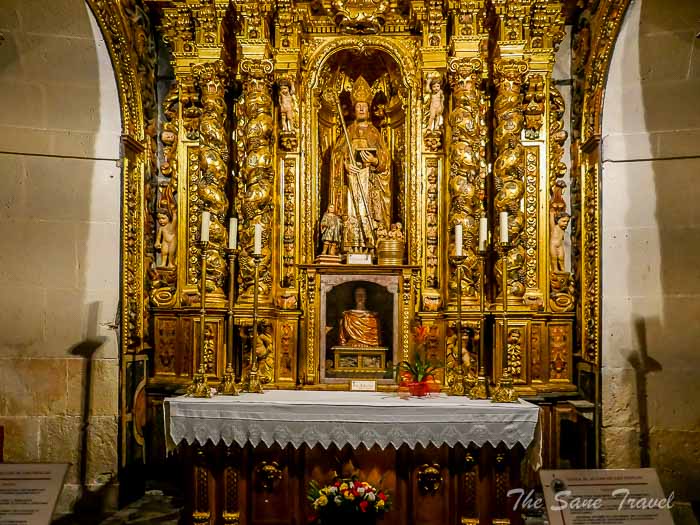
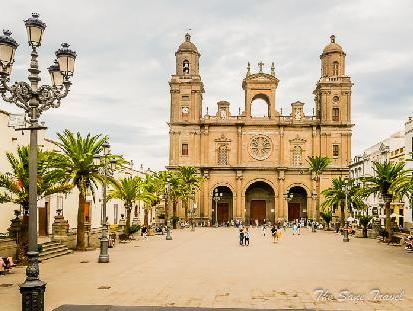
The Co-Cathedral of Saint Nicholas of Bari, part of the Diocese of Orihuela-Alicante, is dedicated to Saint Nicholas and was elevated to cathedral status in 1959. It was constructed in the 17th century on the site of an old mosque and honours the city’s patron saint. The cathedral’s exterior is simple, with Doric and Ionic order façades on the east and south sides. It follows a Latin cross plan with short transepts, six side chapels, and an ambulatory around the apse. A 45-metre blue dome crowns the crossing, and the Chapel of the Holy Communion, designed as a small Greek cross temple, is a notable example of Spanish Baroque architecture.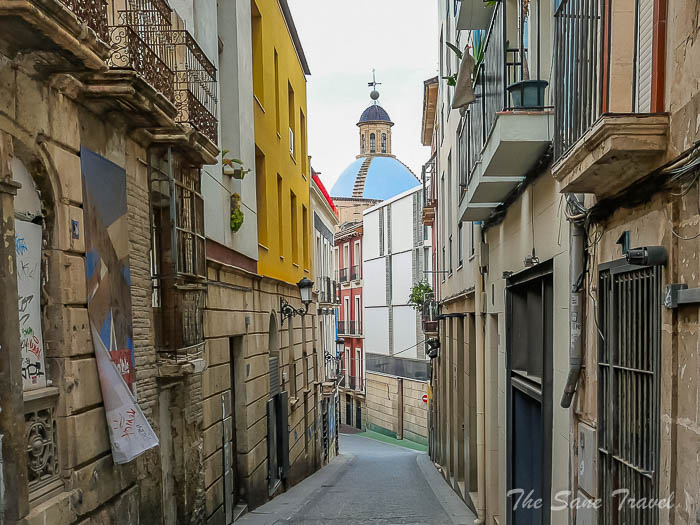
Teatro Principal
Teatro Principal, located in Plaza de Ruperto Chapí in Alicante, is the city’s main theatre. Designed by architect Emilio Jover, it opened in 1847. Throughout the year, the theatre hosts a wide range of performances, including plays, cultural events, concerts, dance productions, and operas.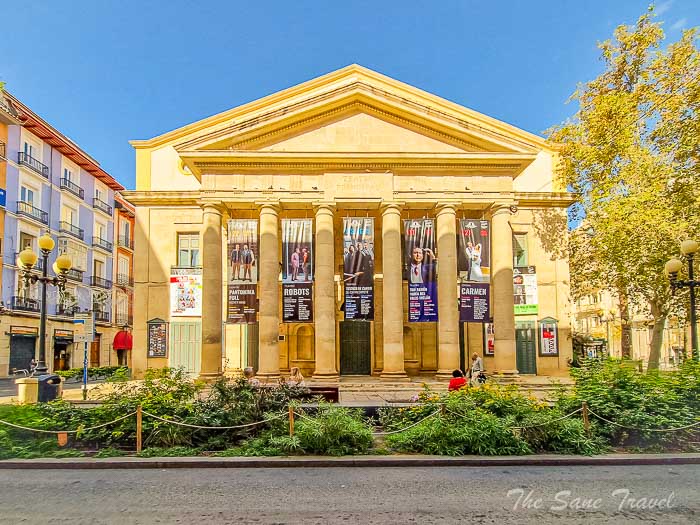 Nearby, a statue of Ruperto Chapí pays tribute to the renowned composer, whose influence on Alicante’s cultural scene is undeniable. Born in Villena, near Alicante, Ruperto Chapí y Lorente (1851–1909) was a Spanish composer and one of the founders of the Spanish Society of Authors and Publishers. His extensive body of work includes symphonic, band, choral, and chamber pieces, as well as zarzuelas and operas, cementing his reputation as one of the most popular and significant composers of his era.
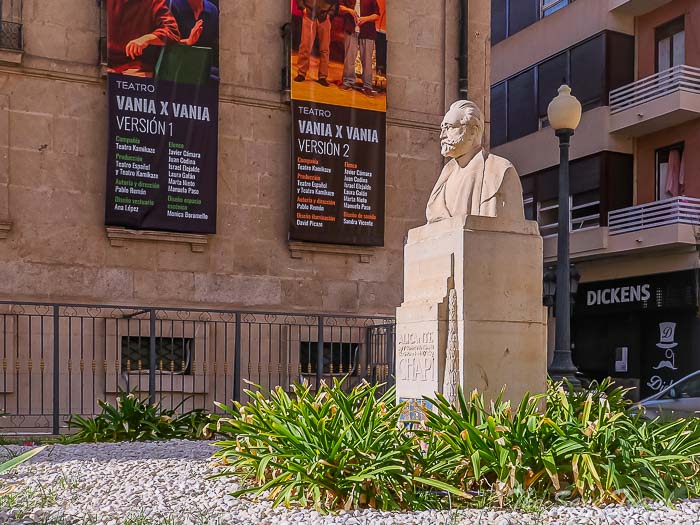 Address: Plaza Ruperto Chapi.
Every year, the Christmas tree is put up on Avenida de la Constitución, by the Teatro Principal, at the end of November.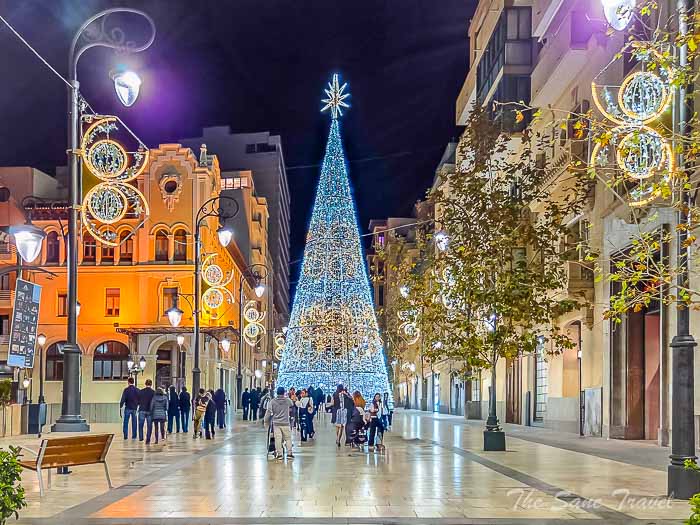
Central Market
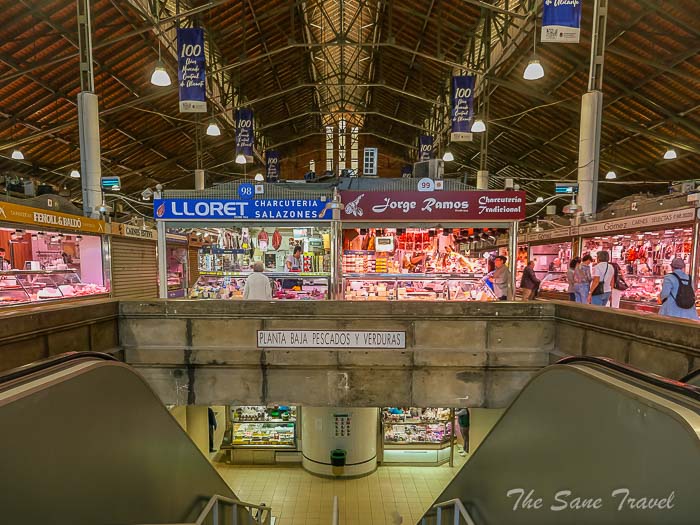
Opened in 1921, the Central Market boasts an eclectic façade and serves as a lively hub where the scents and flavours of Alicante’s cuisine are on full display. It is an ideal place to experience the city’s culinary traditions. Visitors with a passion for food will appreciate the wide range of produce on offer, including fresh fruit and vegetables, seafood, meats, and local cheeses.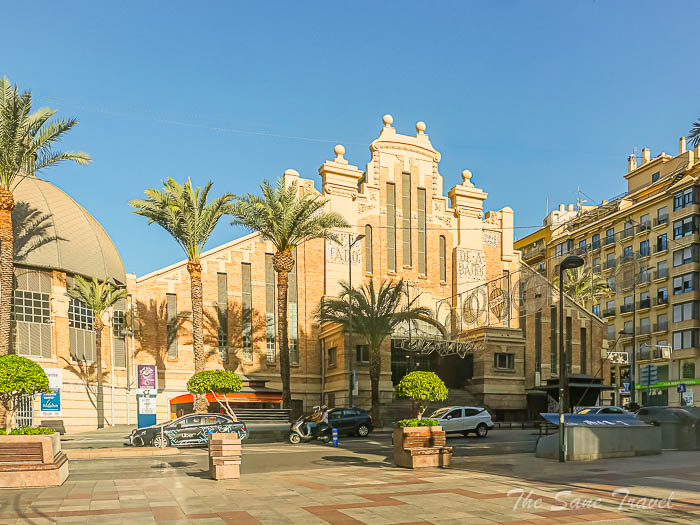

Address: Avenida Alfonso X El Sabio
Suiters Building
The Suiters Building near Central Market features a green vertical garden façade that is well worth admiring. Green façades are becoming increasingly popular in sustainable urban building design, and the Suiters Building in Alicante is a fine example of this trend. Its vertical garden not only enhances the building’s aesthetic appeal but also helps to lower the ambient temperature by around 2.2 degrees centigrade, reducing the need for air conditioning and cutting energy consumption.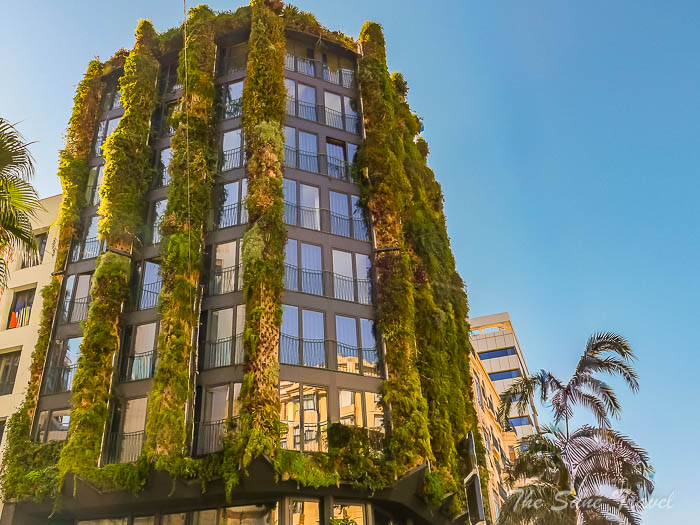
Address: Av. Alfonso El Sabio, 7
Rubén Hernández’s store
After exploring the food markets, you might fancy a bit of light retail therapy. Alicante Central Market sits at the heart of the shopping area, where you will find a wide range of independent shops and boutiques. I visited Rubén Hernández’s shop and was captivated by the traditional dresses on display. Rubén Hernández comes from a family with a strong background in sewing. He began his career as a couture designer at a young age, opening his first atelier in Alicante at only 20. Every wedding and party dress is carefully handcrafted in his atelier, and his designs grace the pages of top fashion magazines and the red carpets of both national and international events, making him a sought-after designer among celebrities.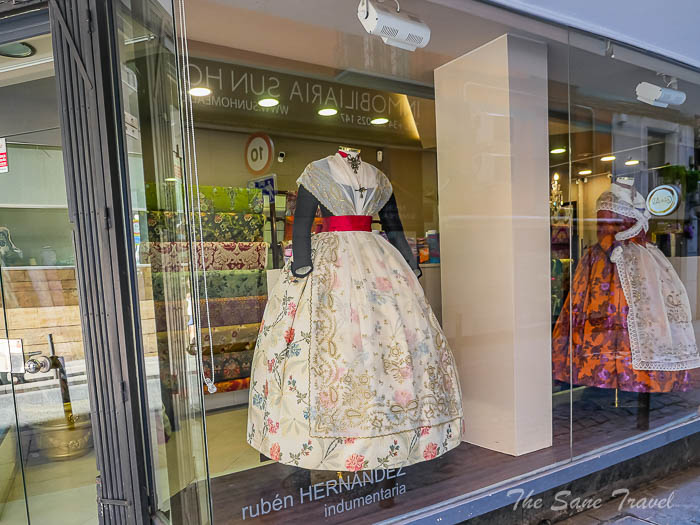
Address: C. Bazán 49
Mushroom Street
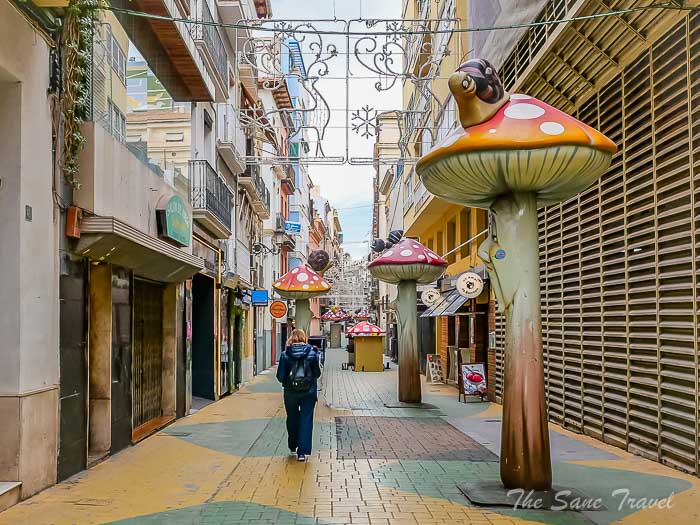
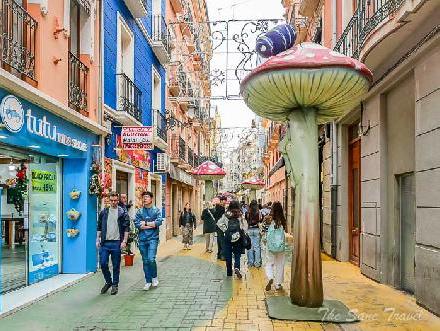
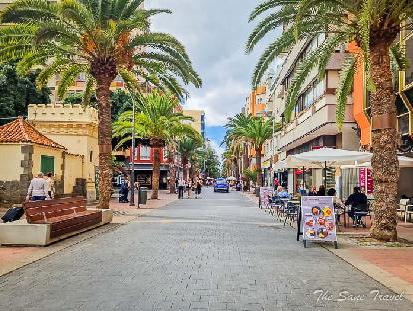
Calle San Francisco runs from Portal de Elche to Plaza de Calvo Sotelo in the city centre. In late 2013, Alicante’s mayor, Sonia Castedo, commissioned artist José María Escrivá to decorate the street with large mushroom sculptures. Since then, the street has often been called Calle de las Setas (Mushroom Street) and has become a popular and well-visited area of the city.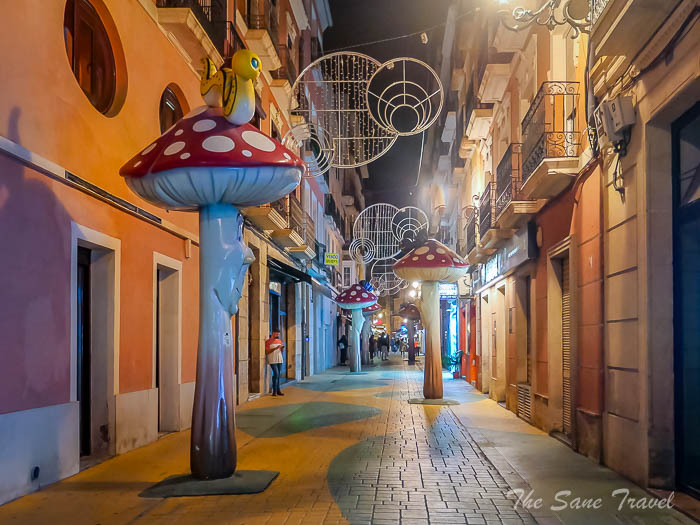
Tasting local dishes in Alicante
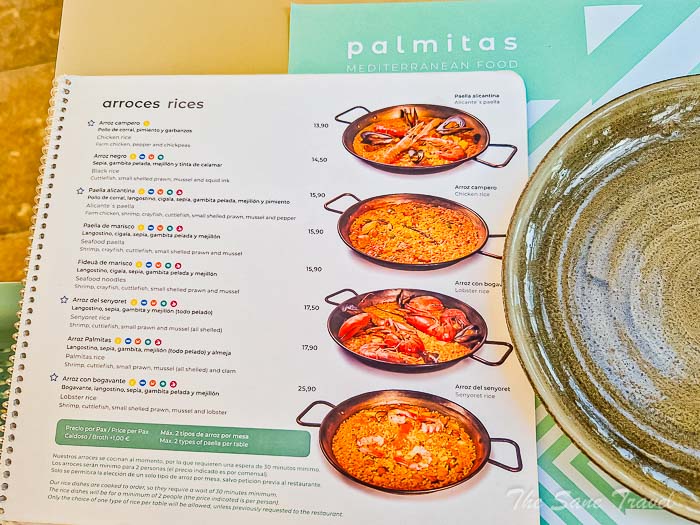
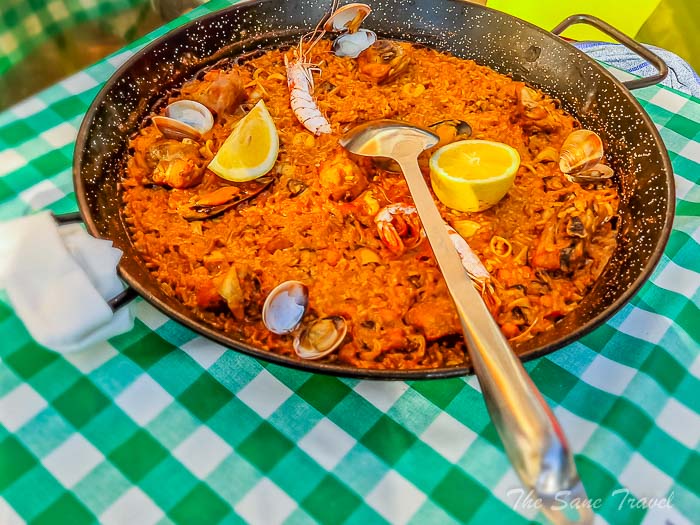
If you come across a restaurant in Alicante serving paella, it is often better to try a different establishment. In Alicante, rice dishes are usually listed under the Arroz section and named accordingly. The city’s signature dish is Alicante-style rice, highly valued by locals and visitors alike. Some popular variations include Arroz a banda (fish and seafood rice) and Arroz con conejo y caracoles (rice with rabbit and snails). The latter is cooked with tender chunks of rabbit and snails, resulting in a rich, satisfying dish for meat lovers. Rice with duck, mushrooms and artichokes is another local favourite. Arroz negro con sepia y gambas (black rice with cuttlefish and prawns) is both visually striking and delicious. For an authentic experience, try eating directly from the paella pan if the restaurant allows it. Note that most restaurants serve dishes for two, so if you are dining alone, it is worth asking about single portions. 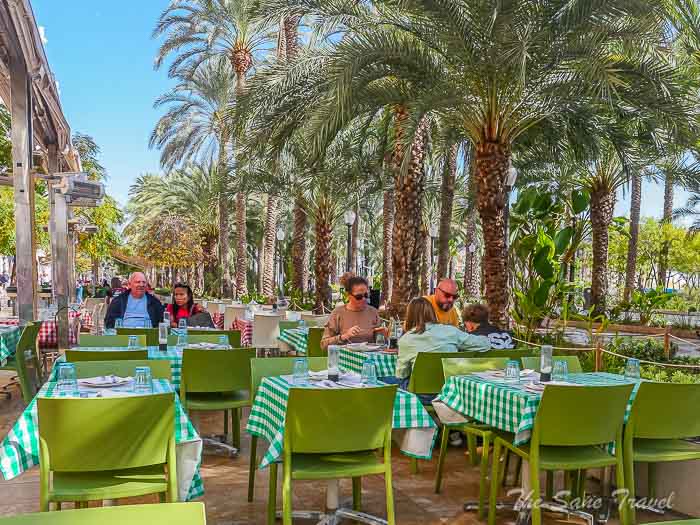
Where to stay
Eurostars Centrum Alicante
This 4-star hotel is situated in the city’s commercial and entertainment hub, close to both the bus and train stations. Additionally, it is conveniently located near the esplanade, marina, and beach, with easy access to the fairgrounds and the city centre. Alicante Airport is around 15 kilometres away. The hotel offers a cafeteria, a bar, and a restaurant, perfect for a meal in a pleasant setting. The cosy, spacious rooms feature calming colours and are equipped with all the essential amenities to ensure a comfortable, enjoyable stay.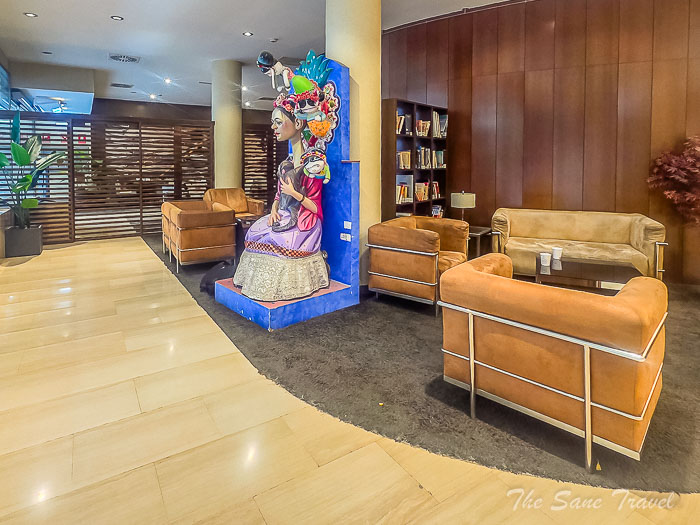
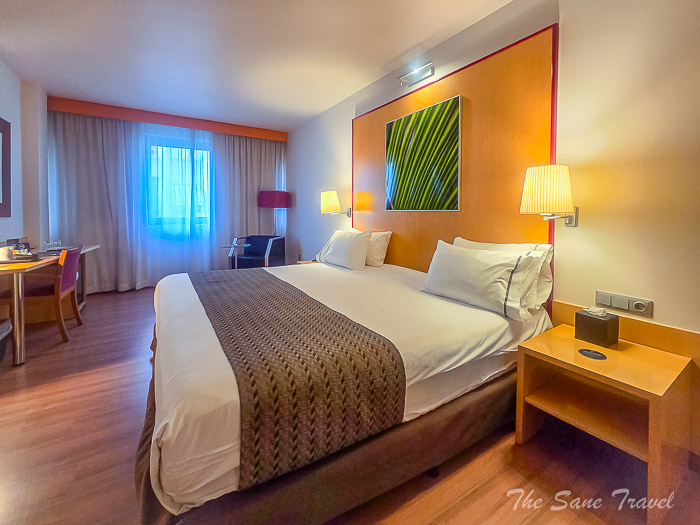
Address: Calle del Pintor Lorenzo Casanova, 33–35
How to get to Alicante
Alicante is served by Alicante–Elche Airport, the main gateway to the city and the surrounding Costa Blanca region. The airport is just 12 kilometres from Alicante’s Old Town by road. Bus number C6 offers a convenient way to reach the city, with tickets available for purchase on board. The bus stops at both the bus and train stations, providing easy connections for travellers heading onwards.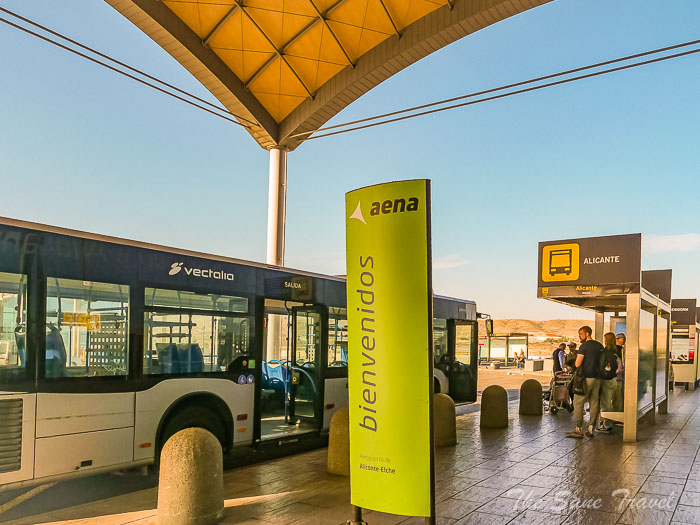
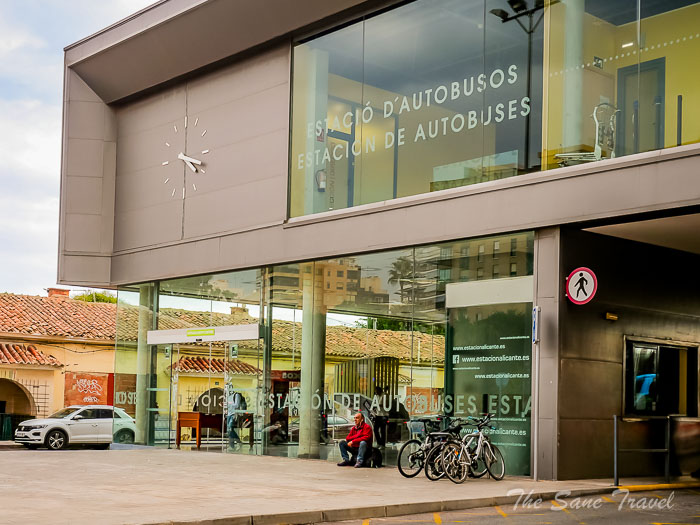
Practical information
Set aside two days to explore the locations listed in this guide at a leisurely pace. While it is technically possible to complete the tour in a single day, doing so may feel rushed. The attractions are arranged in a logical order for easy exploration on foot. Be sure to review the local events calendar to stay informed about exciting events happening in Alicante during the winter season.
The first map shows the walking route from the bus station to the castle elevator station.
The second map shows the walking route from the castle to Calle San Francisco.
Like it? Pin it! 
What did you think? Have you been to Alicante? I would love to hear from you, so please add your comment below.
Author: Anita Sane

About the author
Anita is a part-time traveller, passionate photographer and a retired career woman from Latvia, travelling mostly solo for more than 15 years. She is a skilled travel planner who plans and executes her travels by herself. Anita wants to show you how to travel the world and open your mind to new experiences. Follow her on Facebook, Instagram, Pinterest, Twitter and Bloglovin.


Valerie
Report
My comments