
Exploring Ikara-Flinders Ranges National Park in South Australia allows visitors to experience an extraordinary outback landscape shaped over the past 600 million years. Beyond its iconic landmarks, including Wilpena Pound and red-earth gorges, the park is also a place of deep Indigenous cultural significance. Regarded as one of Australia’s premier travel destinations, it is perfect for outdoor enthusiasts and anyone who appreciates nature. Be sure to check out my 48-hour road trip itinerary to help you make the most of your visit to this remarkable region.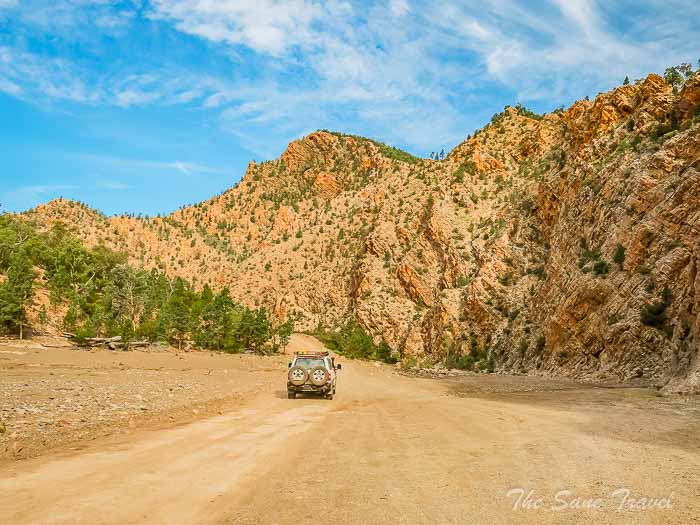
Ikara-Flinders Ranges National Park
Located 400 kilometres north of Adelaide, Ikara-Flinders Ranges National Park encompasses a variety of natural attractions accessible via gravel roads and walking trails. The landscape is characterised by folded quartzite and sandstone ranges, including the Heysen Range, the Elder Range, and the famous Wilpena Pound natural amphitheatre. These mountains were formed during the Cambrian period, around 540 million years ago, and have been shaped by erosion into dramatic landscapes. Covering approximately 95,000 hectares, the park is home to diverse wildlife, remarkable geological formations, and sites of significant Indigenous cultural heritage. It also offers opportunities for camping, bushwalking, four-wheel driving, birdwatching, photography, and mountain biking.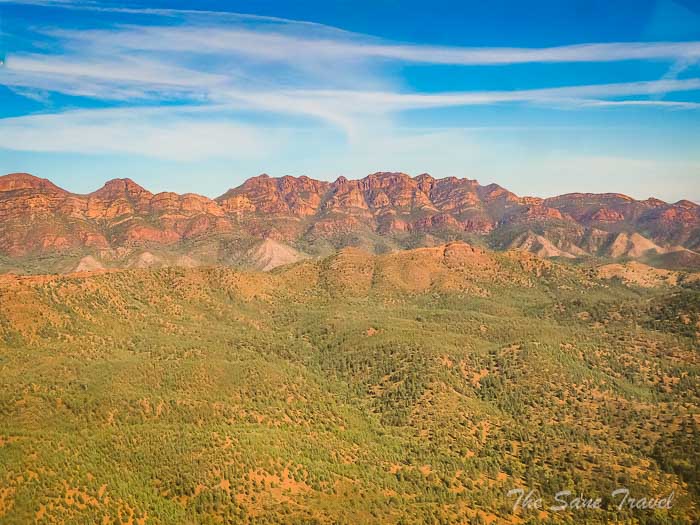
Wilpena Pound
Wilpena Pound resembles a massive meteorite impact crater or a volcanic caldera, yet it was actually shaped by geological forces and millions of years of erosion. The mountain ranges we see today originated as sediment deposits around 1,400 million years ago and have since been sculpted by extensive weathering and erosion. This has created the sandstone and quartzite ridges that rise above the softer valleys, forming the distinctive landscape of the Wilpena area. St Mary Peak, the highest point in the Flinders Ranges, is located on the eastern rim of Wilpena Pound. Once used as an enclosure for livestock by early pastoralists, Wilpena Pound holds deep cultural significance for the Adnyamathanha people, who refer to it as Ikara, meaning “meeting place”.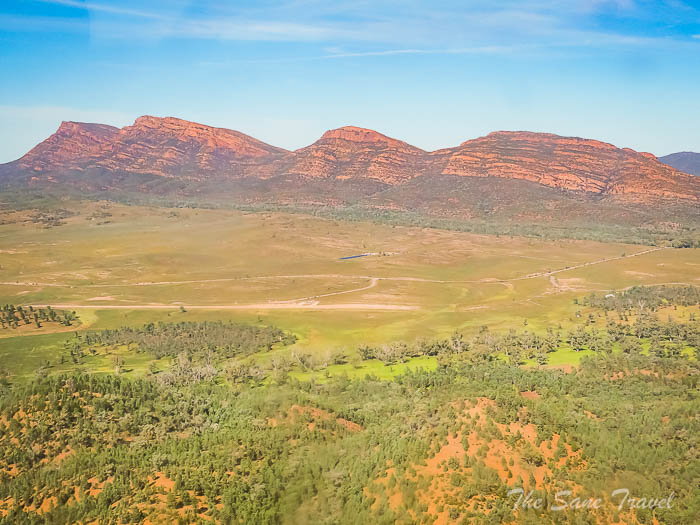
Day 1
Arrive at Discovery Resorts - Wilpena Pound in the afternoon and check in. Purchase a ticket for the scenic flight on Day 3 at the tourist information centre. Stay overnight at the resort.
Discovery Resorts - Wilpena Pound
Discovery Resorts - Wilpena Pound is the only accommodation option within Ikara-Flinders Ranges National Park. Guests can choose to stay in self-contained accommodation and take advantage of the resort’s restaurant, bar, and outdoor swimming pool, or opt for camping at one of the designated campgrounds. For added convenience, permanent tents equipped with beds and electricity are available for rent. Other amenities include a general store and a tourist information centre.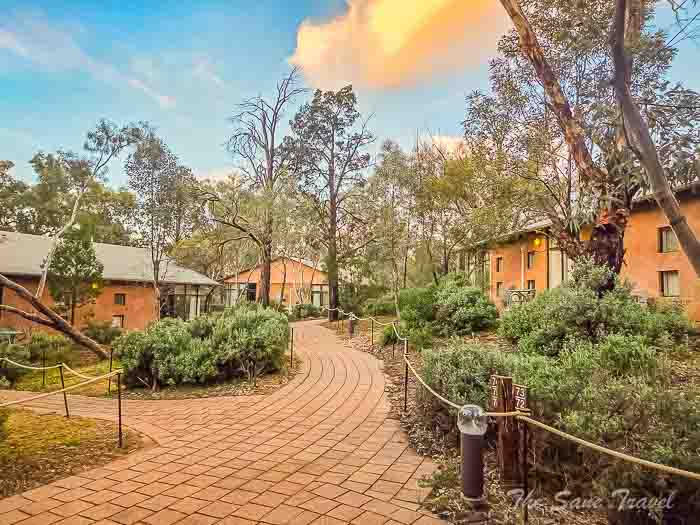
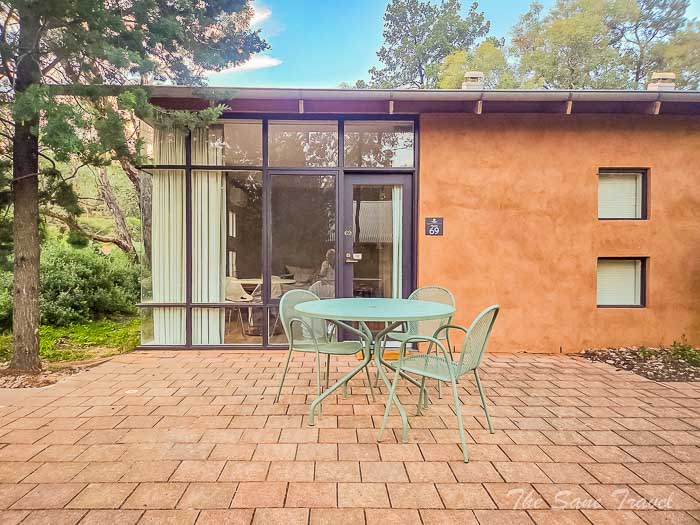
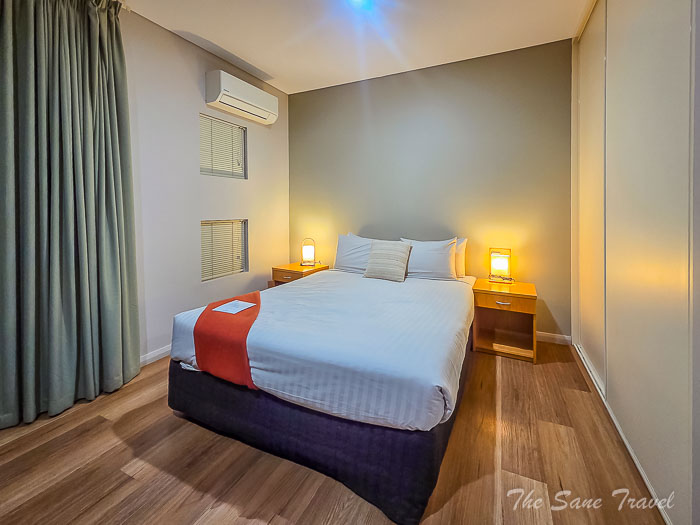
.JPG)
Day 2
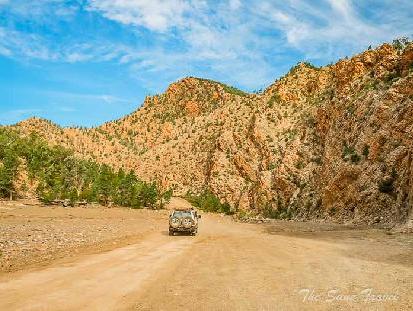
Day two of our Flinders Ranges adventure is all about hitting the road and exploring the stunning Ikara-Flinders Ranges National Park. Get ready for a 200-kilometre self-drive using the map I have provided as we explore the incredible stops along the way. Around 85 kilometres of the route are paved, with the remainder consisting of gravel roads.
1. Cazneaux Tree
Our first stop is the iconic Cazneaux Tree, a magnificent River Red Gum (Eucalyptus camaldulensis) standing proudly about 3 kilometres north-east of Wilpena Pound Resort. This remarkable tree was immortalised in 1937 by photographer Harold Cazneaux, whose famous photograph “The Spirit of Endurance” captured its enduring spirit. Reaching 29 metres in height, with a base circumference of 11.4 metres, the tree is a powerful symbol of resilience, rising above the otherwise flat, arid plateau. Cazneaux later described it in May 1941 as “a giant gum tree standing in solitary grandeur on a lonely plateau in the arid Flinders Ranges”. 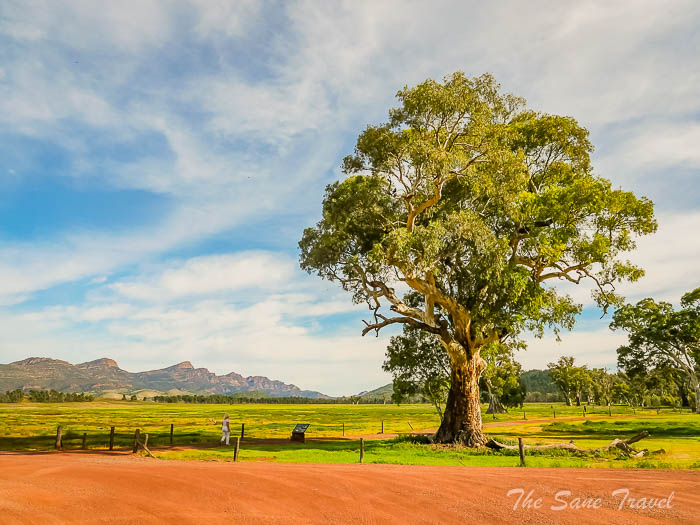
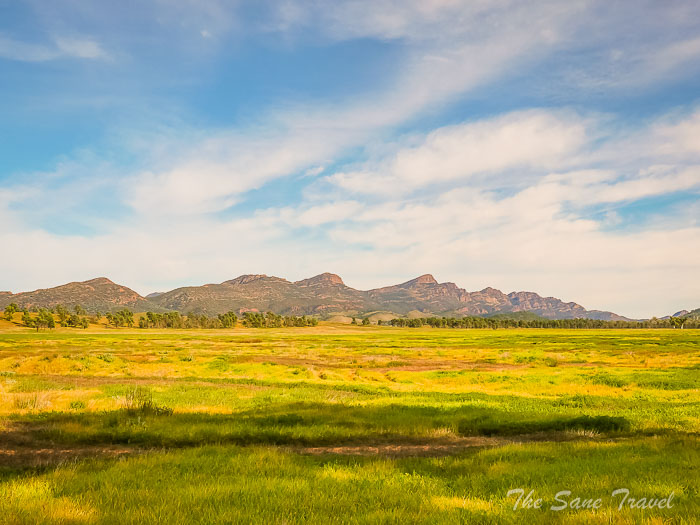
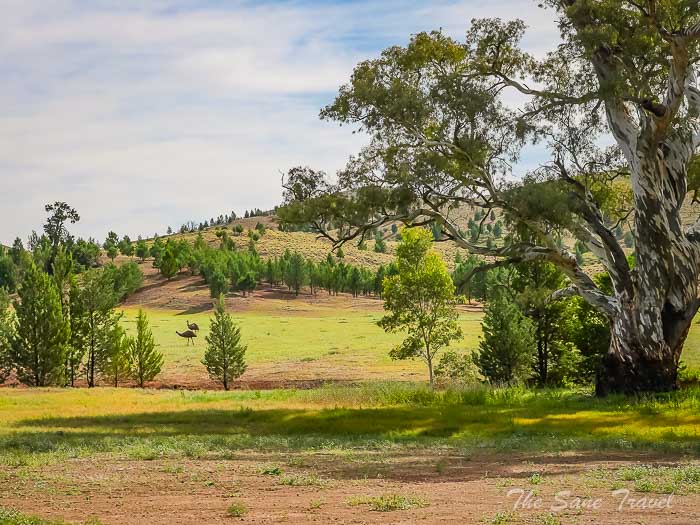
From here, you can follow the 1.5-hour Spirit of Endurance Trail, which retraces Cazneaux’s photographic journey while he camped in the area with his family. The trail also honours the remarkable resilience of the Adnyamathanha people and their deep connection to Country.
2. Bunyeroo Gorge and Razorback Lookout
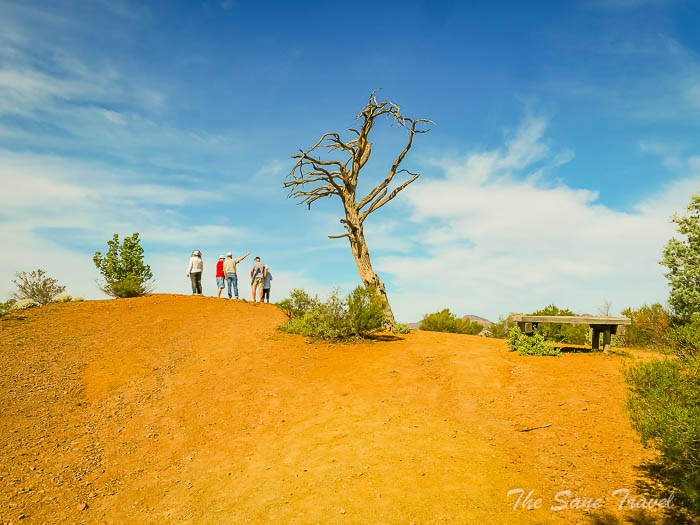
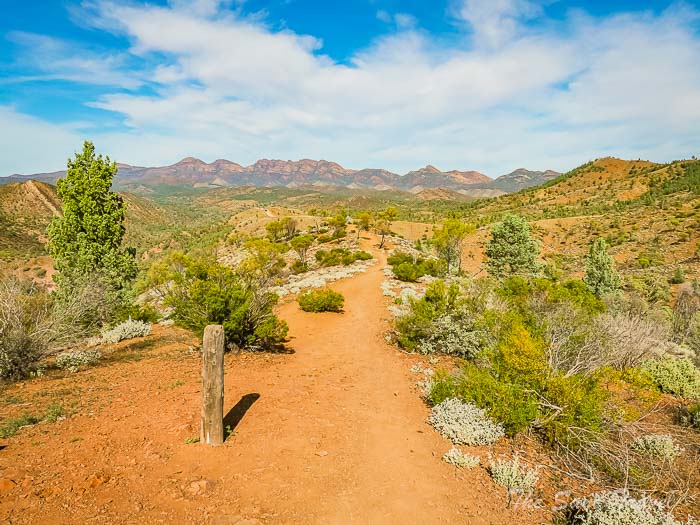
Heading north from Wilpena Pound, our journey takes us through Bunyeroo Gorge, a spectacular landscape featuring towering River Red Gums. A highlight of Bunyeroo Gorge is the iconic Razorback Lookout, which offers sweeping views of Wilpena Pound. It is truly a fantastic spot for both scenic drives and outback hiking. Razorback Lookout is renowned as one of the most spectacular viewpoints in the central Flinders Ranges and was included in the South Australian Government’s “12 of the best views in South Australia’s national parks”. Interpretive signage at the lookout identifies St Mary Peak in the Heysen Range (Akurra Yardi) and explains the geological history of Bunyeroo Valley.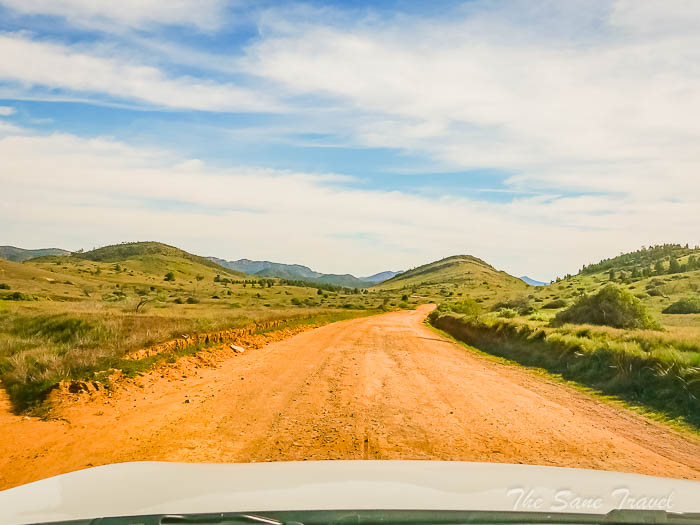
3. Twin Gums Lookout
Continuing along the Bunyeroo Gorge Scenic Drive, we arrive at Twin Gums Lookout.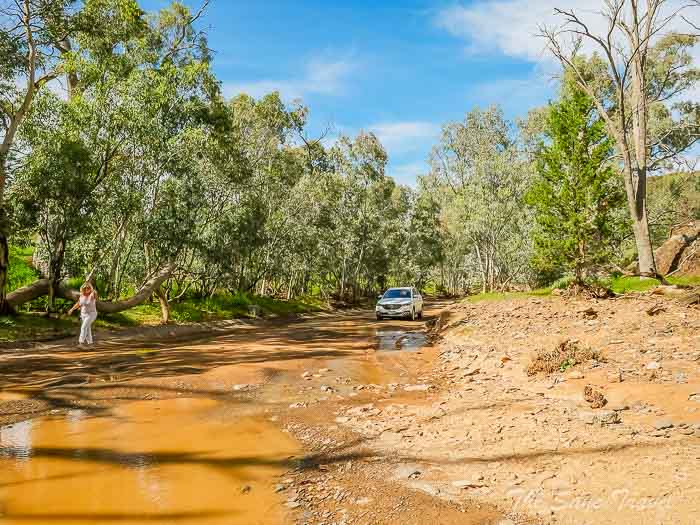
This scenic vantage point is named after the two massive River Red Gums that majestically frame the road. It provides excellent photo opportunities and is a perfect spot to pause and take in the scenery as you drive through rugged hills, deep gorges, and the tranquil Acraman Campground.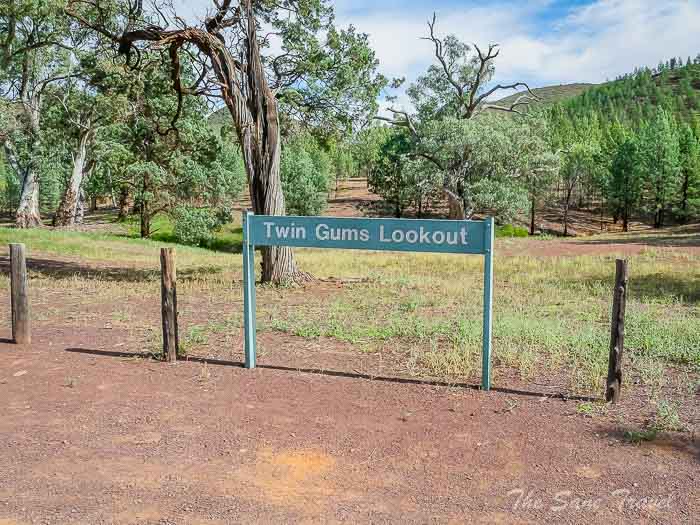
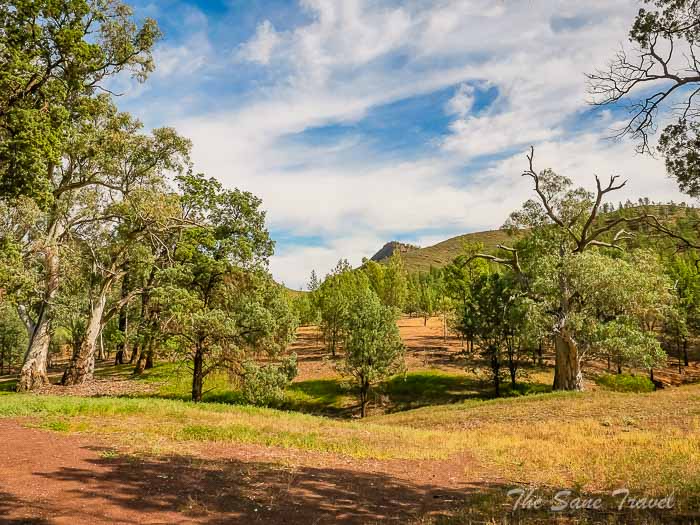 Continue driving until you reach the intersection and then make a right turn towards Blinman.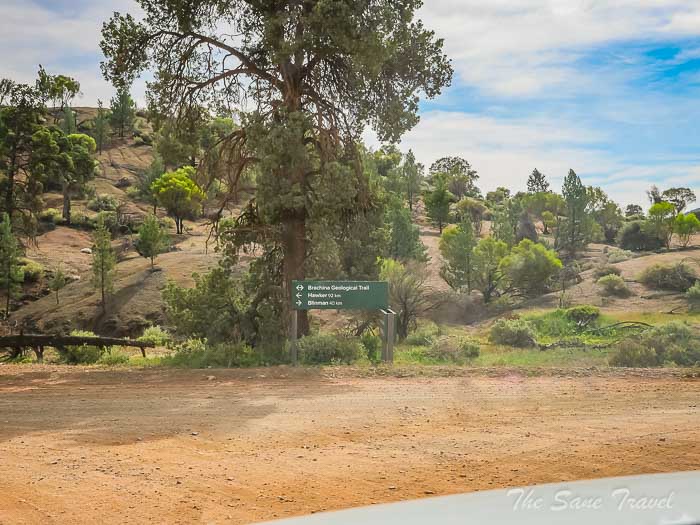
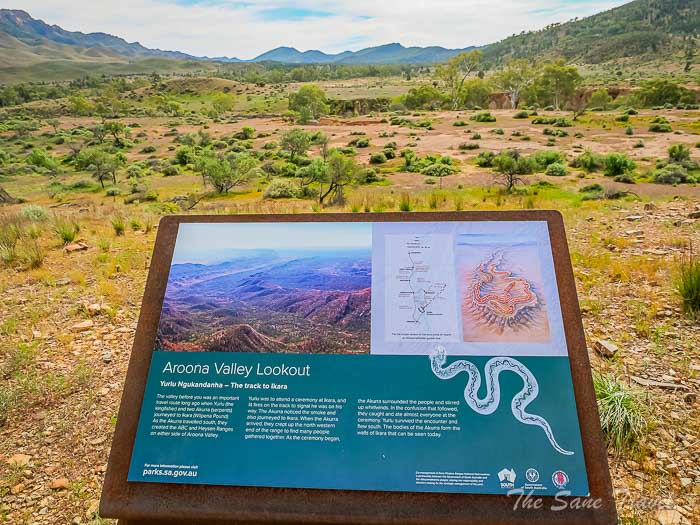
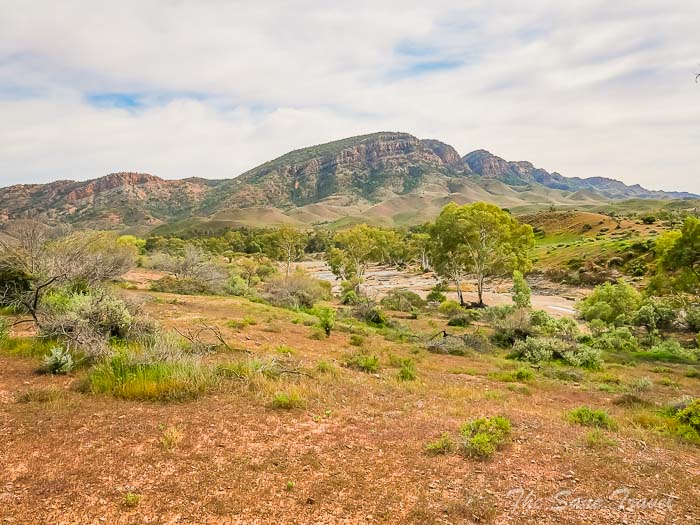
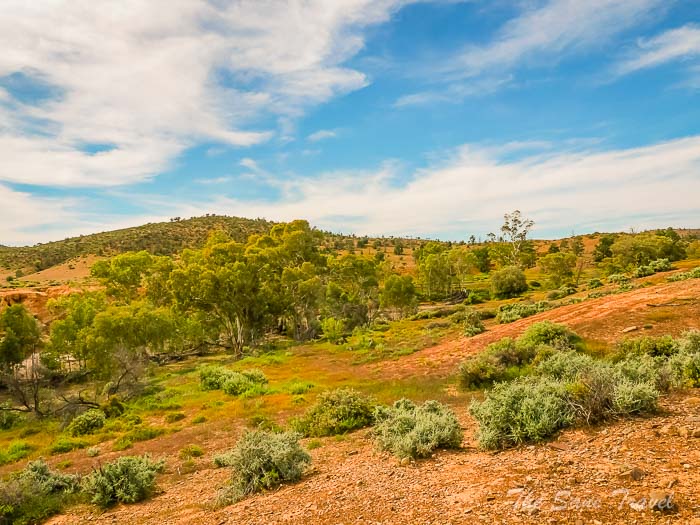
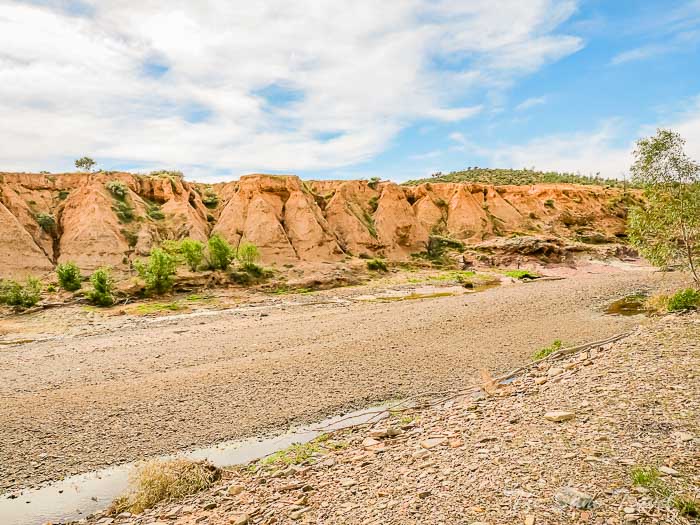
4. Aroona Valley Lookout
After this fascinating stop, we make our way towards Blinman, with a short detour to the Great Wall of China.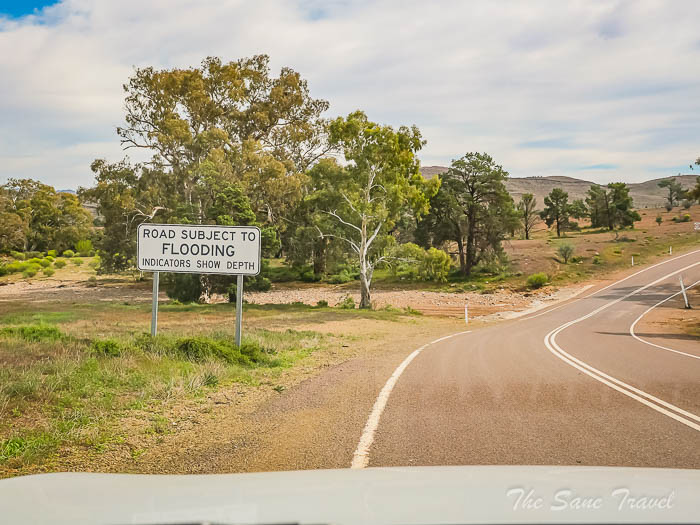
5. Great Wall of China
Just outside the park, on the road between Wilpena and Blinman, lies an easily overlooked geological wonder: a rocky ridgeline known as the Great Wall of China. This striking natural formation of pale quartzite and ironstone derives its name from its long, narrow ridge, which, when viewed from a distance, bears a remarkable resemblance to the famous Chinese landmark.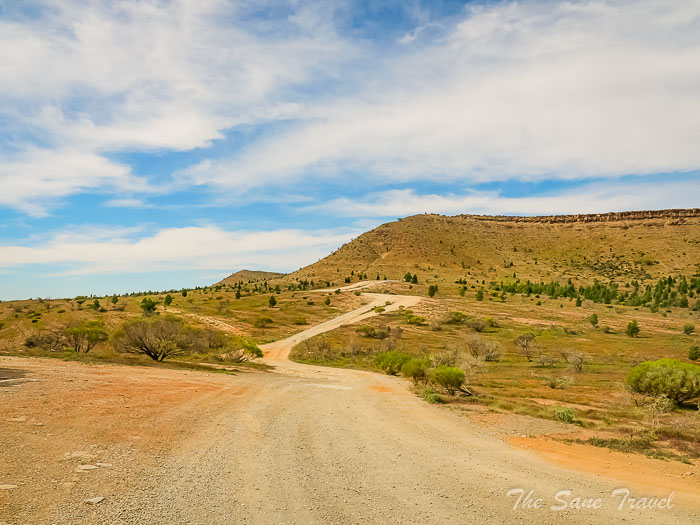
6. Blinman
In the latter half of the 19th century, the historic township of Blinman, located 50 kilometres north of Wilpena, was a thriving copper mining centre with a population of around 1,000. Today, some of the charming pug-and-pine huts and stone buildings built near the old mines still stand. If you have time, consider taking a tour of the mines. I did not get the chance myself, but I have heard they are fascinating.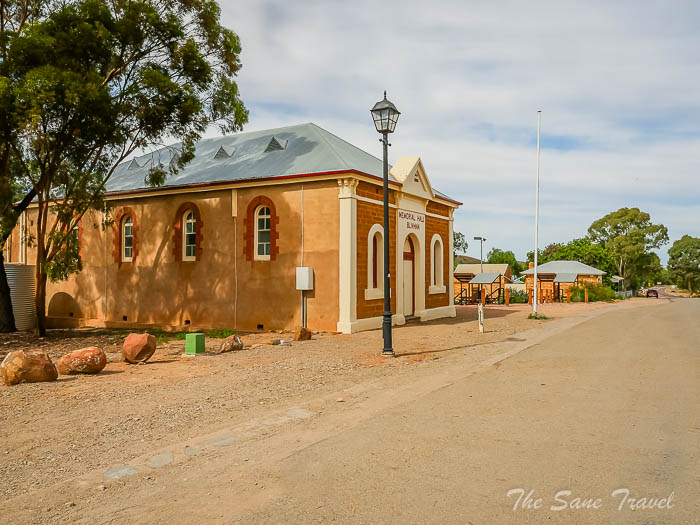
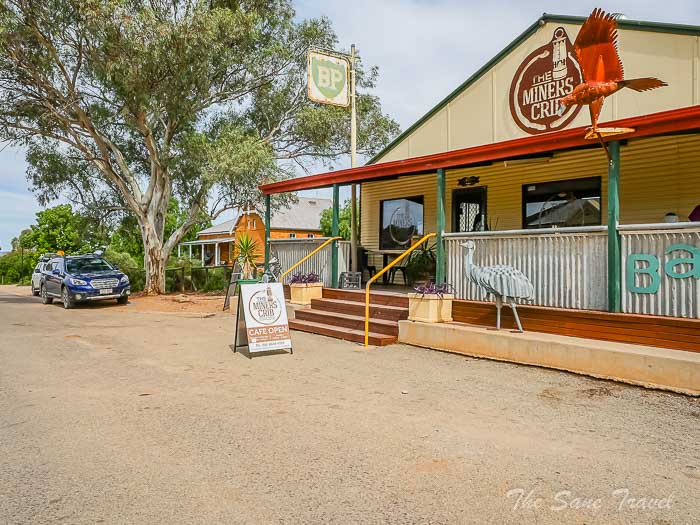
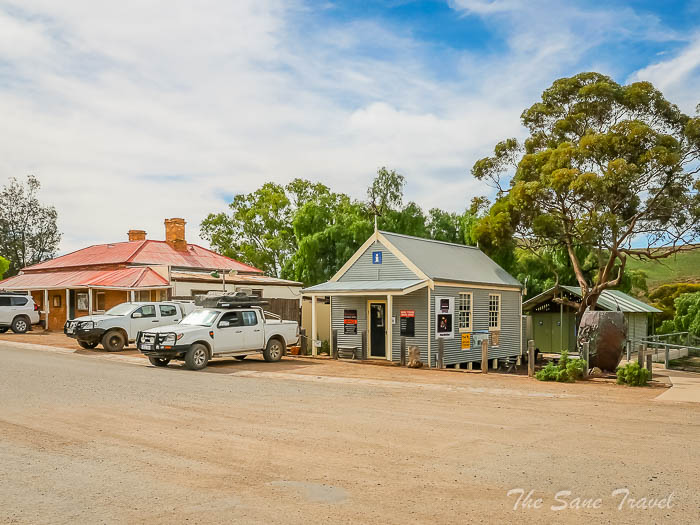 Next, we make our way to Parachilna Gorge.
7. Parachilna Gorge
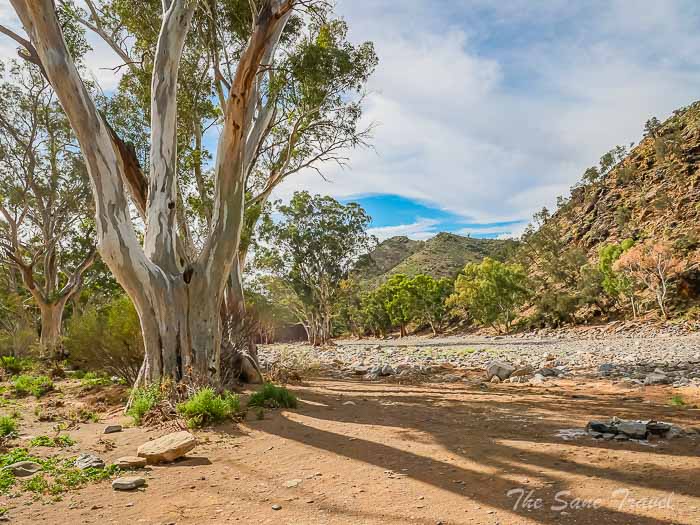
Parachilna Gorge is a stunning natural feature where Parachilna Creek has carved a dramatic, steep, rocky passage through the mountains. Dating back to 1881, this narrow gorge served as the route for drays transporting copper from the Blinman mine to the Parachilna railhead. 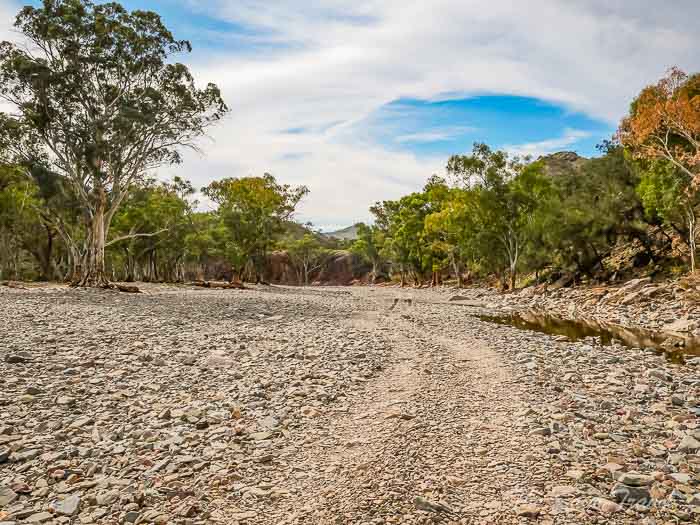
 From there, we turn left onto the Outback Highway and continue driving until we reach the turn-off for Brachina Gorge.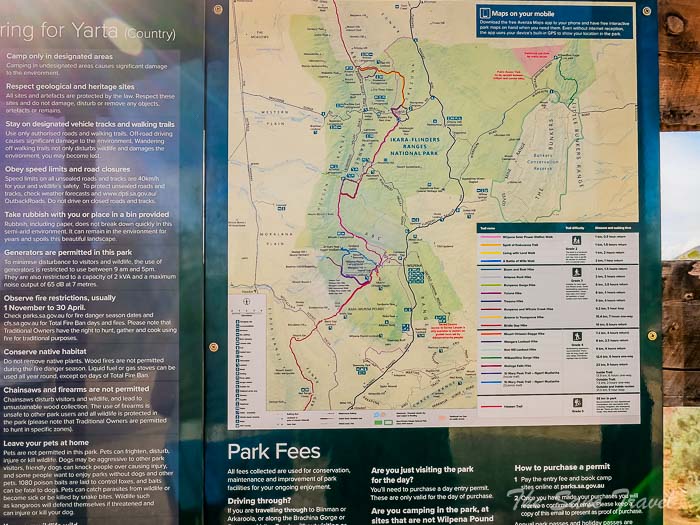
8. Brachina Gorge
Brachina Gorge is a spectacular 20-kilometre-long “Corridor through Time”. The Brachina Gorge Road connects the Flinders Ranges Way with the Outback Highway, offering a self-guided geological driving trail that spans more than 130 million years of Earth’s history.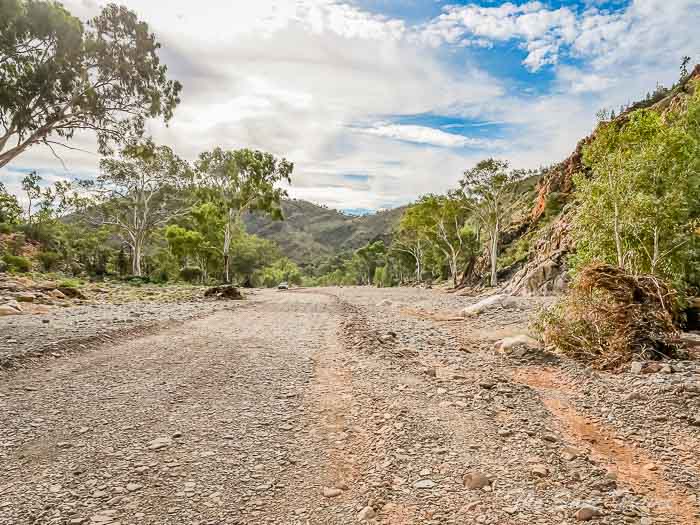
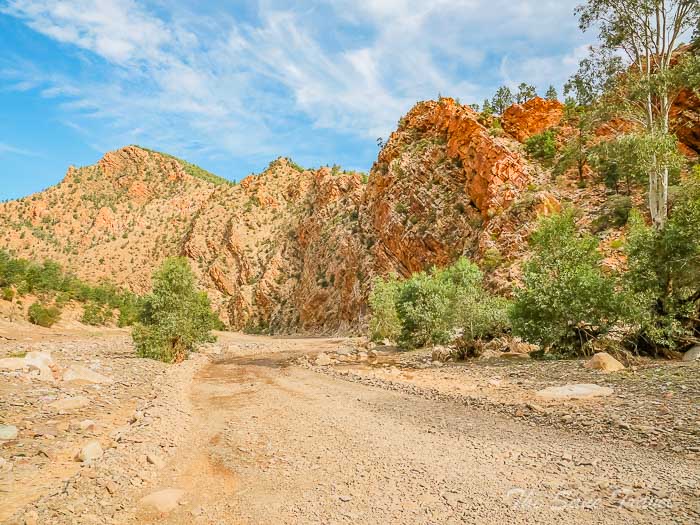
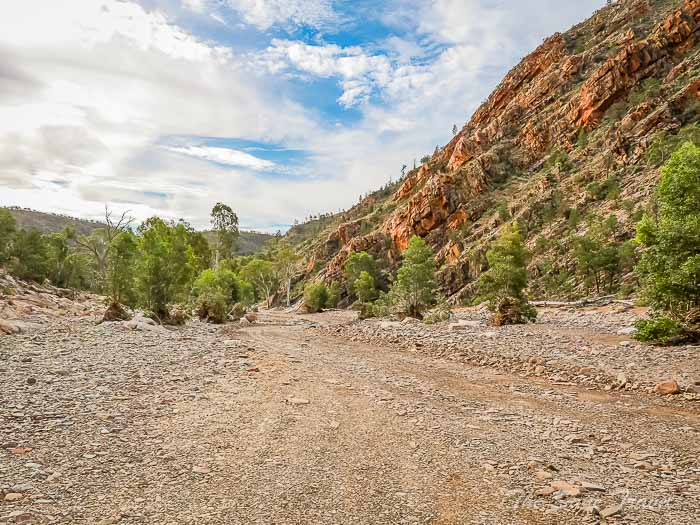
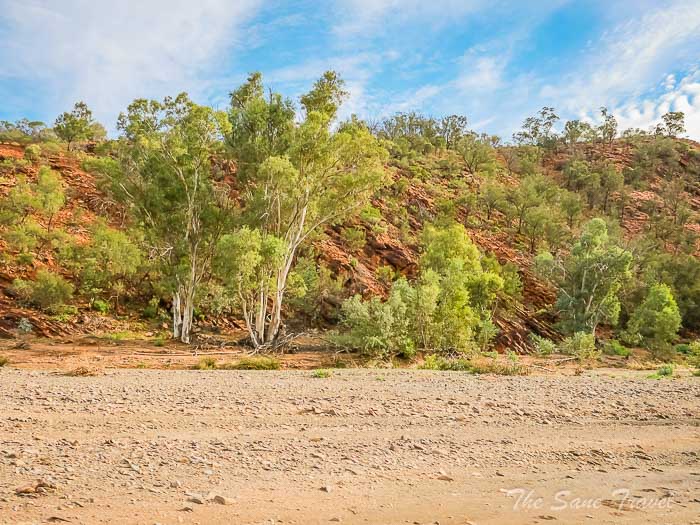
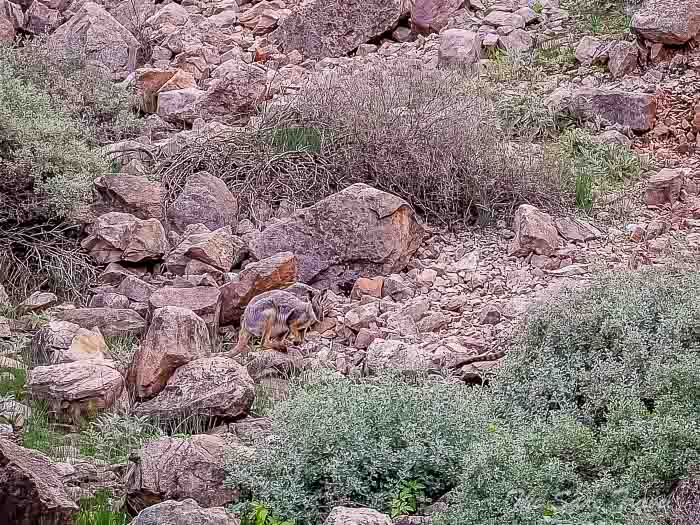
Here, you can discover fossil sites dating from the Ediacaran period and encounter a crucial habitat for the vulnerable yellow-footed rock-wallaby. The scree slopes on the western side of the gorge are particularly famous for these beautiful creatures, so bring your binoculars to spot them basking in the afternoon sun.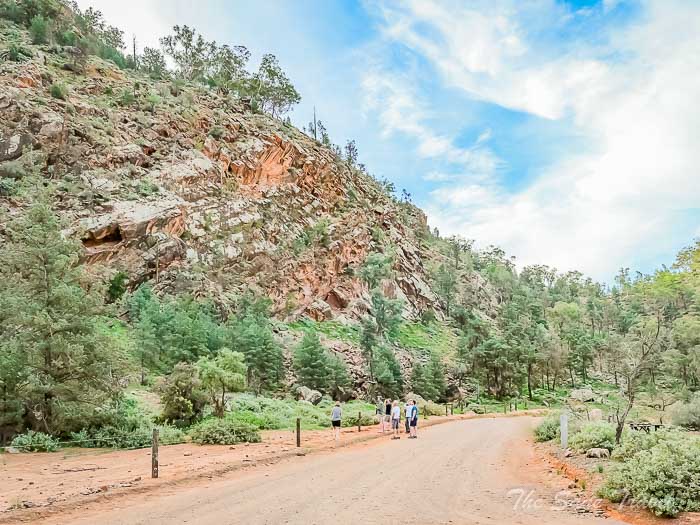
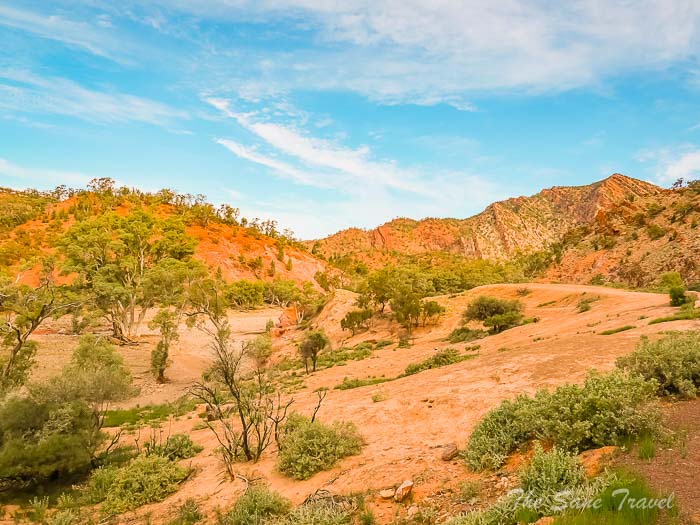
After exploring Brachina Gorge, we head back to the paved road and drive in the direction of Discovery Resorts - Wilpena Pound.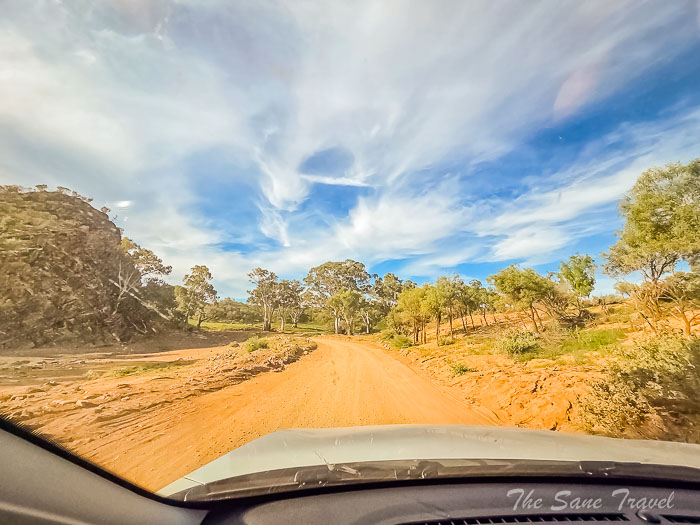
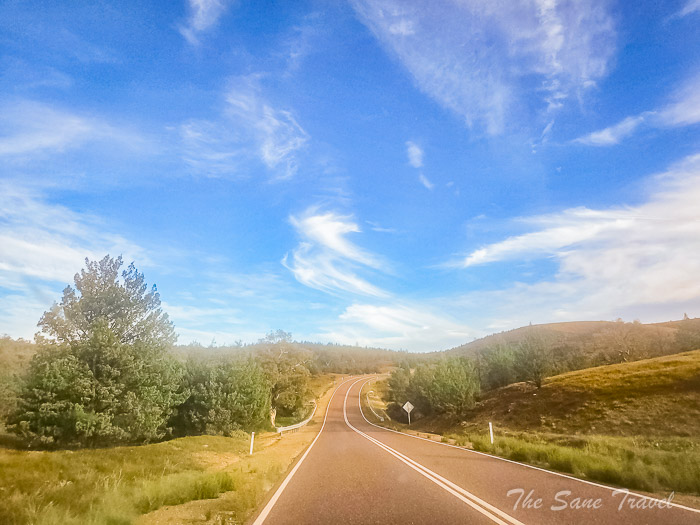 Our next stop is Stokes Hill Lookout.
9. Stokes Hill Lookout
At approximately 739 metres above sea level, the summit of Stokes Hill offers commanding 360-degree views. Once up there, the main road can be seen stretching for several kilometres in either direction. This lookout truly comes alive as golden hour approaches; the way the light sweeps across the hills and undulating plains below is utterly mesmerising. From this vantage point, you can appreciate the vast eastern side of Wilpena Pound, along with views of the surrounding Bunkers Range, Loves Mine Range, Druid Range, and Chance Range.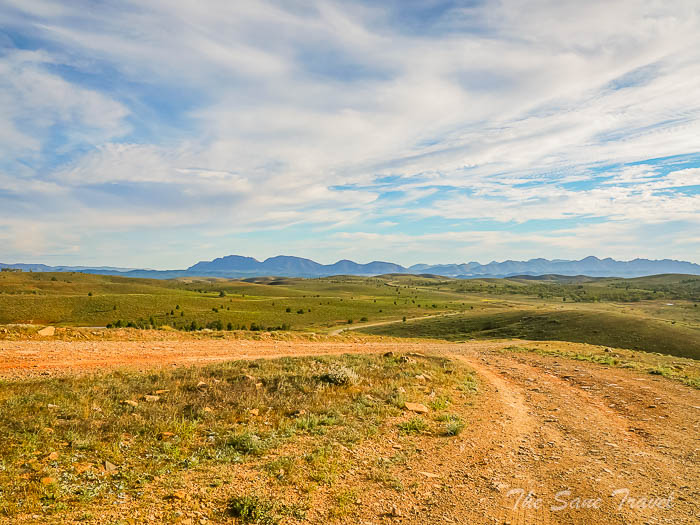
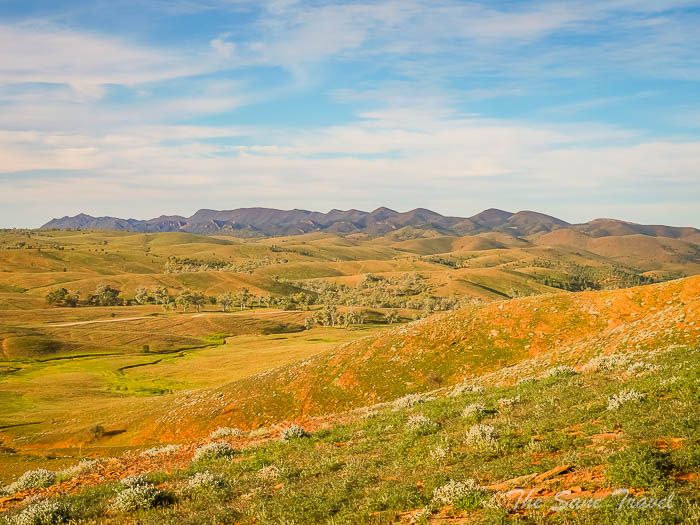 Stokes Hill Lookout is just off the road between Blinman and Wilpena, accessed via a short, steep dirt track to the top.
10. Hucks Lookout
Hucks Lookout is another impressive vantage point in the Central Flinders Ranges, providing a sweeping panorama of the eastern side of Wilpena Pound, with St Mary Peak standing proudly to the right. You can also admire the Heysen Range and the ABC Range, which run roughly parallel and extend towards the north-west. Almost as if by design, two much closer hills symmetrically frame Wilpena Pound, glowing a brilliant shade of red at certain times of the day. Another distinctive feature of Hucks is the foreground slope, which is covered in majestic grass trees (Xanthorrhoea quadrangulata). While grass trees are not uncommon in the Flinders Ranges, it is unusual to see them in such large numbers.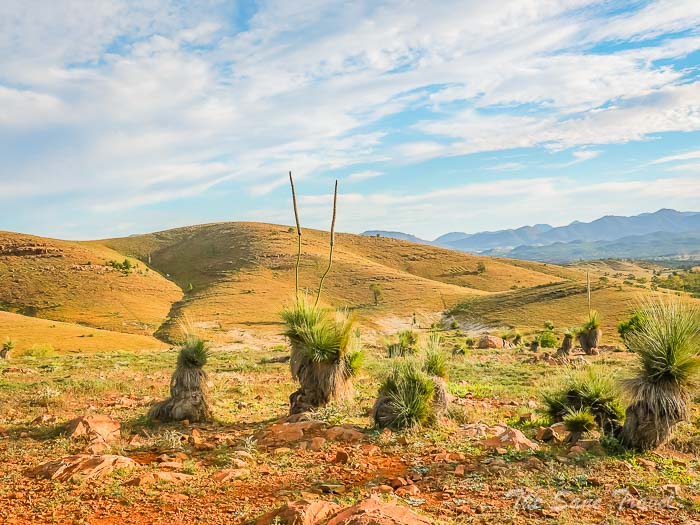
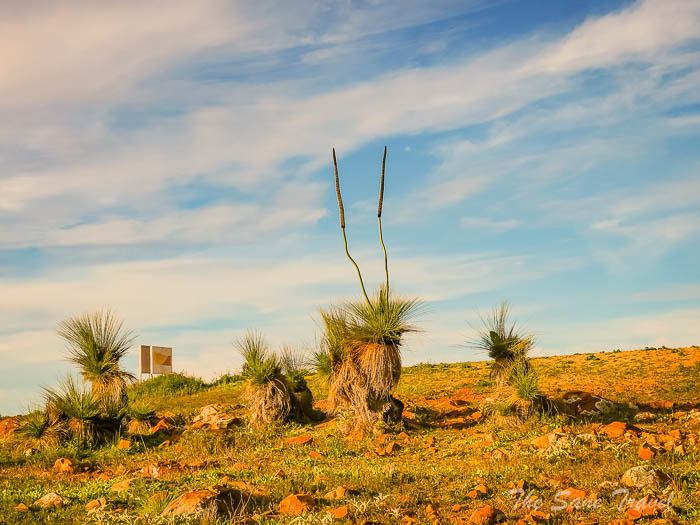
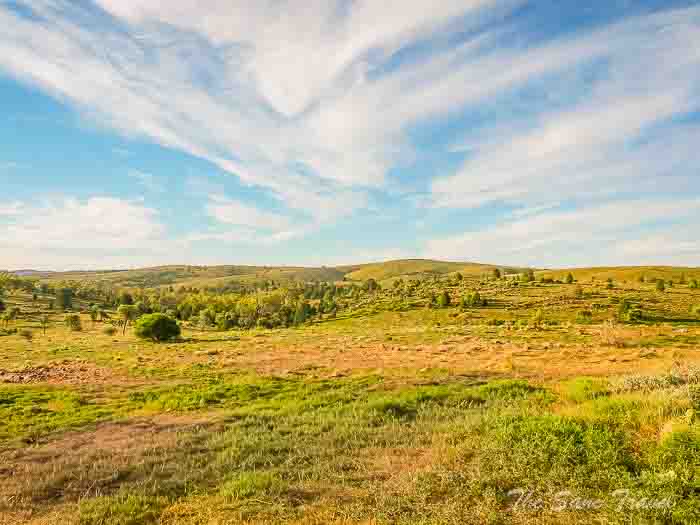
Hucks is located beside the main road between Blinman and Wilpena. When heading south from Blinman, continue past Stokes Hill Lookout for another 10 minutes or so before Hucks comes into view. The dirt access road is only about 100 metres from the paved road and is suitable for all types of vehicles. Finally, we return to Discovery Resorts - Wilpena Pound for a well-deserved overnight stay after an incredible day of exploration.
This is a map of the route you just covered.
Day 3: Morning
After checking out of your resort, you have a couple of options. If time permits, go for a hike near Discovery Resorts - Wilpena Pound, or treat yourself to a scenic flight – an absolute must-do..JPG)
.JPG)
Flights depart from the nearby Wilpena Pound Resort Airstrip.
Take a scenic flight
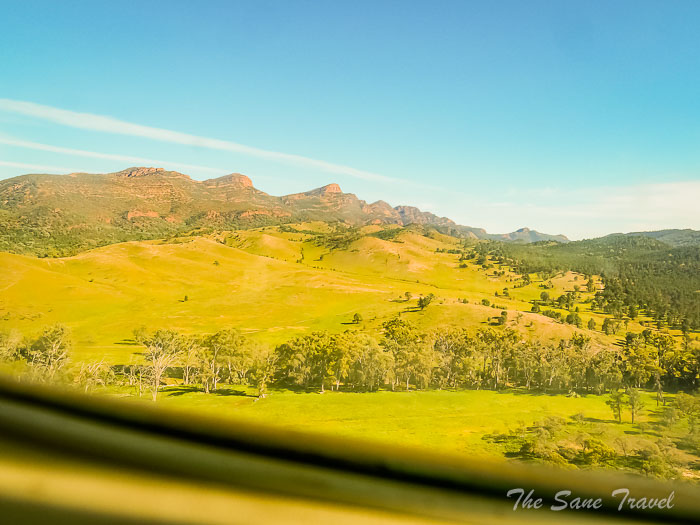
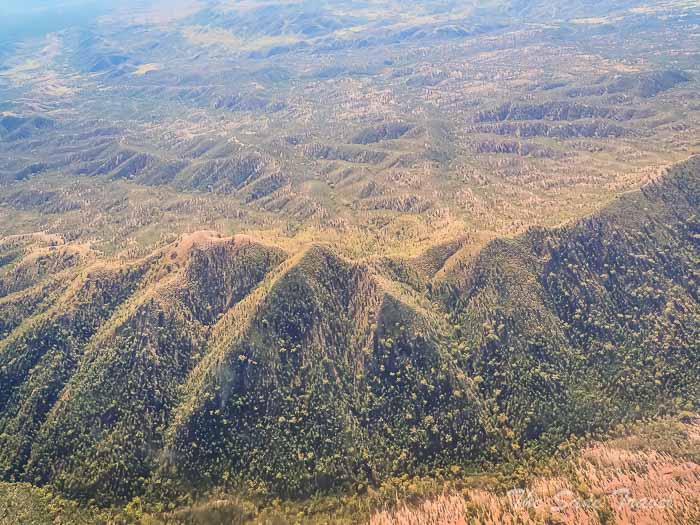
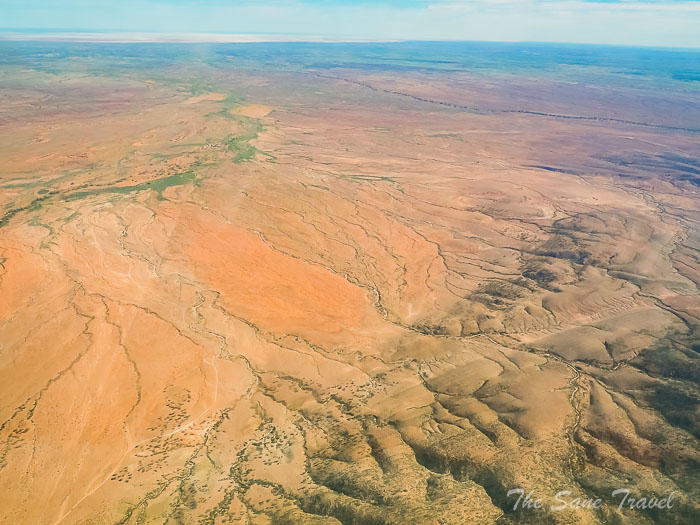
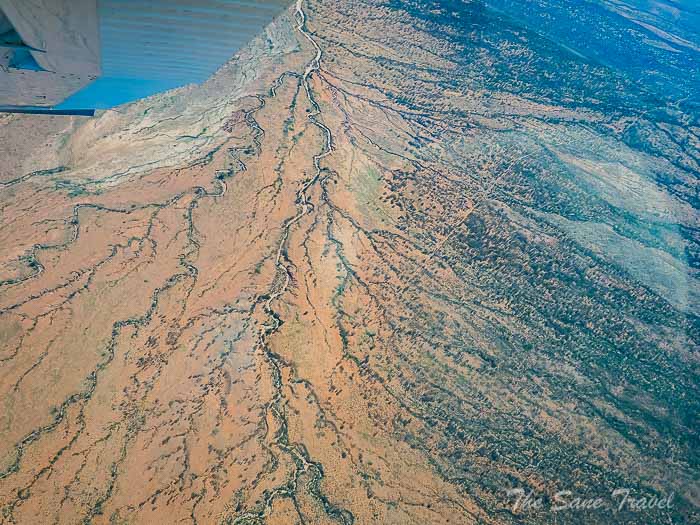
Although exploring the region on foot provides a fantastic perspective, the sheer scale of the Flinders Ranges is best appreciated from above. A short flight offers breathtaking bird's-eye views of Wilpena Pound, while a longer flight takes you deeper into the vast expanse of the Flinders Ranges, revealing magnificent views of the Elder Range, Edeowie Gorge, St Mary Peak, the Heysen Range, and Bunyeroo Gorge. Along the way, engaging commentary brings more than 550 million years of geological history to life, adding depth to an unforgettable experience.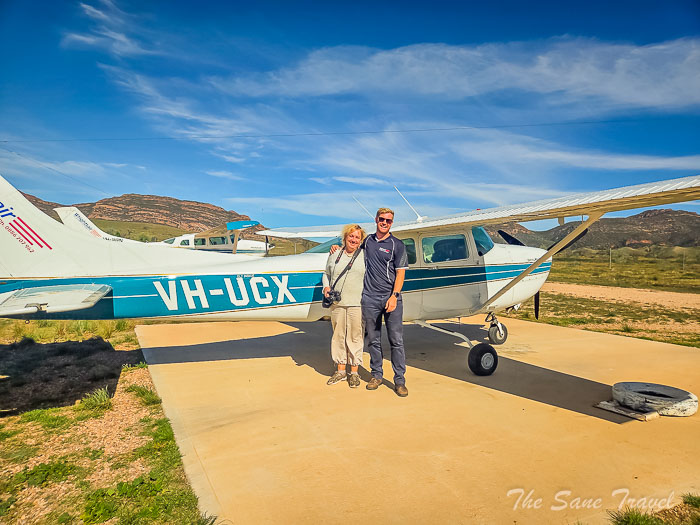
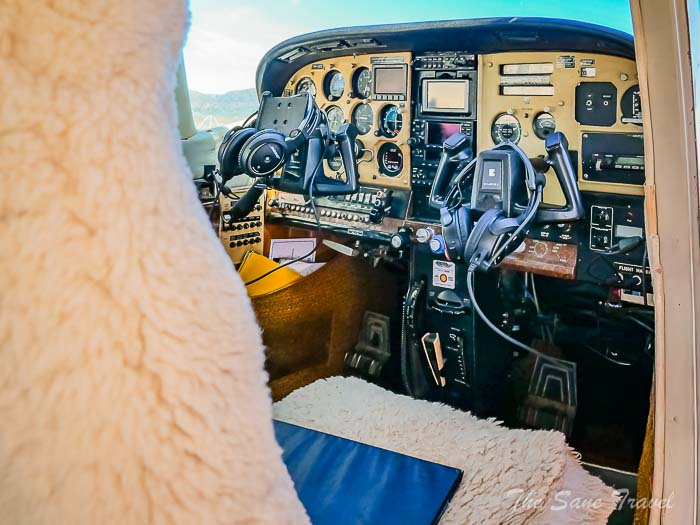
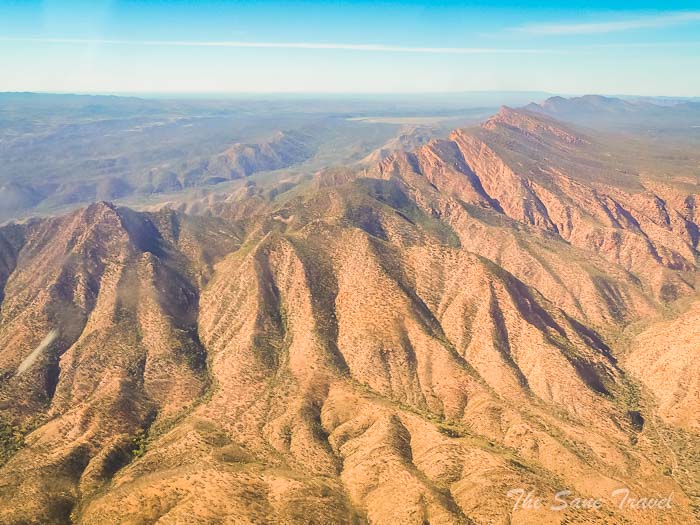
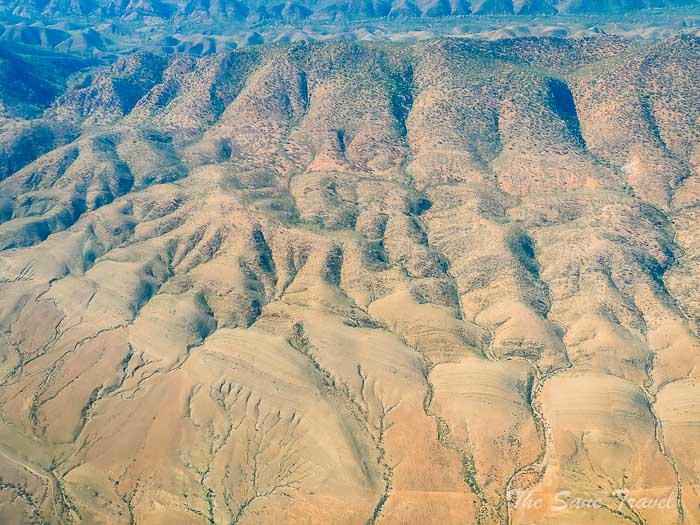
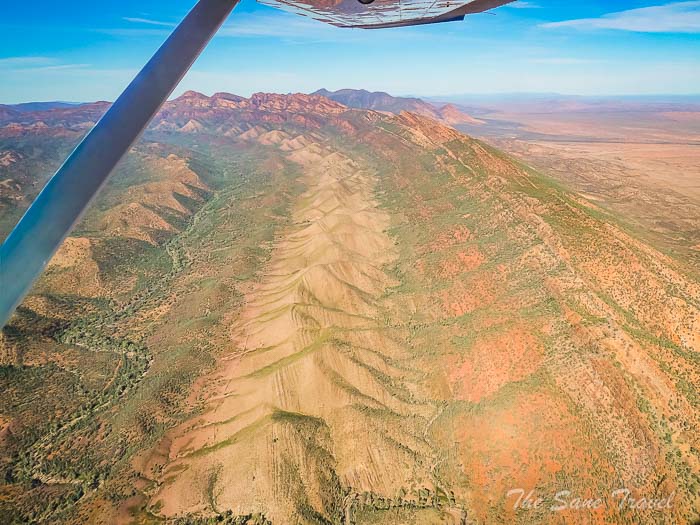
Your visit to Ikara-Flinders Ranges National Park concludes here. Spend the remainder of your day travelling to Quorn, with opportunities to explore the Flinders Ranges along the way.
When to visit
For the best experience at Ikara-Flinders Ranges National Park, plan your visit between April and October. This allows you to avoid the scorching temperatures and unforgiving conditions of the hotter months.
How to prepare for your visit
The Flinders Ranges boast some of Australia’s most thrilling and picturesque outback drives. However, the rugged terrain requires careful preparation and attention to safety. Here are some essential tips for a safe and enjoyable journey:
Road conditions are key: Always check the current dirt road conditions before setting off. Unpaved roads often include numerous dry creek crossings and washouts that can become slippery and impassable after rain.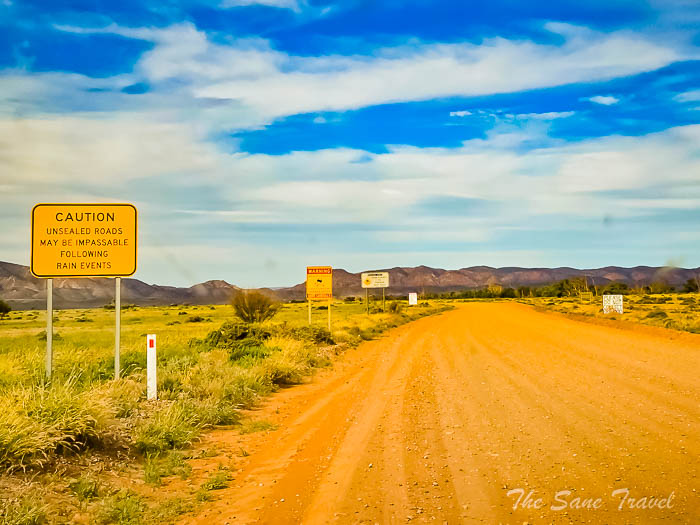
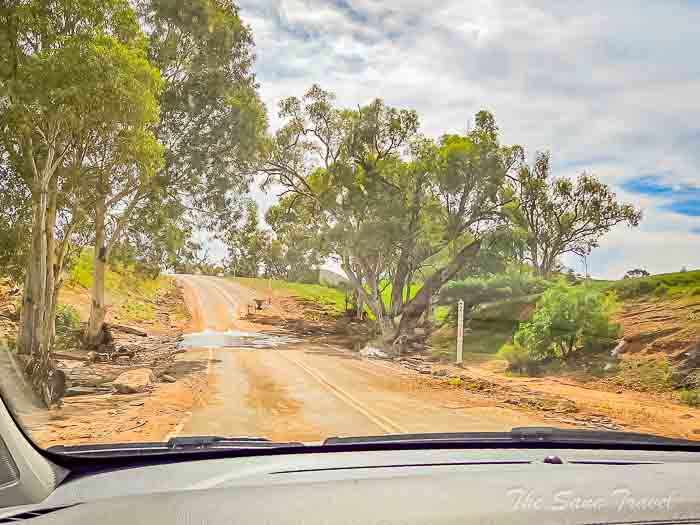
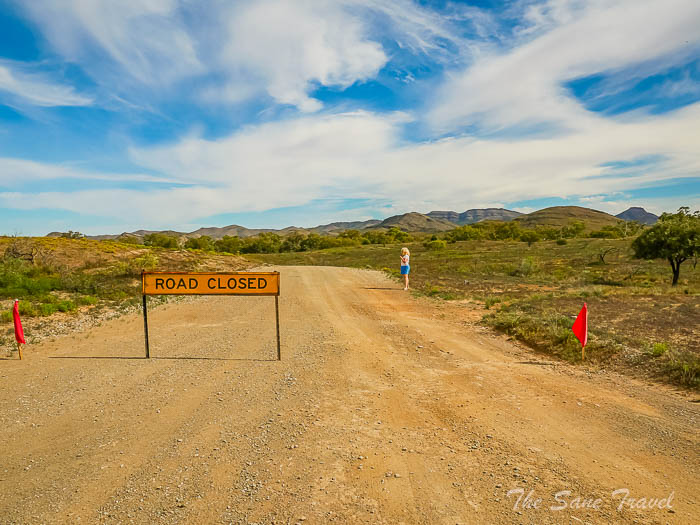
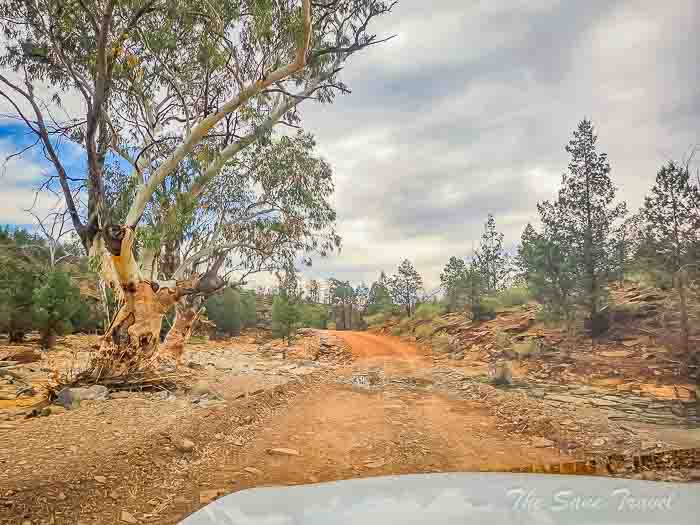
Navigation essentials: Mobile reception can be patchy or unavailable in certain areas. Ensure you have a reliable GPS navigation system or detailed paper maps to help you navigate rugged tracks.
Download the Discover the Flinders Ranges App: This free mobile app is a fantastic resource, offering narrated driving and walking tours, guides to geology, birdlife, and wildflowers, as well as general information and special offers. Remember to download individual tour packages while you still have Wi-Fi or mobile coverage. Once downloaded, the app uses your device’s built-in GPS to track your location on the map in real time and triggers audio alerts as you approach points of interest.
Vehicle choice: While a high-clearance 4WD is often strongly recommended, I was able to navigate the terrain in a front-wheel-drive MG ZS compact SUV with 161 mm of ground clearance. I was fortunate that there was no rain during my travel days, which may have contributed to my success.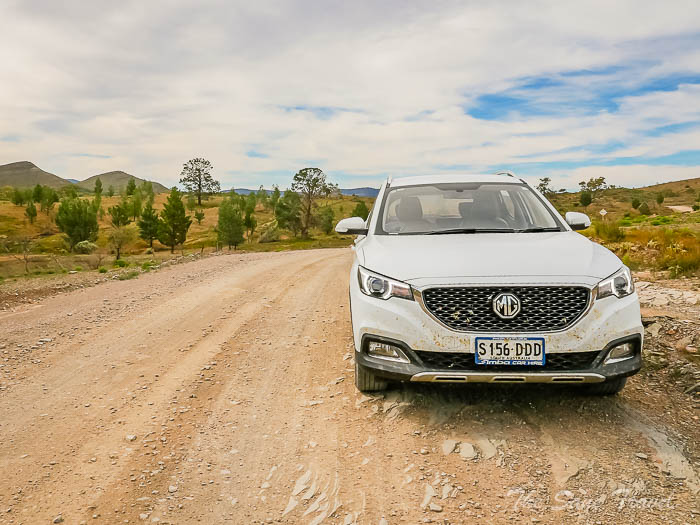
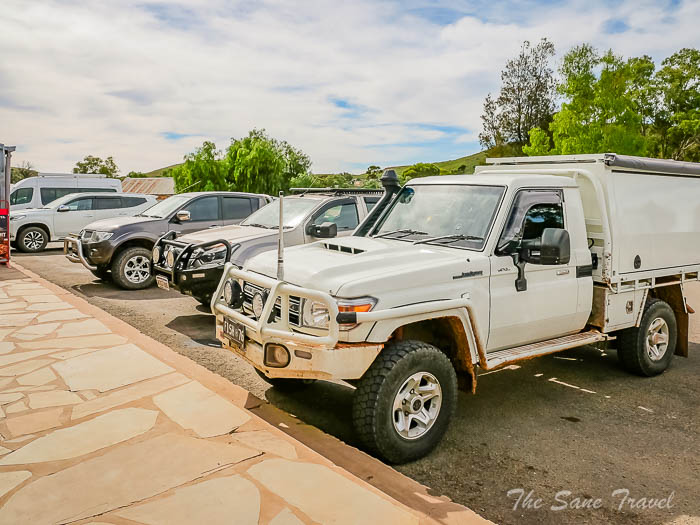 Vehicle preparedness: Ensure your vehicle’s tyres are in excellent condition, with sufficient tread depth and correct pressure. It is also important to carry appropriate recovery equipment, including a tyre repair kit and traction aids. Some of the steeper hills and dry creek beds can challenge even the most capable vehicles.
Permit requirements: All travellers entering Ikara-Flinders Ranges National Park, whether passing through or staying overnight, must purchase a vehicle entry permit. These can be booked online or bought at Discovery Resorts - Wilpena Pound. Permits grant access to all areas of the park, including walking trails. At the time of publication, the day entry fee is $13.50 per vehicle.
What to bring
Sun protection: Sunscreen, a hat, and sunglasses are essential for protecting yourself from the harsh afternoon sun.
Refreshments: Bring plenty of water, snacks, and a picnic lunch to enjoy at the various lookout points along your drive.
Photography & wildlife spotting: Do not forget your camera and binoculars to capture the stunning scenery and spot local wildlife.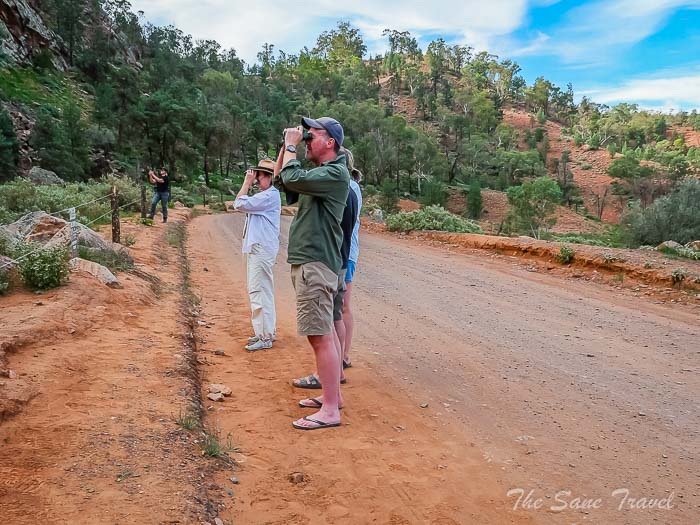
Layered clothing: Pack suitable clothing, including warm layers, for evening or winter visits.
Hiking gear: If you plan to explore the walking trails, sturdy hiking boots are a must.
Final thoughts
I recognise that Ikara-Flinders Ranges National Park truly deserves more time than I allocated in this itinerary. However, as an international traveller, my goal was to experience the very best of South Australia, including Kangaroo Island and Adelaide during my nine-day trip, and this itinerary reflects that.
Like it? Pin it!
What did you think? Have you visited the Flinders Ranges? I would love to hear from you, so please add your comment below.
Author: Anita Sane

About the author
Anita is a part-time traveller, passionate photographer and a retired career woman from Latvia, travelling mostly solo for more than 15 years. She is a skilled travel planner who plans and executes her travels by herself. Anita wants to show you how to travel the world and open your mind to new experiences. Follow her on Facebook, Instagram, Pinterest, Twitter and Bloglovin.
Report
My comments