
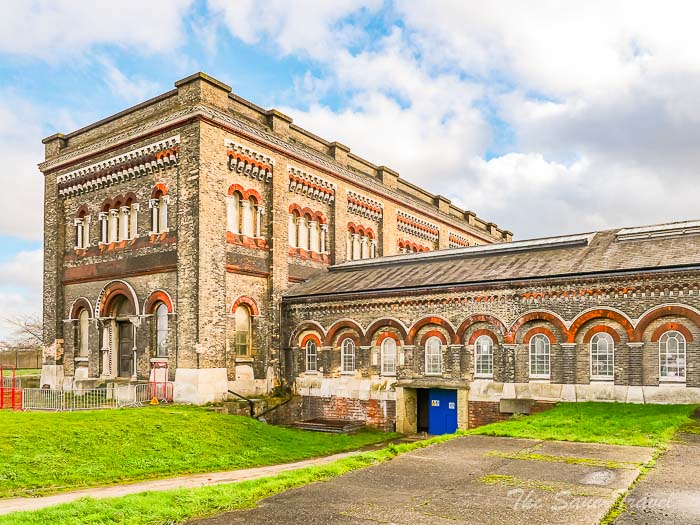
Fancy stepping back in time to explore a hidden gem of Victorian innovation? Look no further than Crossness Pumping Station in London, affectionately known as the “Cathedral of Sewage”. This Grade I listed building, a testament to Sir Joseph Bazalgette’s genius and architect Charles Henry Driver’s vision, is a feast for the eyes, with its stunning Victorian Romanesque style and exquisite ornamental cast-ironwork. Opened in 1865 by Edward, Prince of Wales, Crossness is now a major example of Victorian industrial heritage. Two things in particular make a visit worthwhile: first, the outstanding industrial architecture, and second, the opportunity to explore the marvels of Victorian engineering, including the world’s largest rotative beam engines.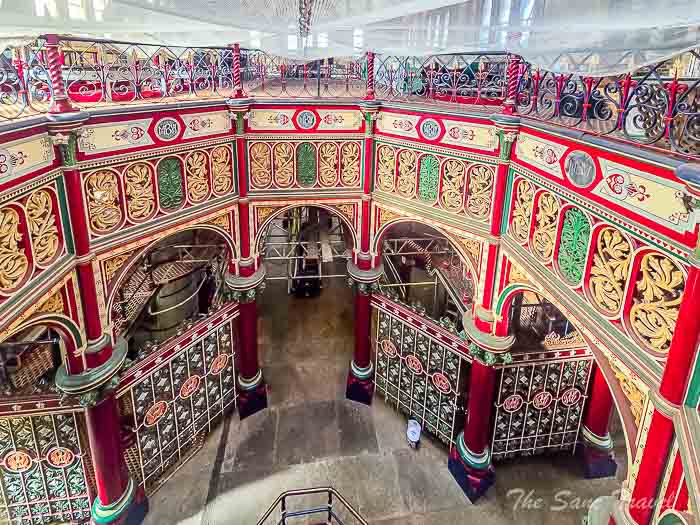
Good to know
In the UK, a building is designated as listed if it is deemed to have special architectural or historic significance and is considered nationally important and worthy of preservation. Grade I listed buildings receive the highest level of protection under the UK listing system, making up just 2.5% of all listed buildings. Such buildings are subject to strict regulations, and any alterations, maintenance, or additions require Listed Building Consent.
Story behind Crossness
Imagine London in the mid-19th century, a city drowning in waste and suffocating in stench. With the population booming to over 2.5 million, the River Thames became a putrid dumping ground, culminating in the infamous “Great Stink” of 1858, when hot weather in July and August intensified the smell of untreated human waste and industrial effluent in the river. A solution came in the form of Joseph Bazalgette, a visionary engineer whose innovative sewer system, completed in 1875, revolutionised urban sanitation. Thanks to places such as Crossness, this historic achievement helped lay the foundations of modern London.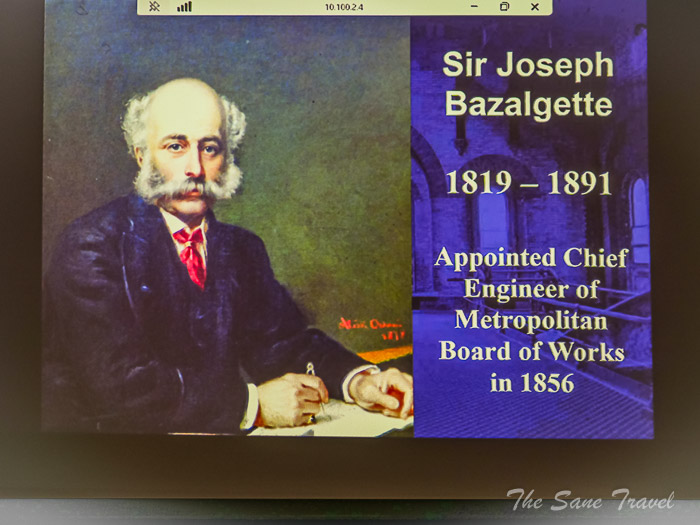
Masterpiece of engineering and art
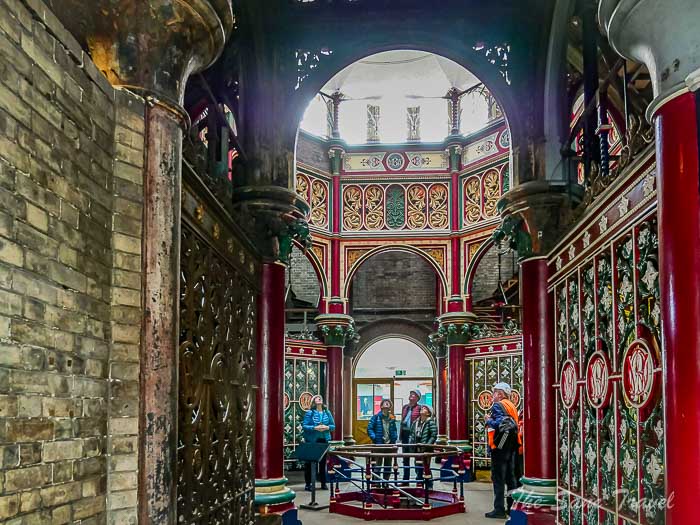
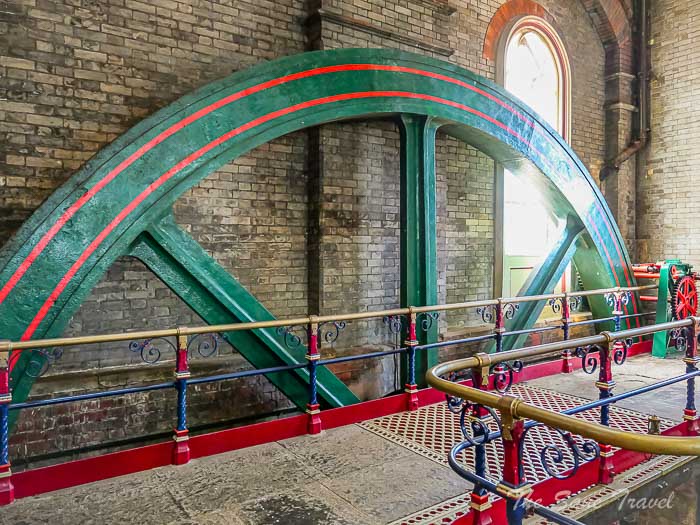
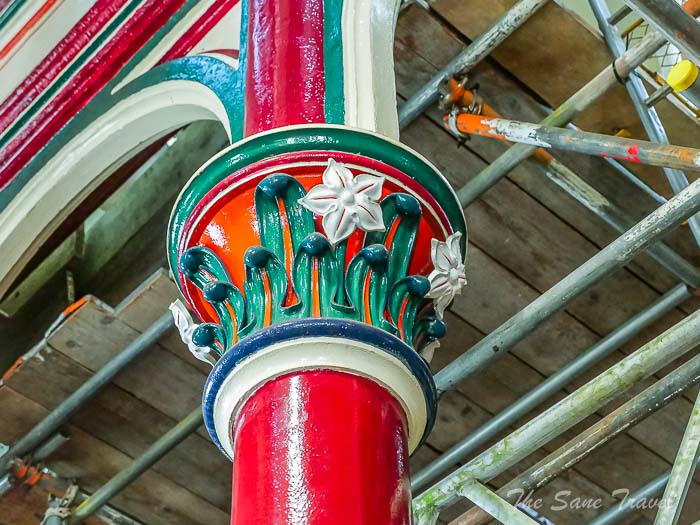
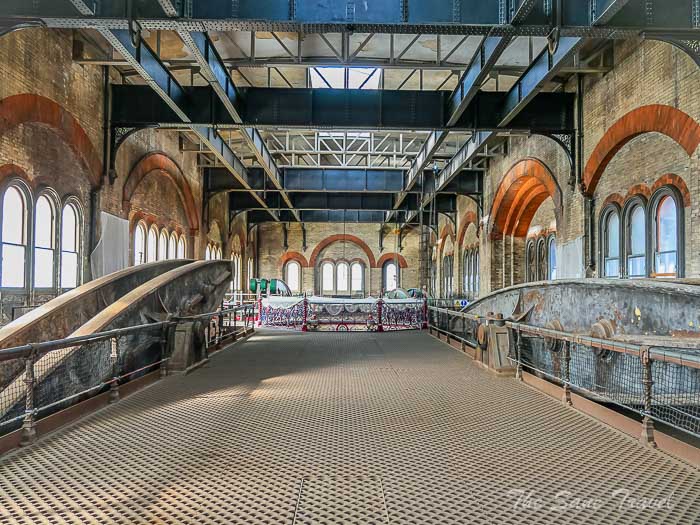
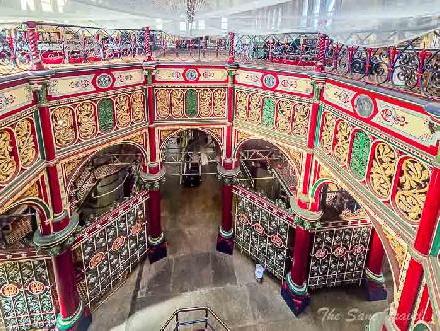
Crossness Pumping Station is more than just a sewage facility – it is a masterpiece. Designed by Sir Joseph Bazalgette and architect Charles Henry Driver, and built by William Webster, this ornate Victorian marvel features elaborate polychrome cast-ironwork and Romanesque styling. The Beam Engine House is particularly breathtaking, with its intricate, colourful cast-iron structures in shades of red, green, and gold. It stands as a testament to the Victorian belief that even the most utilitarian structures could be beautiful. Originally, the station housed four massive rotative beam engines – Victoria, Prince Consort, Albert Edward, and Alexandra – designed to lift sewage into the Thames. Today, many of these engines and buildings have been lovingly restored, including the Prince Consort engine, which operates on designated “Steaming Days”.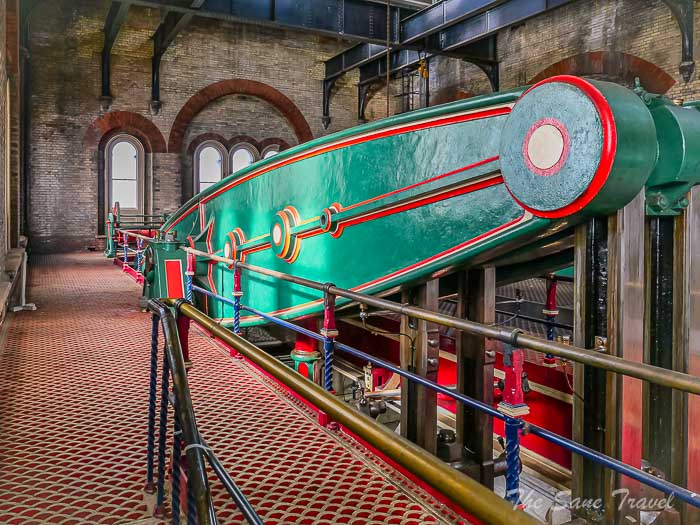
Meet the Engines Trust
The site is owned by Thames Water Utilities and leased to The Crossness Engines Trust, a dedicated group of volunteers who have painstakingly restored the steam engines and created an exhibition titled The Great Stink. This fascinating display documents Bazalgette’s work in solving London’s public health crisis, coordinating new sewers with the existing system, and installing steam-driven pumps to divert sewage from the capital.
Architectural delights
Architect Driver incorporated vibrant brickwork and ornate cast-iron elements, typically used to attract railway passengers, into the design of a sewage pumping station. The station features red brick arches, relieving arches, and intricate corbel tables reminiscent of those at Denmark Hill train station. The chimney design was influenced by a pattern book by Robert Rawlinson. Inside, cast-iron columns, wrought-iron beams, and decorative ironwork demonstrate the station’s predominant use of iron. The central space is enclosed by a painted cast-iron screen. 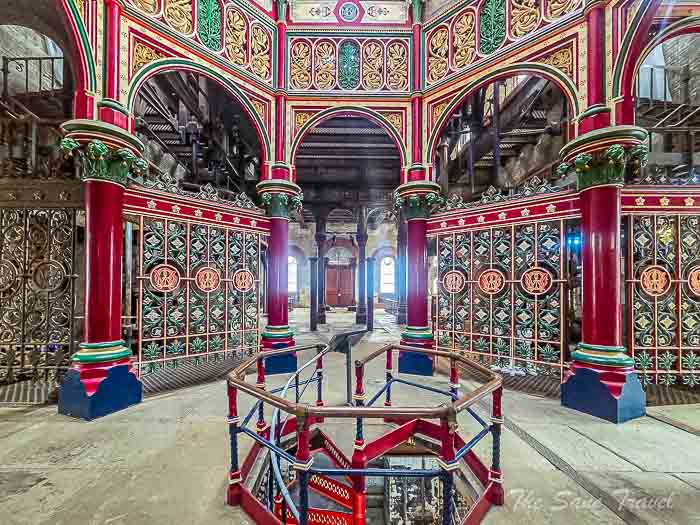 Commentators likened the station to a religious building, reflecting Driver’s intention for it to have a significant social impact. The station was inaugurated by the Prince of Wales, who had two sewage pumping engines named after him and his family.
Planning your visit
Important: All visits to the Pumping Station must be booked in advance. Visit the Crossness Pumping Station website to book tickets for “Steaming Days” or guided tours, available on Tuesdays and Sundays.
Getting there
Location: Bazalgette Way in Abbey Wood, SE2 9AQ. The nearest underground station is Abbey Wood on the Elizabeth line. Google Maps suggests taking a bus for two stops, followed by a walk to the end of Bazalgette Way. Alternatively, Abbey Wood Taxis, located at 18 Wilton Road (Tel: 020 8311 1199), can drop you off at the end of Bazalgette Way near the Thames Water access road if you prefer to avoid the long walk. Uber may also be a viable option. From there, you can easily find the RANG railway stop and take a short train ride to Crossness Pumping Station.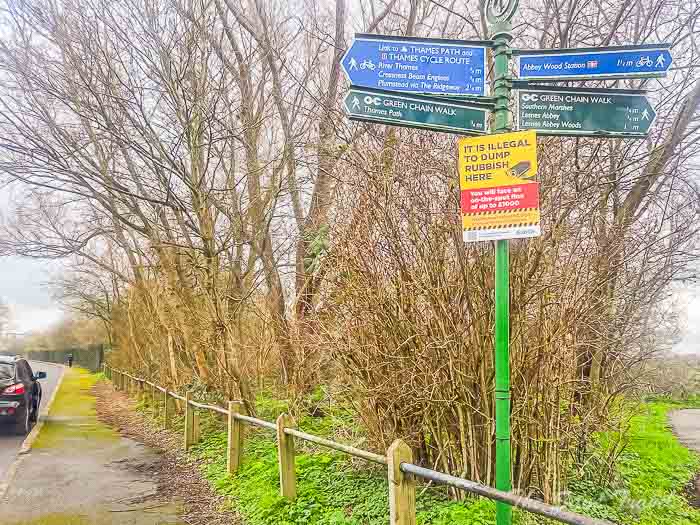
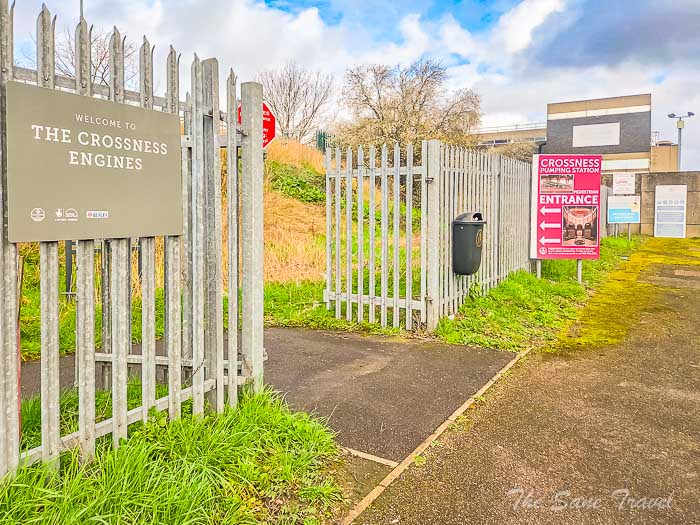
All aboard the RANG railway!
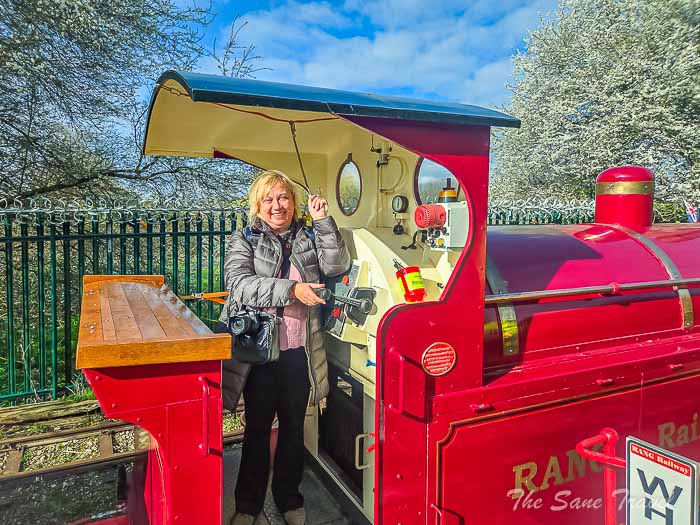
The Royal Arsenal Narrow Gauge (RANG) railway offers a unique way to reach the “Cathedral on the Marsh”. Volunteers from the Crossness Engines Trust have been working tirelessly to build this new narrow-gauge railway, restoring part of the original 1860 contractors’ line. Hop aboard the fully restored Severn Lamb diesel locomotive, Busy Basil (now renamed Bazalgette), and enjoy a scenic ride to this remarkable example of Victorian engineering.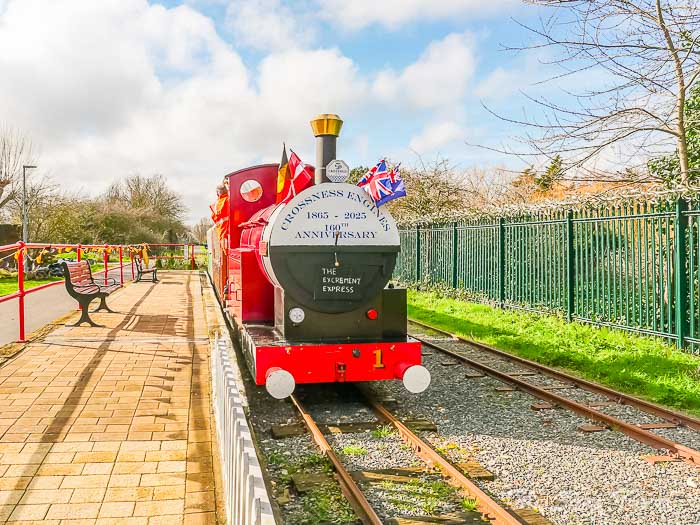
Inside Crossness
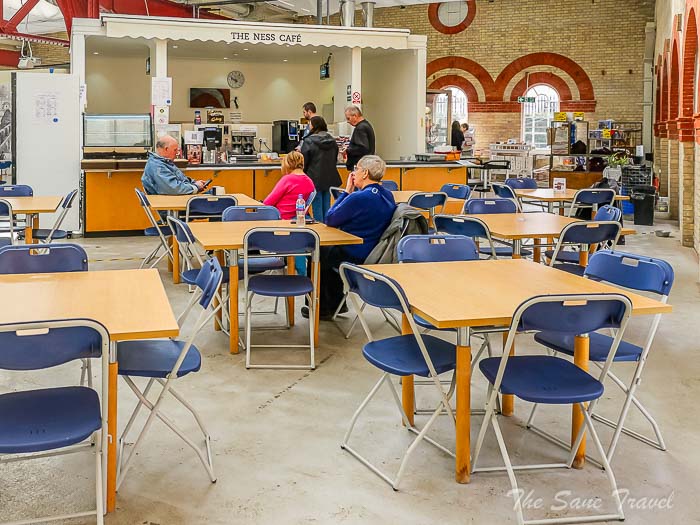
Upon arrival, guests are welcomed by a café and an exhibit that delves into the history of Crossness, the infamous “Great Stink”, and the sanitation challenges London faced. 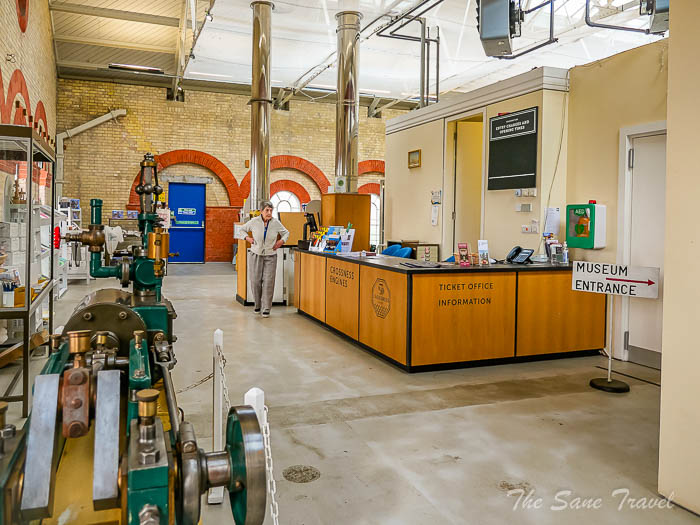
 The display showcases a variety of Victorian toilets and sanitary fixtures, illustrating how hygiene was practised in the 19th century.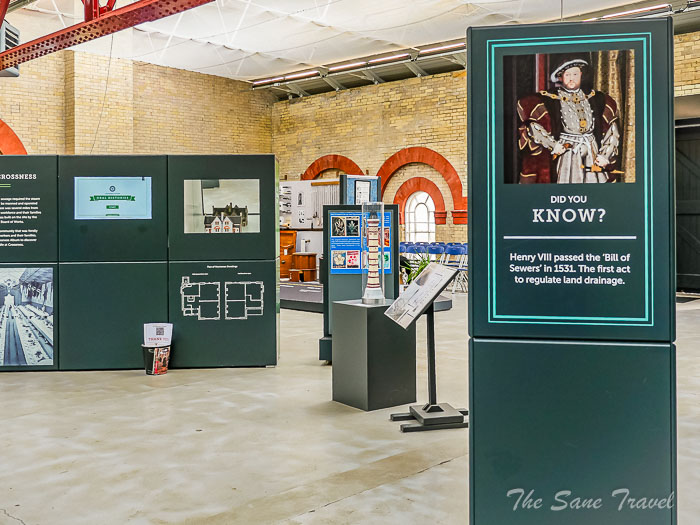
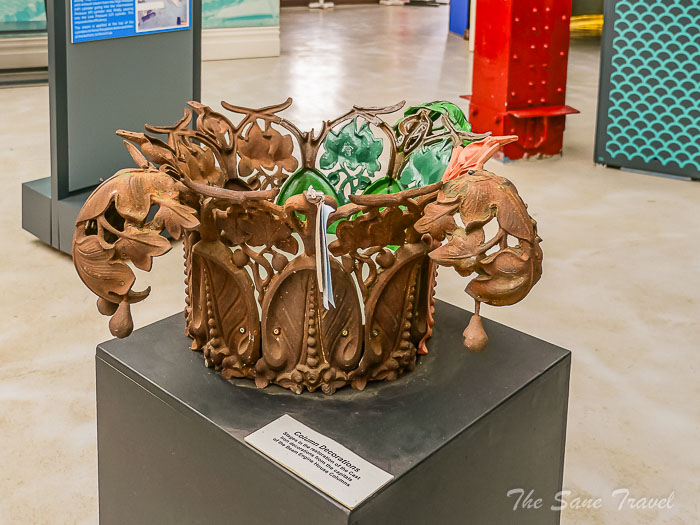
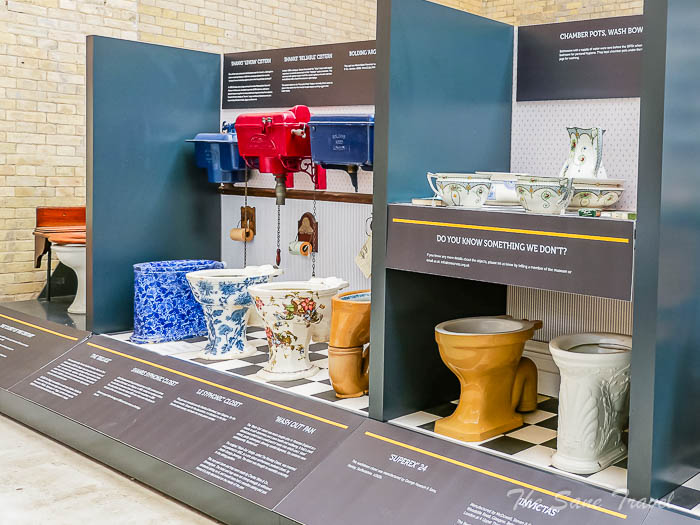 The tour begins with a presentation on the history of the “Great Stink” and the construction of London’s new sewage system, including the Crossness Pumping Station. Visitors then explore the museum and the Beam Engine House, a highlight of the station known for its exceptional Victorian ironwork. The house contains four beam engines, each named after a prominent member of the Victorian Royal Family, with volunteers from the Crossness Engines Trust actively involved in their restoration. The building’s intricate decorative art is particularly striking, given its originally utilitarian purpose.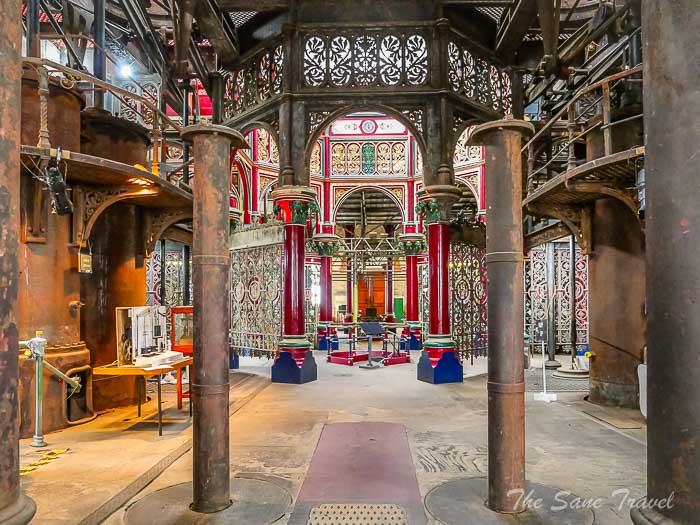
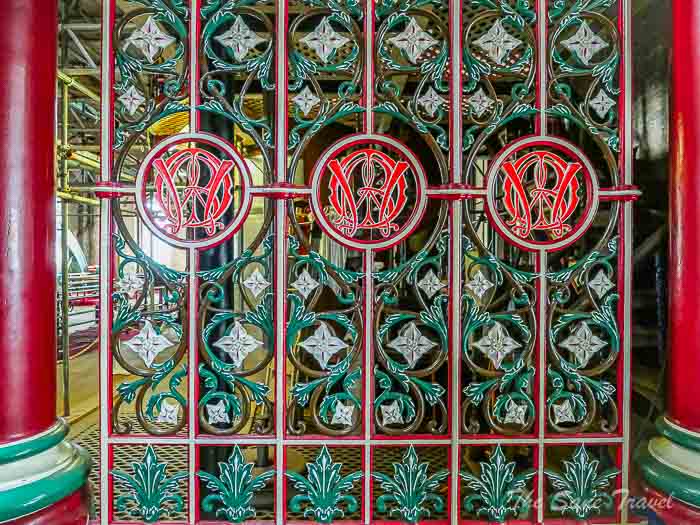
 Throughout the tour, guests also learn about the daily life and responsibilities of the station’s workforce and their families, who formed a self-sufficient community complete with schooling for children and communal events held in a park built over a reservoir. The next building we visited was the Fitting House.
Fitting House
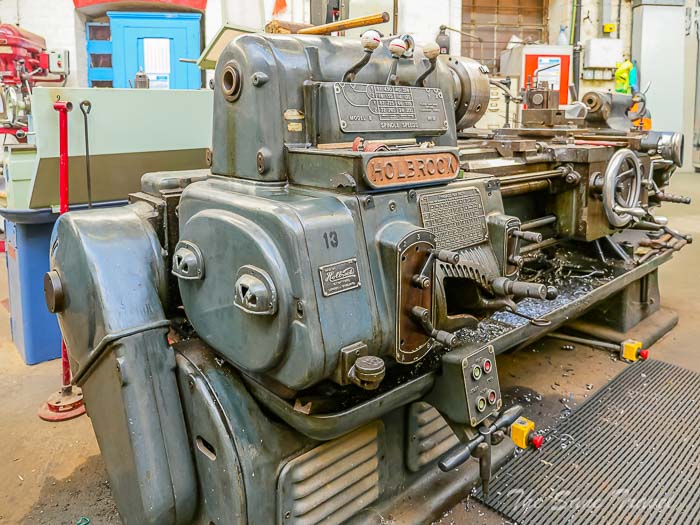
The Fitting House originally functioned as a machine shop. The building still houses a variety of vintage metalworking tools, including lathes and presses, which showcase the skill and precision required to maintain the station’s machinery. This building was also the site of Crossness’s grand opening ceremony in 1865, with the Prince of Wales in attendance.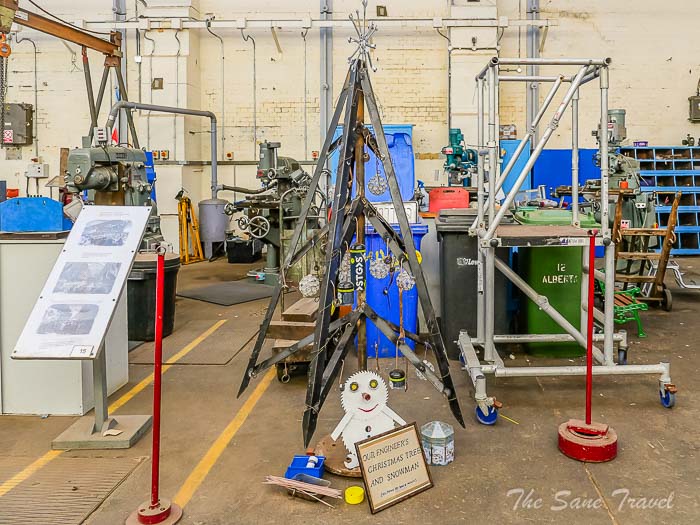
The tour’s final stop was the Valve House, where one of the volunteers demonstrated several pumps.
Valve House
At one end of the complex lies the Valve House, now converted into an exhibition space. Visitors can view a range of historical steam engines and other displays related to the station’s history. 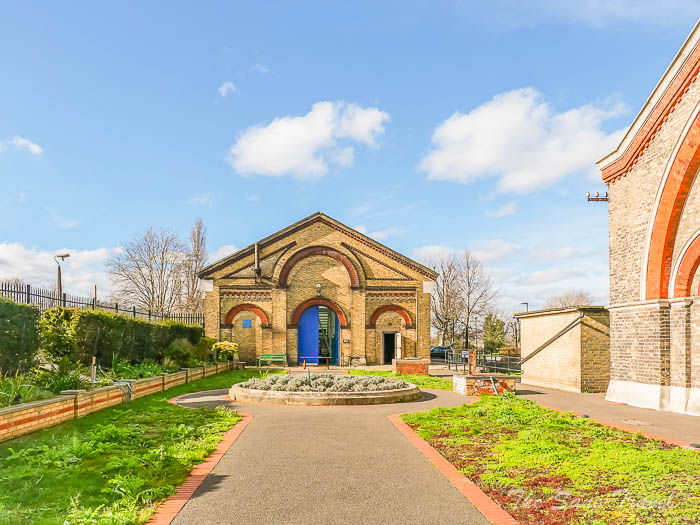
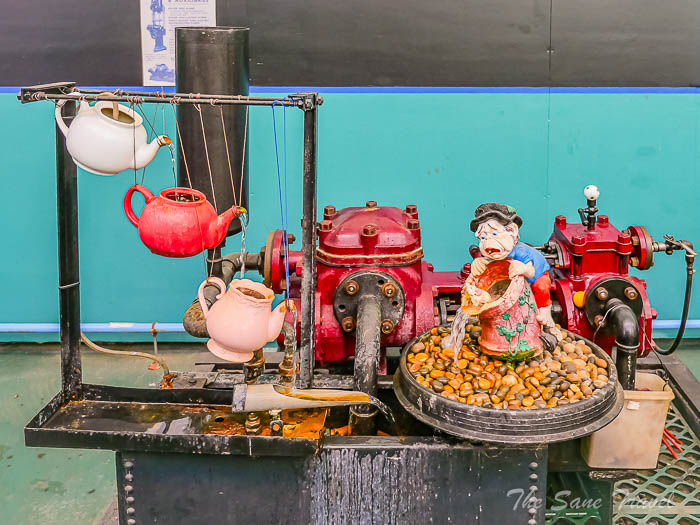 One of the key attractions here is a quarter flywheel mould, used to cast the massive flywheels in the Beam Engine House.
Lost chimney
Sadly, the original 64-metre Italianate chimney, completed in 1865, was demolished in 1958 due to safety reasons.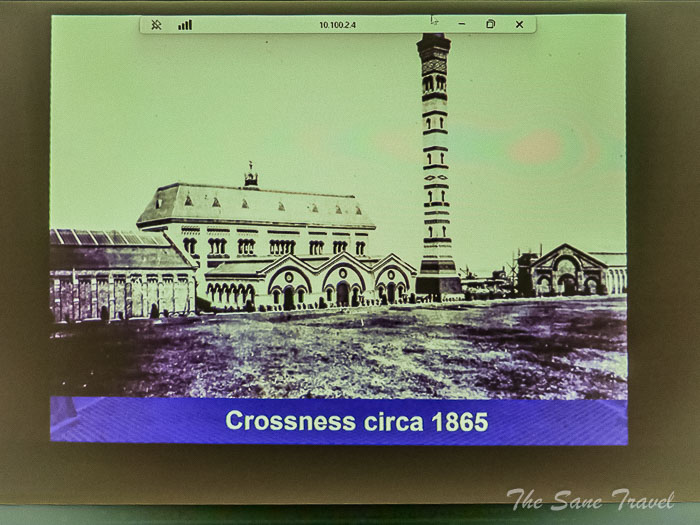
Extend your Victorian adventure
If you are captivated by Victorian engineering, consider visiting Abbey Mills Pumping Station, another masterpiece designed by Bazalgette and Driver. This station lifts sewage into the Northern Outfall Sewer and the Lee Tunnel. While visits are rare, it is worth checking for opportunities to explore this stunning example of Victorian architecture.
Address: Abbey Lane, Stratford, London, E15 2RW
So, are you ready to delve into the fascinating world of Victorian engineering and uncover the secrets of London’s “Cathedral of Sewage”? Book your visit to Crossness Pumping Station today and prepare to be amazed!
Like it? Pin it! 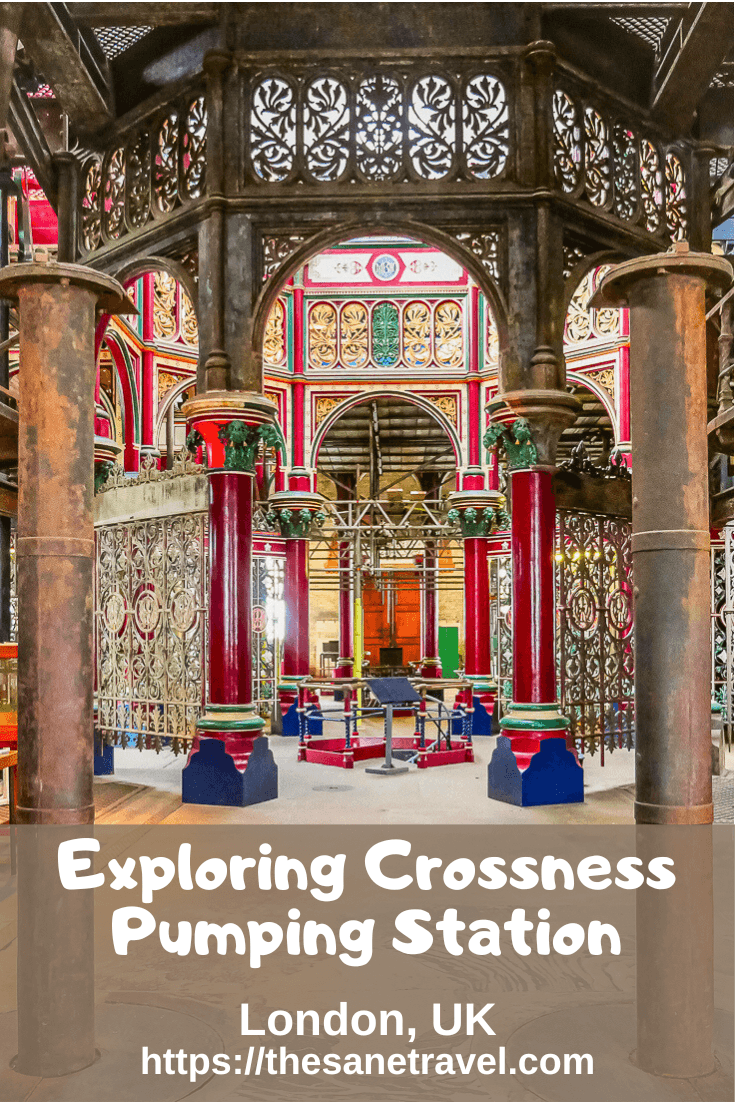
What did you think? Have you been to Crossness? I would love to hear from you, so please add your comment below.
Author: Anita Sane

About the author
Anita is a part-time traveller, passionate photographer and a retired career woman from Latvia, travelling mostly solo for more than 15 years. She is a skilled travel planner who plans and executes her travels by herself. Anita wants to show you how to travel the world and open your mind to new experiences. Follow her on Facebook, Instagram, Pinterest, Twitter and Bloglovin.


Report
My comments